Prosthodontist-planned · Fixed in weeks, no surgery · Two clinics in Coimbatore
Dental Bridges in Coimbatore
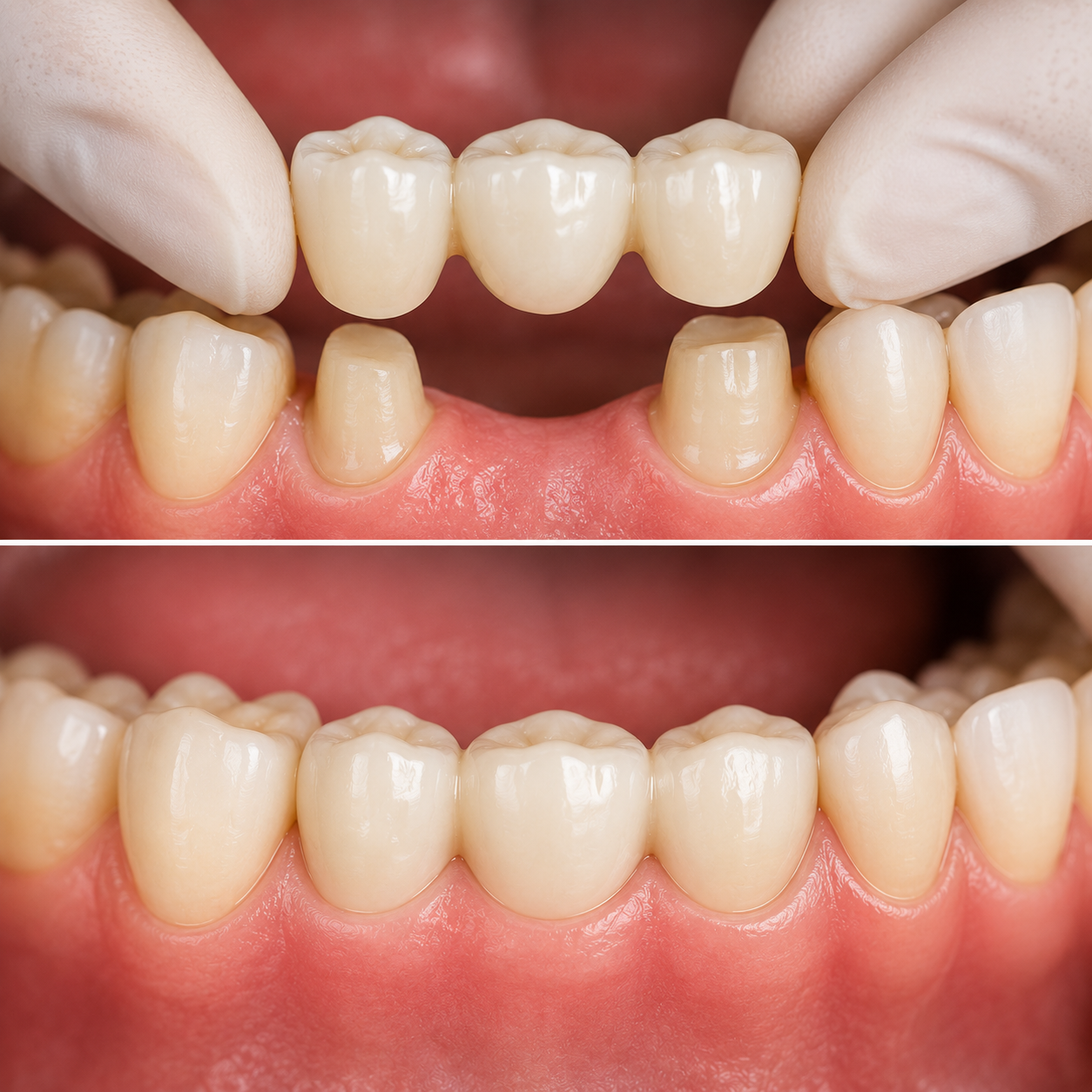
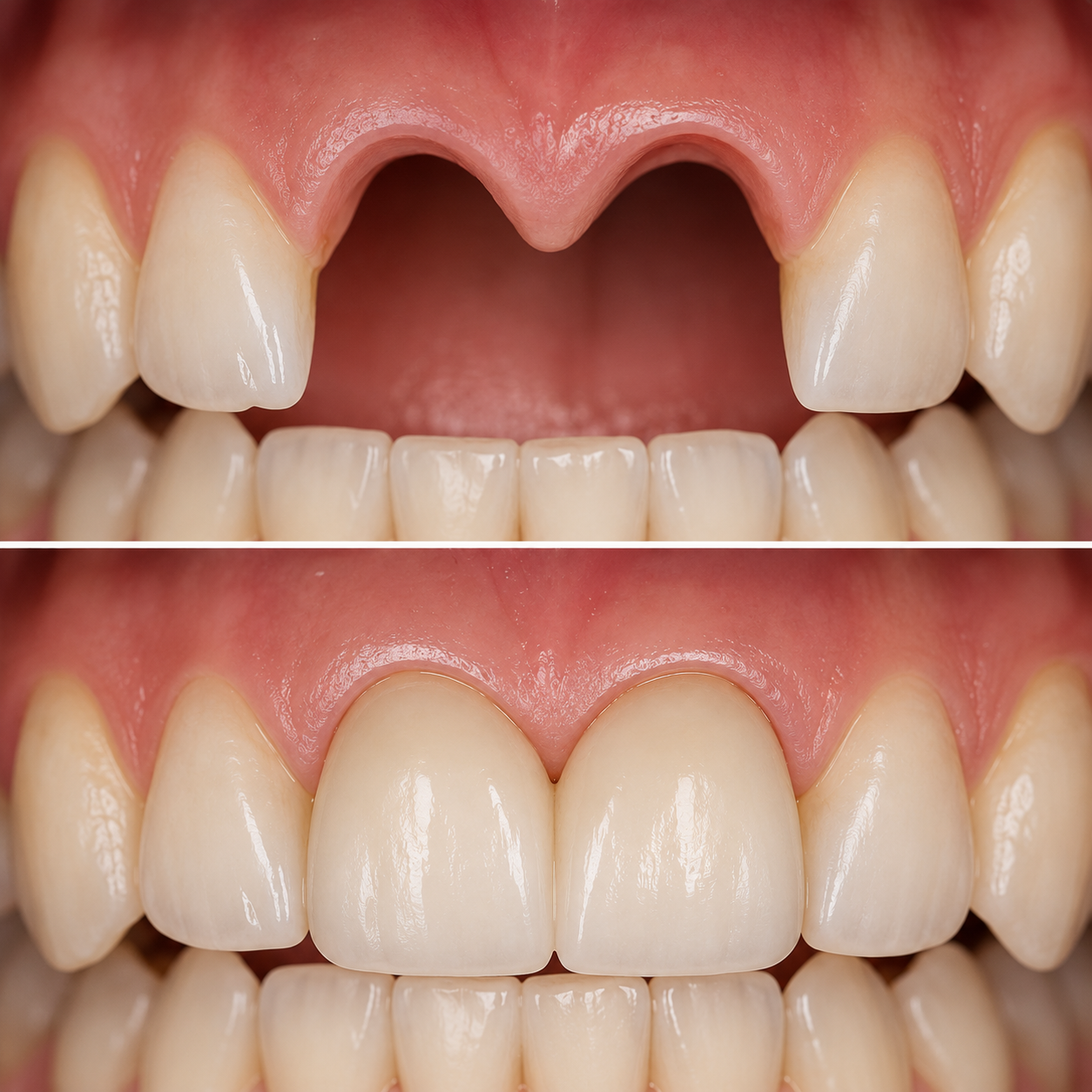
A gap where a tooth used to be changes more than your smile — it shifts how you chew, how you speak, and how the neighbouring teeth sit over time. A dental bridge — a tooth bridge — closes that gap with a fixed, natural-looking replacement that stays in place, so you can eat and talk normally again without taking anything in and out. It is the right choice when you have lost one or a few teeth in a row and still have healthy teeth beside the gap to anchor it — and it gets you there in weeks, without surgery. At Arasu Dental Care your bridge is planned by Dr. Ashwin Kumar, MDS — our prosthodontist, whose speciality is precisely this kind of restoration, with over 12 years' experience including full-mouth reconstruction work.
Closing The Gap
Everything about dental bridges
Right For You?
Is a dental bridge right for you?
A bridge suits specific situations. You are likely a good candidate if any of these describe you:
- You are missing one tooth, or a few teeth in a row
- The teeth on either side of the gap are healthy and strong enough to support the bridge
- You want a fixed solution that is quicker than an implant, without surgery
- You cannot have implant surgery, or lack the jawbone for an implant without extra procedures
Most gaps we treat come from tooth decay or gum disease — the two most common reasons people in India lose teeth. Whatever caused yours, the first step is the same: a proper look at the gap and the teeth around it, so the plan fits your mouth rather than a template.
Types Of Bridge
Which type of bridge fits your gap?
There is no single kind of bridge — the right one depends on where the gap is and what teeth surround it. These are the four we work with.
| Type of bridge | How it works | Often suited to |
|---|---|---|
| Traditional fixed bridge | A replacement tooth (the pontic) held by tooth caps (crowns) on the teeth either side of the gap | A gap with healthy teeth on both sides |
| Cantilever bridge | Supported by a cap on one side of the gap only | A gap with a healthy tooth on just one side |
| Maryland (resin-bonded) bridge | Bonded with a thin wing; minimal reshaping of the neighbours | Front teeth, when a conservative option fits |
| Implant-supported bridge | Anchored on dental implants instead of natural teeth | Larger gaps, or to avoid reshaping healthy teeth |
The Process
What happens when you get a bridge at Arasu
Two to three visits over a couple of weeks, start to finish. If a supporting tooth needs a filling or root canal first, we handle it in-house before the bridge goes on.
Assessment & digital scan
We check the gap and the supporting teeth, and take scans or impressions. If a supporting tooth needs treatment first — a filling or a root canal — we handle that in-house before the bridge goes on.
Preparing the anchor teeth
We reshape the supporting teeth under local anaesthesia and fit a temporary bridge while your custom one is made in the lab. Most patients find this feels much like having a filling — pressure, not pain.
Fitting
Your bridge returns from the lab; we check the fit against the gum and your bite precisely, then cement it in place. Any tenderness usually settles within a day or two.
Bridge vs Implant
Dental bridge vs implant — the honest trade-offs
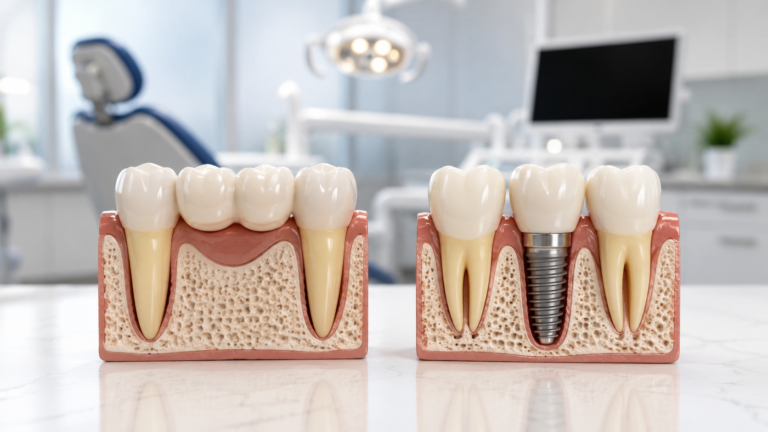
A bridge is a reliable way to replace a missing tooth, but you deserve the trade-offs before you decide — especially against a dental implant, the other main option. What a bridge gives you: it is faster (weeks rather than months), needs no surgery, costs less upfront, and recovery is quick. What is worth weighing honestly:
Healthy teeth are reshaped — irreversibly
The teeth on either side must be trimmed to hold the bridge. That is the main reason we sometimes recommend an implant instead when those teeth are healthy.
Cleaning takes a little more effort
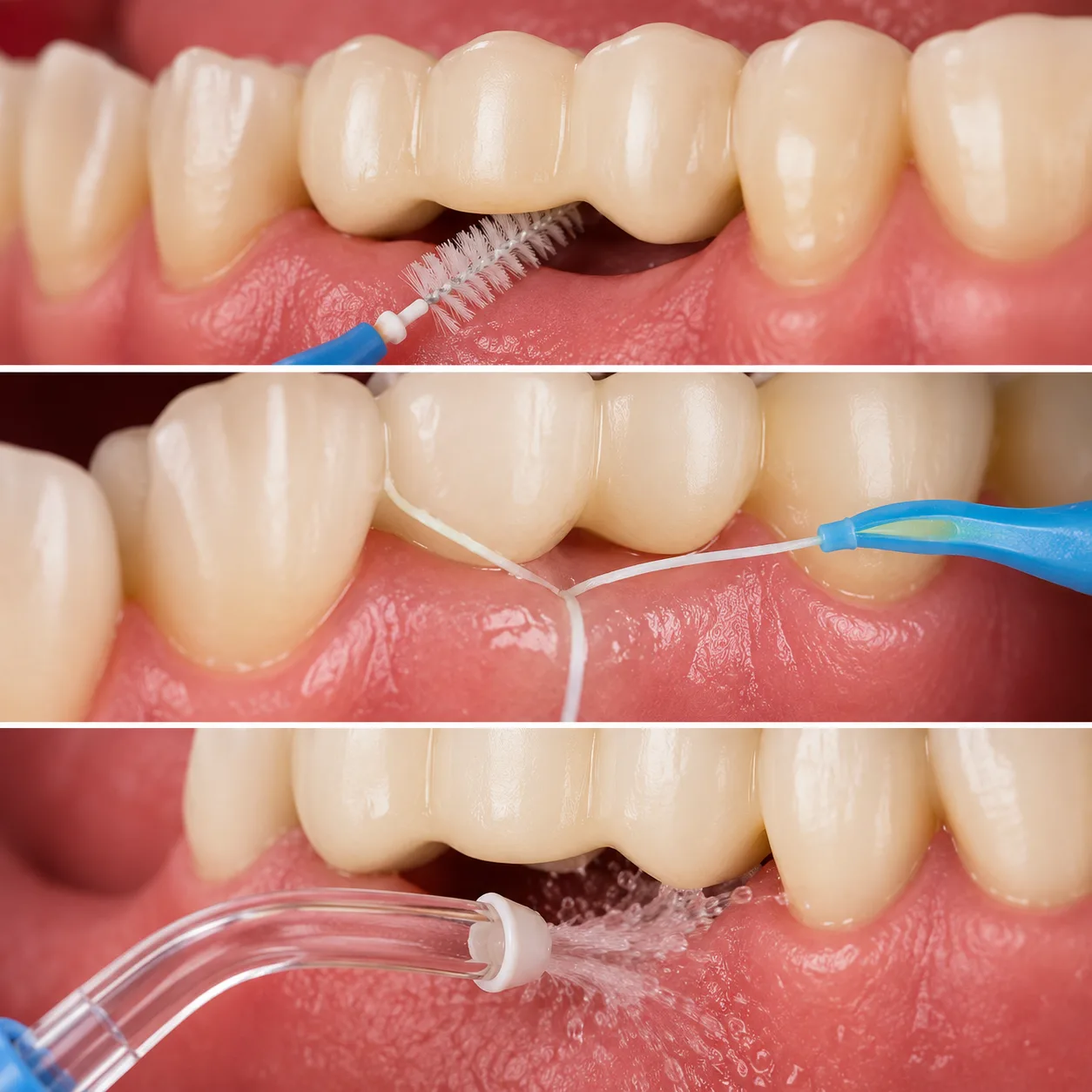
You cannot floss between connected teeth the usual way — you clean underneath the bridge instead, which we show you how to do.
It does not stimulate the bone
A bridge sits on the gum and does not stimulate the bone under the gap the way a natural root or an implant does.
On longevity
Bridges run around 80% survival at ten years and commonly last 5–15 years; implants tend to last longer — research puts ten-year implant survival above 90% — but cost more and take months rather than weeks.
| Factor | Dental bridge | Dental implant |
|---|---|---|
| Surgery | None | Minor surgery |
| Treatment time | A few weeks | Several months |
| Upfront cost | Lower | Higher |
| Adjacent teeth | Reshaped to support | Left untouched |
| Bone under the gap | Continues to shrink | Preserved by the implant root |
| Typical lifespan* | ~5–15 years | 15+ years common; 90%+ at 10 years |
*Survival and lifespan figures are typical and drawn from published prosthodontic research (NIH/NCBI literature on fixed dental prostheses; comparative implant-survival studies). Individual results vary with the health of your supporting teeth, your gums, your bite and your care.
Living With It
Living with your bridge — the part most pages skip
A bridge succeeds or fails at the gum line of its supporting teeth, so the cleaning routine matters more than with a single crown. Because the replacement tooth is joined to its anchors, ordinary floss cannot pass between them — instead you clean underneath the bridge with an interdental brush, a floss threader or a water flosser.
We show you the technique at your fitting, and it takes under a minute a day once learned. Eating and speaking feel normal for most people within a few days; start with softer foods and both adjust quickly.
Cost
Dental bridge cost in Coimbatore
The honest answer is that bridge pricing is set after we have seen your case, because it moves with several things:
- The material — PFM, all-ceramic or zirconia
- The number of units — bridges are priced per unit, and replacing one missing tooth usually needs a three-unit bridge (two anchor caps plus the replacement tooth)
- The condition of the supporting teeth — whether they need a filling or root canal first
- The lab work in your custom bridge
| Material | Typical range at Arasu (per unit) | Notes |
|---|---|---|
| PFM | Quoted at consultation | Metal core, tooth-coloured surface |
| All-ceramic | Quoted at consultation | Most lifelike; front gaps |
| Zirconia | Quoted at consultation | Strength + natural look |
You get a clear, itemised quote at your consultation before anything begins, with EMI options available. For per-material context in the meantime, the anchor caps follow crown pricing — see our dental crown cost guide.
Your Specialist
Planned by a prosthodontist, supported in-house
Bridges are precision prosthetics — the fit against the gum, the bite, the shade match. Yours are planned by a specialist whose MDS is in exactly this, with our endodontist on hand if a supporting tooth needs treatment first.

Dr. Ashwin Kumar
12+ years including international practice and full-mouth reconstruction work; plans and fits your bridge as a specialist, not as general practice.
View profile
Dr. L.S. Priyanka
Our team has completed over 1,000 root canal procedures — so if a supporting tooth needs a filling or root canal before the bridge, it is handled in the same clinic.
View profile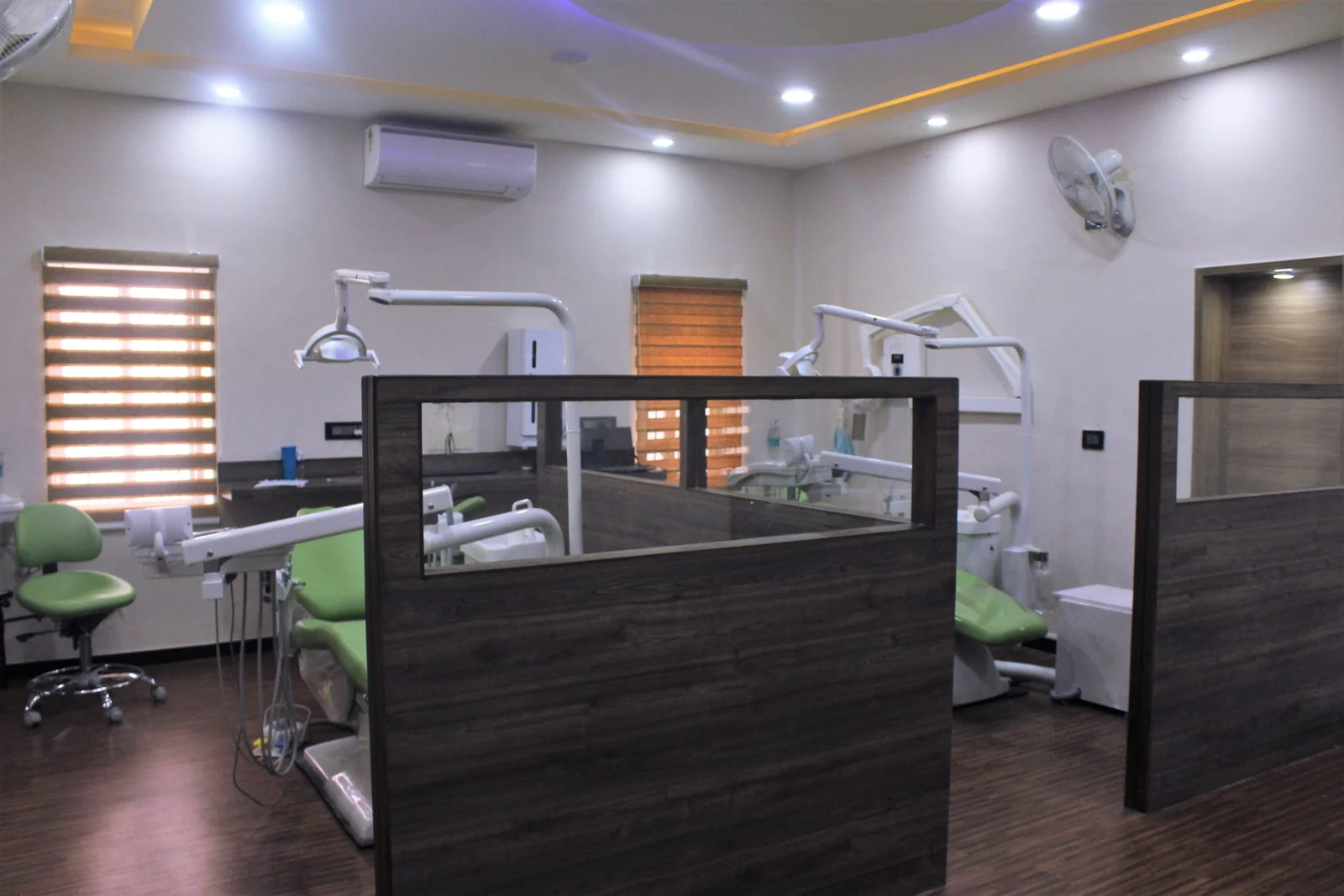

Patient Reviews
Rated 4.8 on Google
 Google Reviews
Closed a gap with a bridge in just a couple of visits. Dr. Ashwin explained honestly why a bridge suited me better than an implant here.
My front tooth bridge looks completely natural — the shade match is spot on and it was priced clearly before we started.
They treated a weak supporting tooth first, then fitted the bridge. One clinic, one team — no running around.
Comfortable through the whole thing, much like a filling. They showed me exactly how to clean under the bridge.
From The Blog
Related reading on dental bridges
Dental bridge vs implant: how to choose
Read article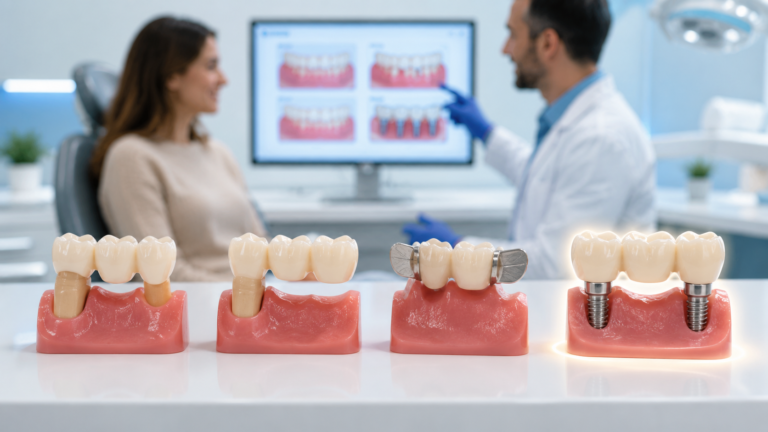
Which type of dental bridge is best for you?
Read article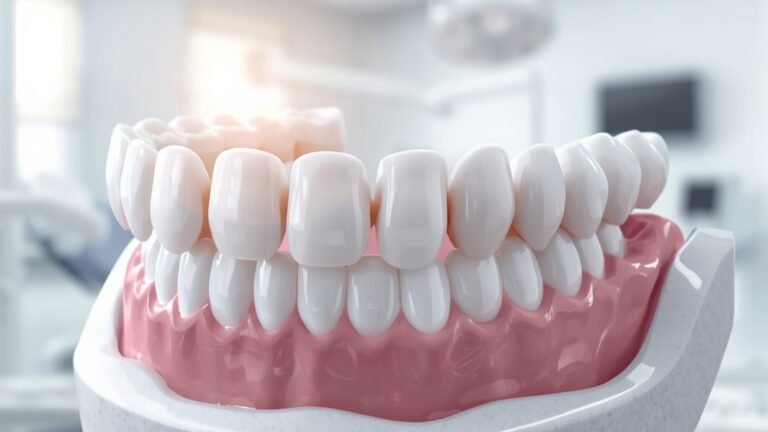
Who needs a porcelain dental bridge?
Read article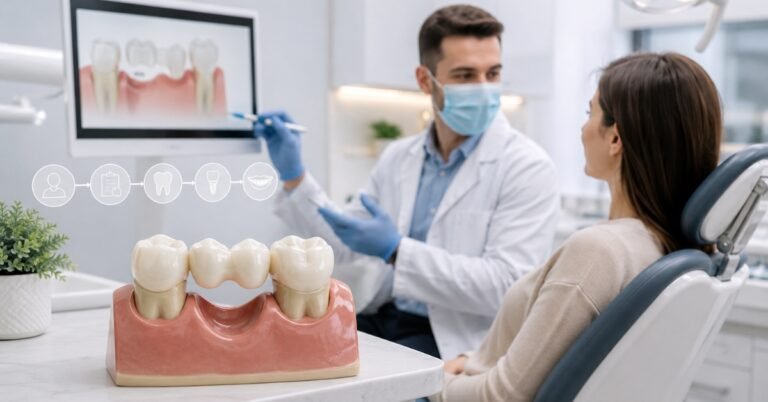
What to expect during dental bridge treatment
Read article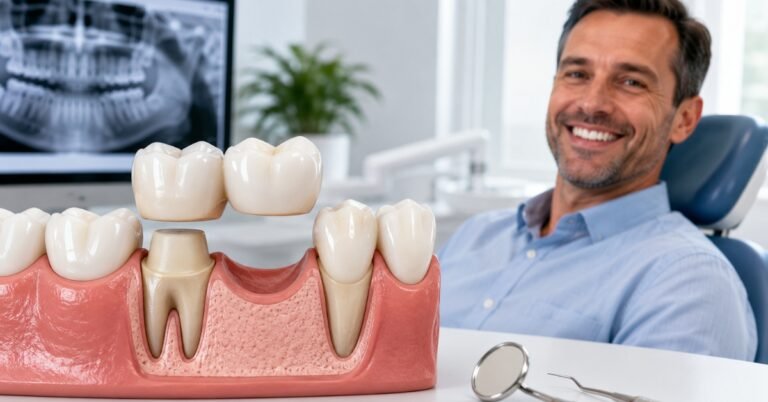
Benefits of dental bridges for missing teeth
Read article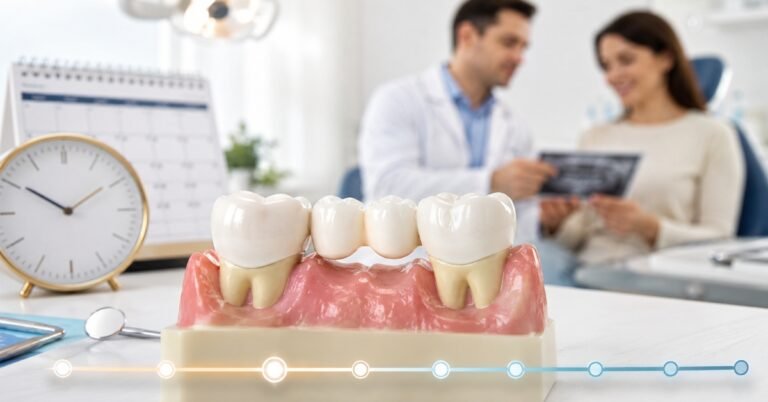
How long does it take to get a dental bridge?
Read articleMore From Arasu
Our other services

Dental Implants

Dental Crowns

Dental Bridges
Root Canal Treatment

Tooth Filling

Orthodontic Treatment
Clear Aligners
Smile Designing

Cosmetic Dentistry

Scaling & Cleaning

Teeth Whitening
Dental Veneers

Wisdom Tooth Removal

Tooth Extraction

Kids Dentistry

Gum Disease Treatment

TMJ Disorder Care

Oral Surgery