Children's dentistry · gentle care from the first tooth to the teenage years
At Arasu Dental Care, we look after your child's teeth from the very first tooth through the teenage years — so they grow up cavity-aware, comfortable in the dental chair, and carrying healthy habits into adulthood. Day-to-day children's care at both our branches is handled by our dentist (BDS, FAD), who works with children the way children actually respond — gently, patiently, and at their own pace — and when your child's bite or jaw growth needs a specialist's eye, our founder Dr. P.S. Sree Cumar (MDS, Orthodontics) reviews it in the same clinic, on the same visit if needed.
Open all seven days, 10:00 AM – 8:30 PM · R.S. Puram +91 88380 22157 · Saibaba Colony +91 74491 88777
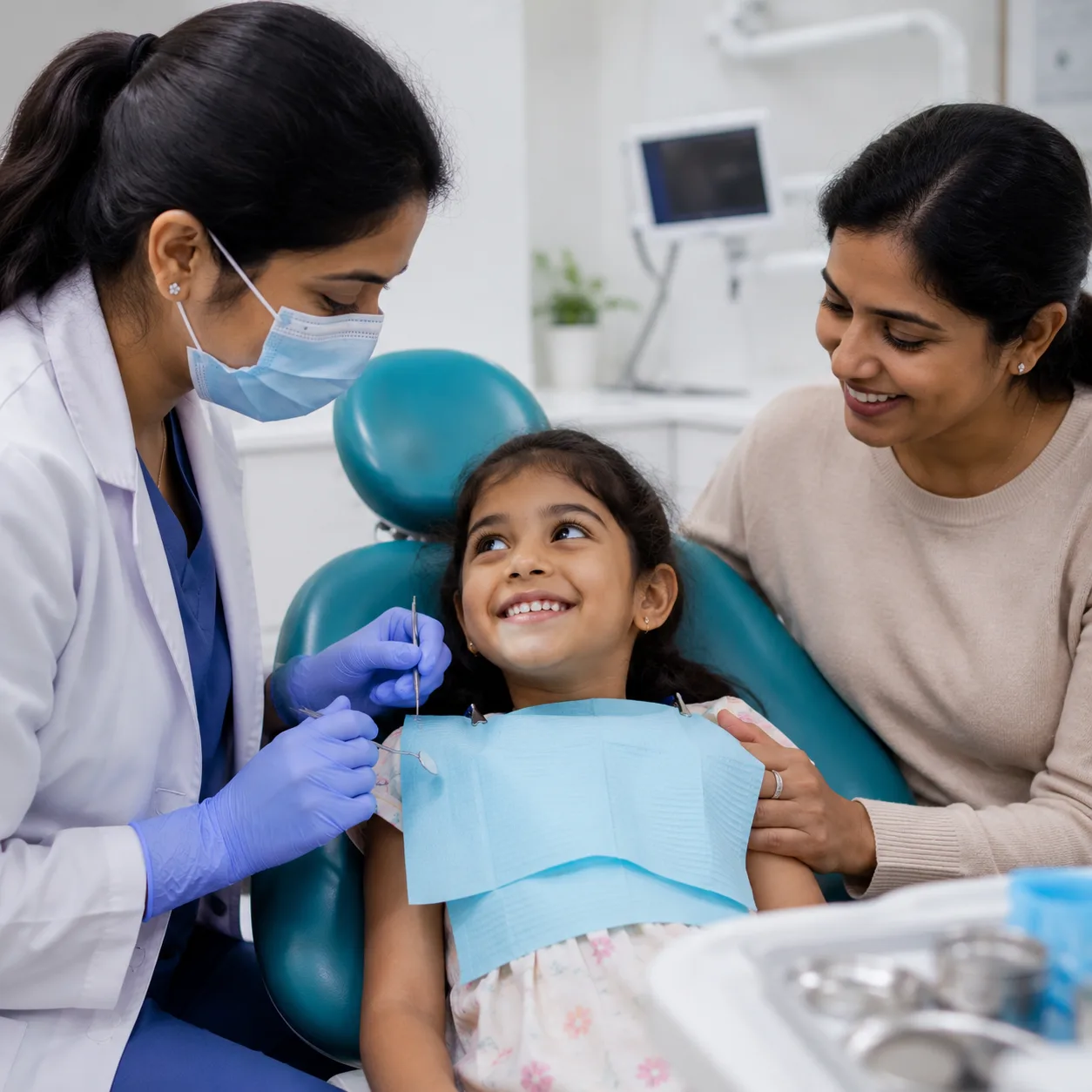
Whether it's a first "well-baby" visit or a tooth that's troubling your little one, you'll find a clinic built around keeping the experience calm for them and clear for you. Open all 7 days. R.S. Puram: +91 88380 22157 · Saibaba Colony: +91 74491 88777
Where To Start
By your child's first birthday, or within six months of the first tooth appearing — whichever comes first. That guidance comes from the American Academy of Pediatric Dentistry, and it surprises most parents, who expect to wait until there's a visible problem.
Bringing your child in this early isn't about treatment — it's about a "dental home." At the first dental check-up, we check how the teeth and jaw are developing, show you how to clean those first teeth, talk through bottle and feeding habits, and spot early decay while it's still easy to reverse. It also lets your child get used to us before they ever need anything done, so later visits feel routine rather than frightening.
If your child is already past their first birthday and hasn't seen a dentist, that's not a problem — the best time to start is now.
First visit by age one. The early visit is mostly about prevention and getting your child comfortable, not treatment — it's how a small check-up habit today prevents a frightening, painful appointment later. Source: American Academy of Pediatric Dentistry (AAPD) — first dental visit by the first birthday or within six months of the first tooth.
Don't Wait
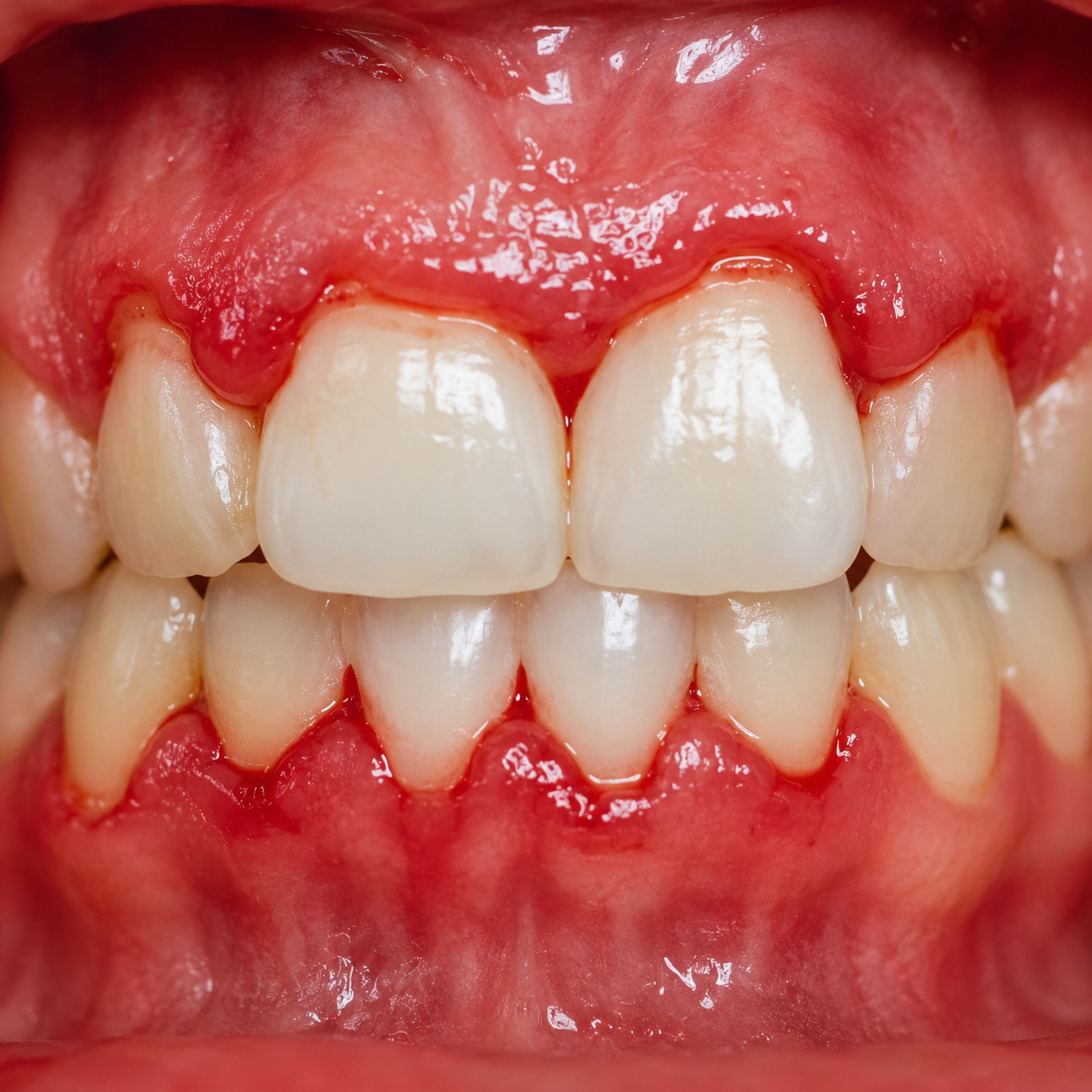
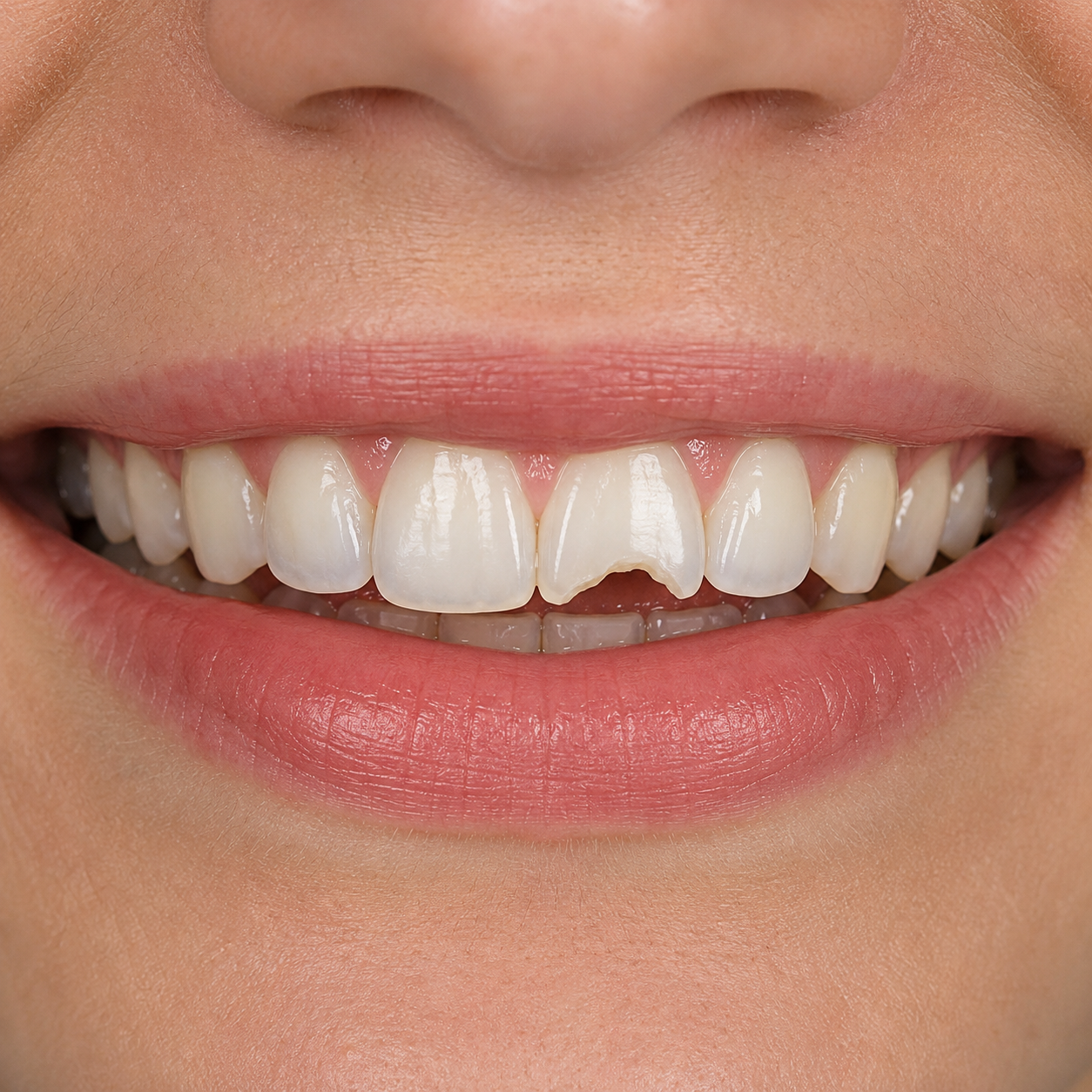
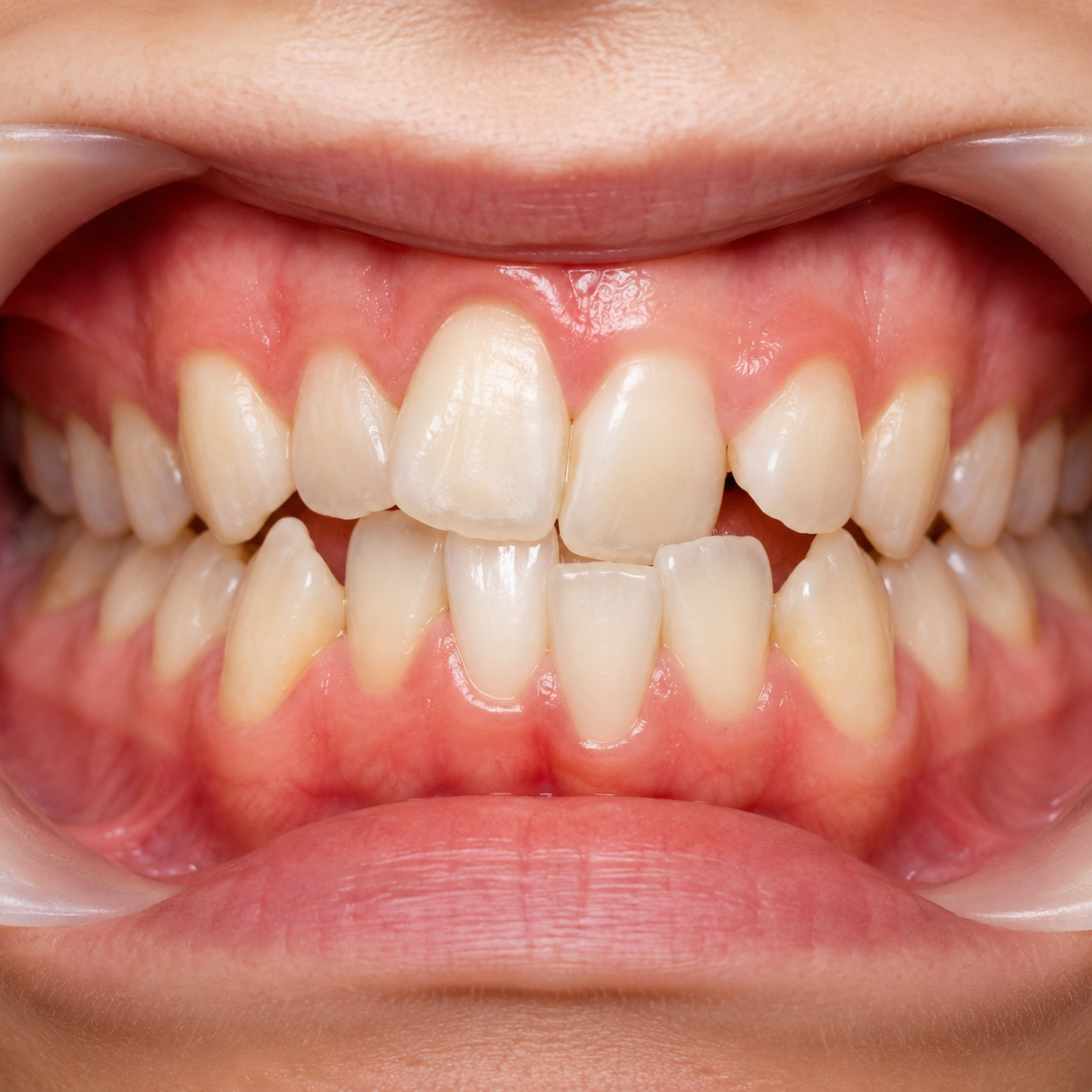
You don't need to wait for the next check-up if something looks off. Book a visit if you notice:
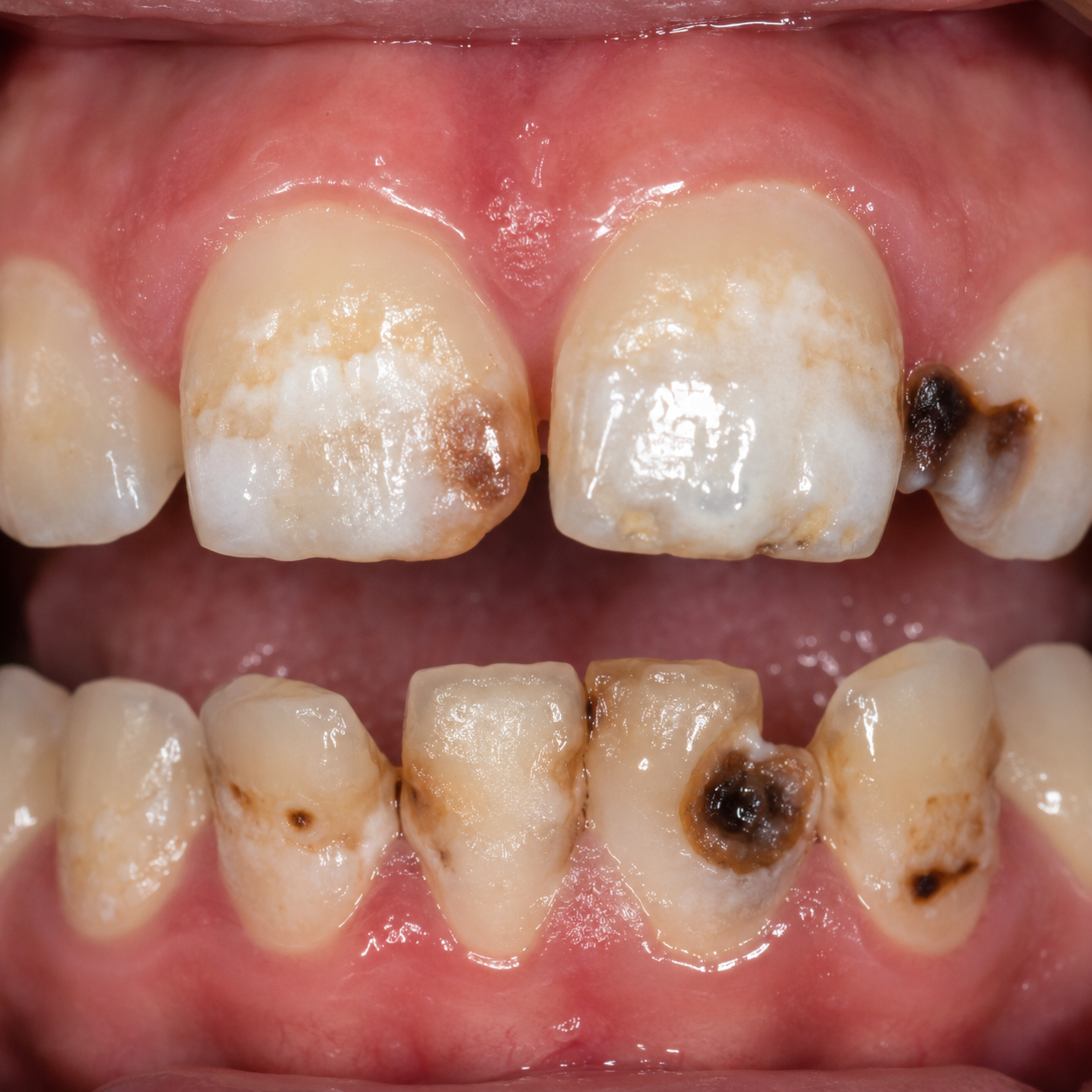
on the teeth.

to hot, cold or sweet.

or persistent bad breath.

eating or chewing on one side.

when it shouldn't be.
continuing past age 3–4.

as adult teeth come through, or speech and feeding difficulty from a tongue-tie.
Caught early, most of these are simple to handle — a small cavity (tooth decay) treated now is a short appointment, not a painful problem later. A knocked-out or badly broken tooth, though, is an emergency: call us straight away, at either branch. We're open until 8:30 PM every day.
Every Stage
What your child needs from us changes as they grow, so we plan care in stages.
The first visit, teething guidance, and breaking the bottle and night-feeding habits that cause early decay. If feeding or speech is affected by a tongue-tie or lip-tie, our oral surgery team performs a frenectomy — a short, precise release — at the right age.
The high-risk window for cavities in milk teeth. We focus on prevention — gentle cleanings, fluoride application and sealants — and treat any early decay before it reaches the nerve of the tooth.
Baby and adult teeth sit side by side (mixed dentition). We protect the new permanent molars, hold space with a space maintainer when a milk tooth is lost too early, and watch how the bite is developing — the window where Dr. Sree Cumar's orthodontic assessment matters most.
Alignment, wisdom-tooth monitoring, and the appearance concerns that matter to teens. When braces are the right step, treatment is planned by our in-house orthodontists — see our full orthodontic treatment service for how we handle it.
What We Do
Across both branches, your child's care can include:
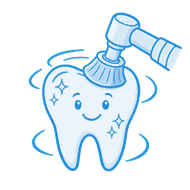
A routine child dental check-up plus a gentle professional clean to remove the plaque a toothbrush misses.
A quick protective coat that strengthens young enamel — the CDC reports it can prevent around a third of cavities in baby teeth (fluoride treatment).
A thin protective layer over the chewing surfaces of the back teeth, where nine in ten childhood cavities start. Sealants prevent about 80% of cavities in those teeth.
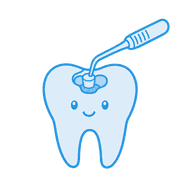
Child-safe, mercury-free restoration when a cavity has formed (tooth-coloured fillings for children).
When decay reaches the nerve of a milk tooth, we save the tooth rather than remove it. A pulpotomy treats the nerve inside the crown; a pulpectomy is the milk-tooth version of a full root canal.
A child-sized crown rebuilds a tooth too damaged for a filling, usually placed in a single visit.
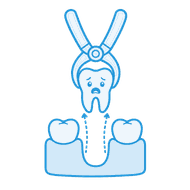
Only when a tooth genuinely can't be saved. See what's involved in a child tooth extraction.
A small fixed or removable space maintainer holds the gap when a milk tooth is lost early, so the adult tooth erupts where it should.
Appliances to stop thumb-sucking or tongue-thrusting from reshaping the bite, and growth-guidance appliances where the jaw needs help — an area our founder, who teaches at RVS Dental College, handles personally.
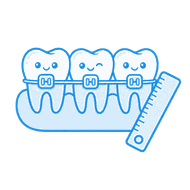
Planned and monitored in-house by our orthodontists (braces for children).
Knocked-out teeth, fractures and severe toothache, seven days a week until 8:30 PM.
Who Treats Your Child
Your child's routine care is led by our dentist (BDS, FAD). Bite and jaw development is reviewed by our founder Dr. P.S. Sree Cumar (MDS) — an orthodontist, TMJ specialist and Senior Lecturer at RVS Dental College — alongside orthodontist Dr. Sneha K Achuthan (MDS).
A Calm First Impression
A child's first impression of the dentist tends to stick, so we work to make it a good one. Our aim is simple: a child who leaves willing to come back.
We explain each step in words a child understands, show them the instrument, then use it — so nothing comes as a surprise. Appointments are kept short, the room is unhurried, and nervous children set some of the pace.
For a very anxious child or a longer procedure, comfort options are available — we'll talk you through what's appropriate for your child's age and the treatment planned.
Talk about the visit positively (avoid words like "pain" or "needle," even to reassure), never use the dentist as a threat, bring a comfort object, and book early in the day when your child is rested.
Straight Answers
It's tempting to think baby teeth don't matter because they fall out anyway — but they do the work of eating and speech, guide the jaw's growth, and hold space for the adult teeth. Decay in them is both common and consequential: pooled research across India puts early childhood tooth decay at around 47% of young children — roughly 45% in south India — which means close to one in two children in our region is affected. Untreated, a small cavity becomes pain, infection, missed school, and often a more complex problem in the permanent tooth that follows.
The encouraging part: early decay is largely preventable and, caught early, often reversible. That's the whole point of starting young and keeping up regular visits — we deal with small problems while they're still small. And where a problem doesn't need intervention yet, we'll say so plainly. Some habits self-correct, some baby teeth close to falling out aren't worth treating, and some bites are best simply monitored until the growth spurt. Honest advice costs us a procedure sometimes; it's also why families stay with us.
Source: Indian Journal of Public Health, 2022 — systematic review & meta-analysis of early childhood caries (71 studies, 69,330 children): ~46.9% pooled prevalence in India, ~44.6% in south India. Individual results vary with diet, daily care and other factors.
Inside The Clinic
Unhurried rooms, child-sized instruments and a team used to little patients — across both our Coimbatore branches.
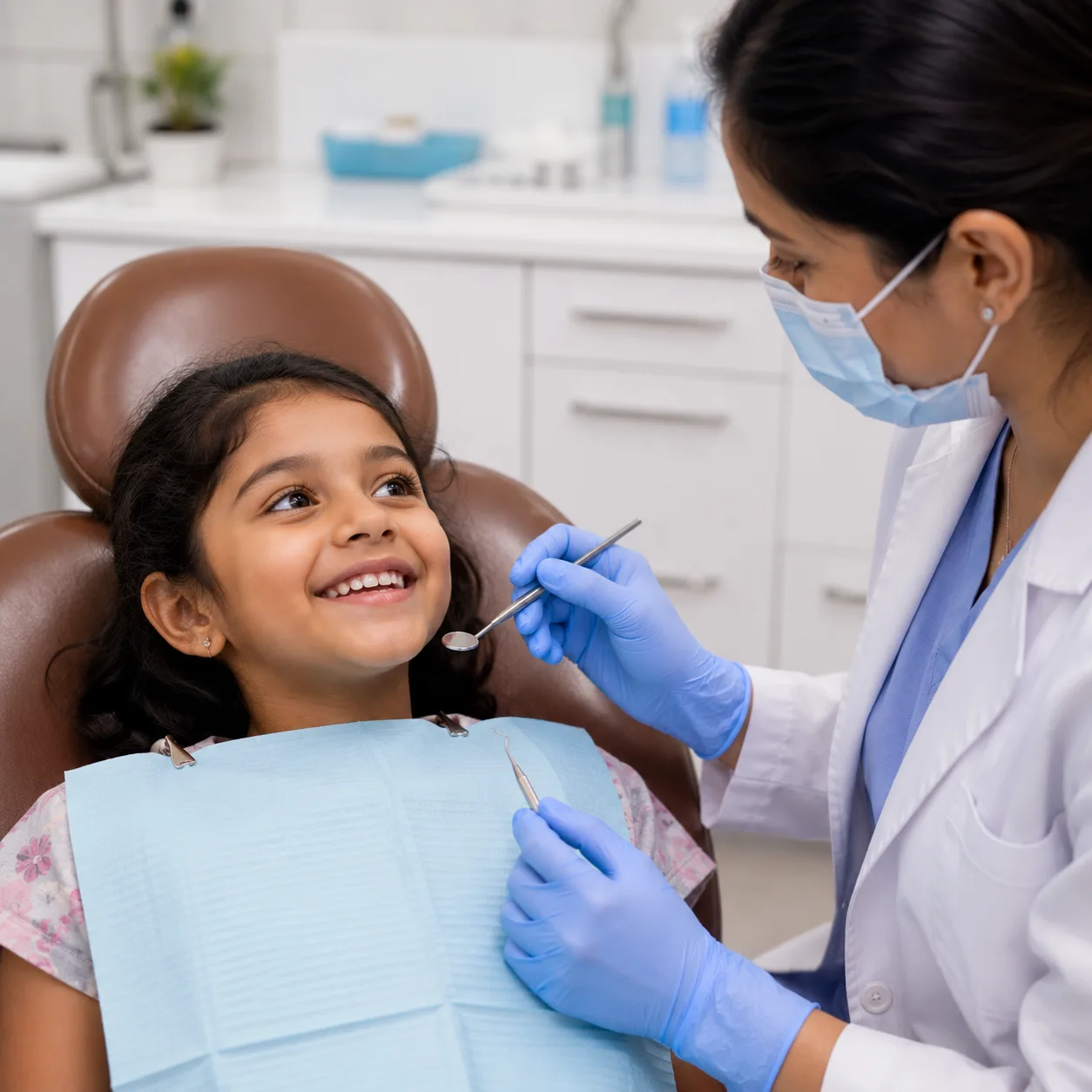
Short, calm appointments where the child sets some of the pace.
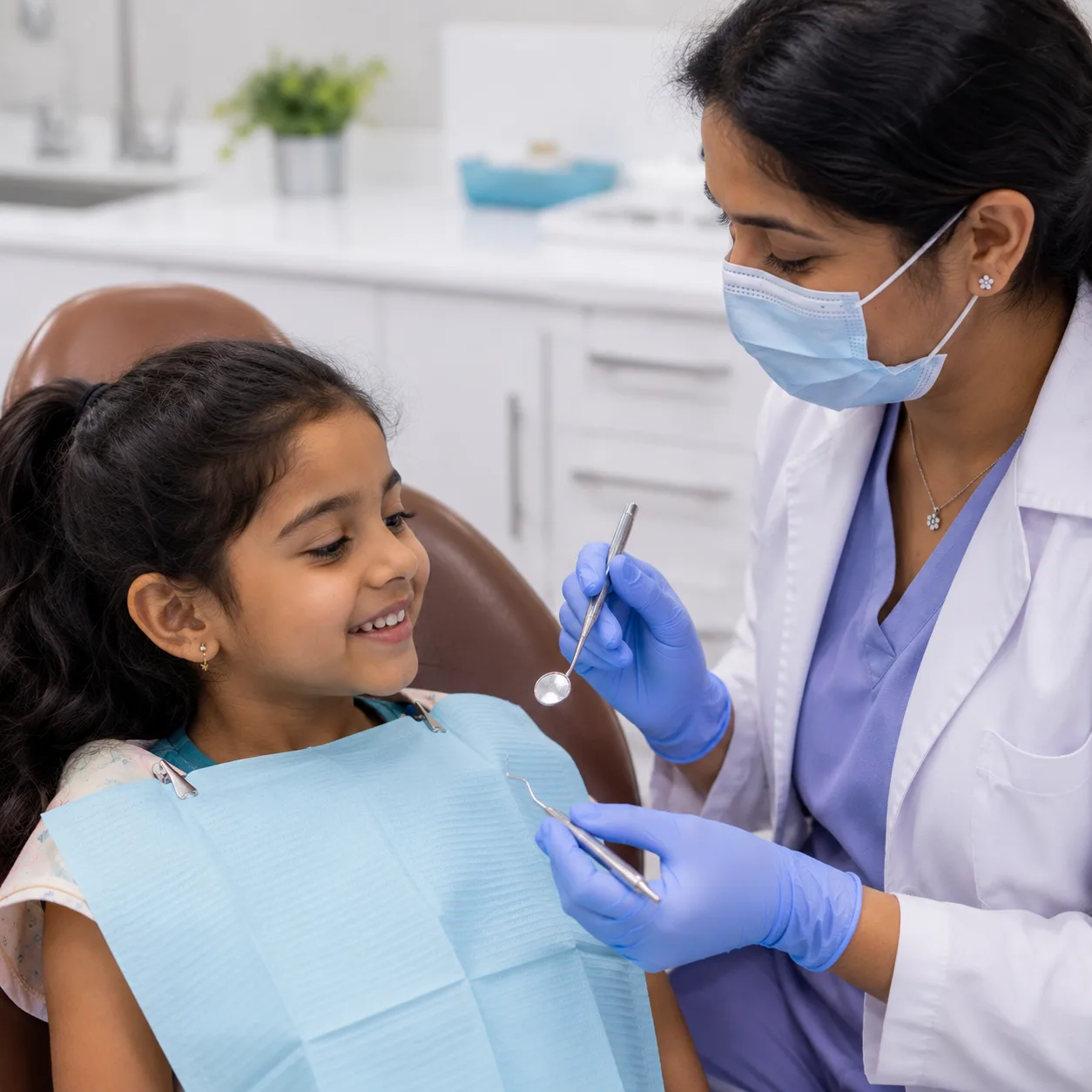
Nothing comes as a surprise — each step is explained and shown first.
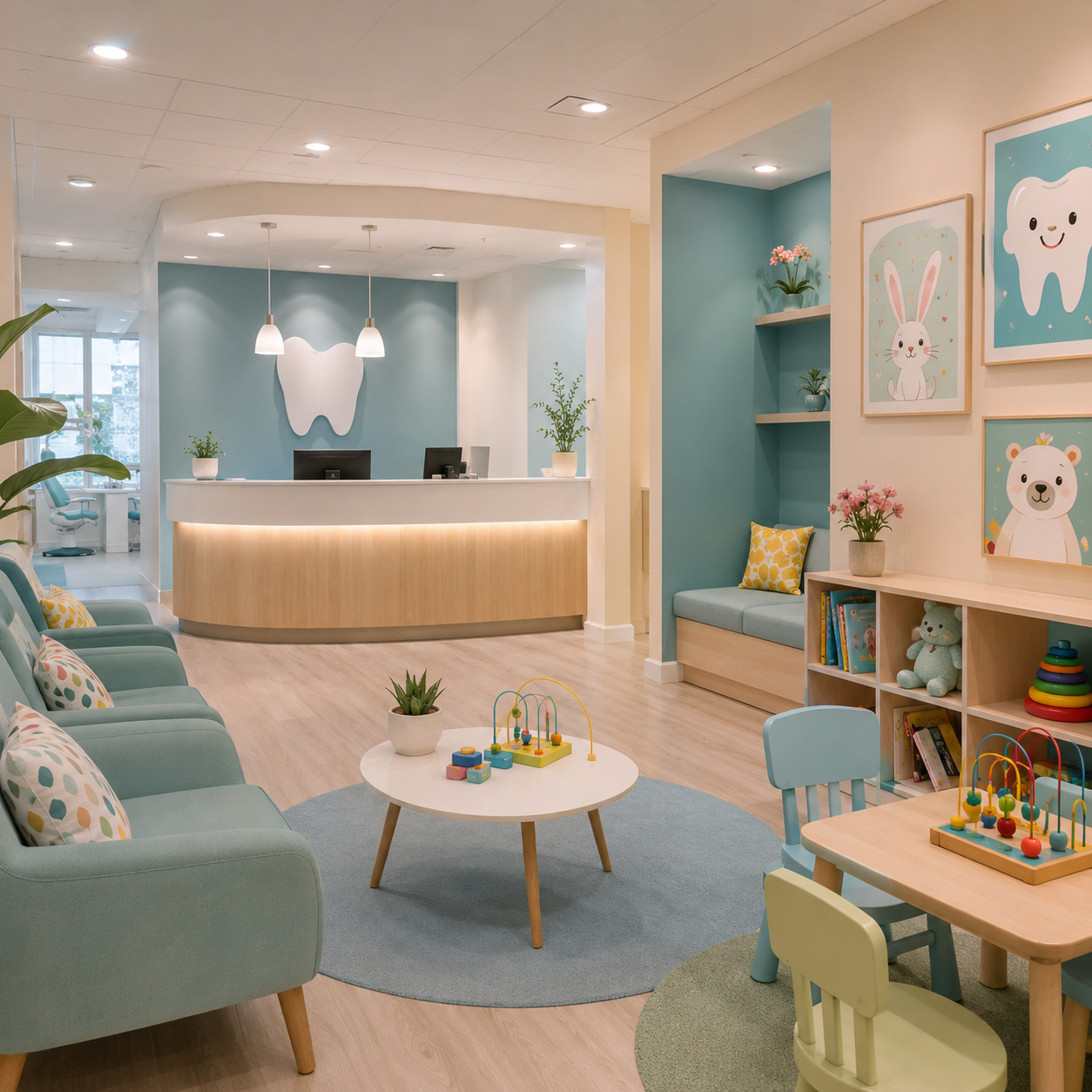
A first impression that makes the next visit feel routine.
Cost
What your child's care costs depends on what they actually need — a check-up and fluoride is a small, predictable expense; a pulpectomy with a crown is more involved. The main factors are the type of treatment, how many teeth are affected, the materials used, and how much settling-in time an anxious child needs. These are our fees at both branches:
| Treatment | Fee at Arasu Dental Care |
|---|---|
| Consultation & check-up | ₹300 – ₹500 |
| Digital X-ray (IOPA) | ₹200 – ₹300 |
| Full-mouth X-ray (OPG) | ₹400 – ₹600 |
| Professional cleaning (child) | On consultation |
| Fluoride application | On consultation |
| Dental sealant per tooth | On consultation |
| Tooth-coloured filling per tooth | On consultation |
| Pulpotomy / pulpectomy | On consultation |
| Pediatric crown | On consultation |
| Milk-tooth extraction | On consultation |
| Space maintainer | On consultation |
| Braces for teens — metal | ₹30,000 – ₹50,000 |
| Braces for teens — ceramic | ₹35,000 – ₹70,000 |
Your exact cost is confirmed at the consultation, before any treatment begins — and we'll always tell you what's included. We accept cash, UPI, cards and net banking, with EMI options available for larger treatment plans.
Not sure what your child needs?A consultation gives you a clear plan and an exact cost. R.S. Puram +91 88380 22157 · Saibaba Colony +91 74491 88777.
Book a consultationGet Started
Tell us a little about your child and pick a time that suits you. Evening and weekend slots are available at both branches, so appointments fit around school.
We'll keep it calm for them and clear for you.
Why Arasu
Your child's routine care is handled by our dentist (BDS, FAD); bite and jaw development is reviewed by Dr. P.S. Sree Cumar (MDS), our founder — an orthodontist, TMJ specialist and Senior Lecturer at RVS Dental College — alongside orthodontist Dr. Sneha K Achuthan (MDS). If your child ever needs a surgical extraction, our oral and maxillofacial surgeon is in the same building.
From a first filling to habit appliances to teen braces, your child doesn't get referred across town — the specialists work in the same two clinics, and their records move with them.
We recommend the least treatment that solves the problem, and tell you plainly when something can be watched rather than treated.
Both branches run 10:00 AM – 8:30 PM, Monday to Sunday — so appointments fit after school and on weekends without leave letters.
Book your child's visit — both branches, open all week
R.S. Puram: 129, W Sambandam Road, Coimbatore 641002 · +91 88380 22157 · Saibaba Colony: 160, NSR Road, Coimbatore 641011 · +91 74491 88777. Open 10:00 AM – 8:30 PM, Monday–Sunday. Meet the team.
Patient Reviews
My 4-year-old was terrified of dentists. Our dentist was so patient — showed him everything first, no rushing. He actually asked when we're going back. Can't recommend enough for kids.
Took my daughter for sealants after her molars came in. Explained why they help and the whole thing was quick and painless. Priced it upfront, no surprises.
They caught early decay in my son's milk tooth and saved it with a small treatment instead of pulling it. Honest about what did and didn't need doing.
Brought my son in for a thumb-sucking habit at 5. The orthodontist fitted a simple appliance and guided us the whole way. Bite is looking much better now.
Between Visits
Between visits, the daily routine does most of the work.
FAQs
By their first birthday, or within six months of their first tooth — whichever comes first. The early visit is mostly about prevention and getting your child comfortable, not treatment.
Yes. Milk teeth help your child eat and speak, and hold space for the adult teeth. Untreated decay can cause pain and infection and affect the permanent tooth forming underneath — and decay affects nearly one in two young children in south India.
We use child-sized instruments, age-appropriate materials and a gentle, step-by-step approach to keep treatment comfortable. For anxious children or longer procedures, we'll discuss sedation options suited to your child's age.
It depends on the treatment — a consultation is ₹300–₹500, while restorative work costs more. Our fee table above shows the ranges, and your exact cost is confirmed at the consultation before anything begins.
Sealants are a thin protective coating over the grooves of the back teeth, where most childhood cavities begin — they prevent about 80% of cavities in those teeth. They're a simple, effective step for most school-age children as the permanent molars come through.
Gentle encouragement works for many children. If the habit continues past age 3–4 or starts affecting the bite, our orthodontist can fit a simple habit appliance and guide you through it.
Treat it as an emergency and call us right away. For a permanent tooth, keep it moist (in milk or saliva), don't scrub it, and get to us quickly — fast action gives the best chance of saving it. We're open until 8:30 PM every day.
Most children who need braces start between ages 10 and 14, but the right time to check is earlier — around age 7, when jaw-growth problems can still be guided with simple appliances. Our orthodontists will tell you honestly whether treatment is needed now, later, or not at all. See our orthodontic treatment service.
Book at the branch nearest you
Gentle, honest children's dentistry from a named team — check-ups, prevention, fillings, habit appliances and teen braces, all under one roof. Open 10 AM – 8:30 PM, all seven days.