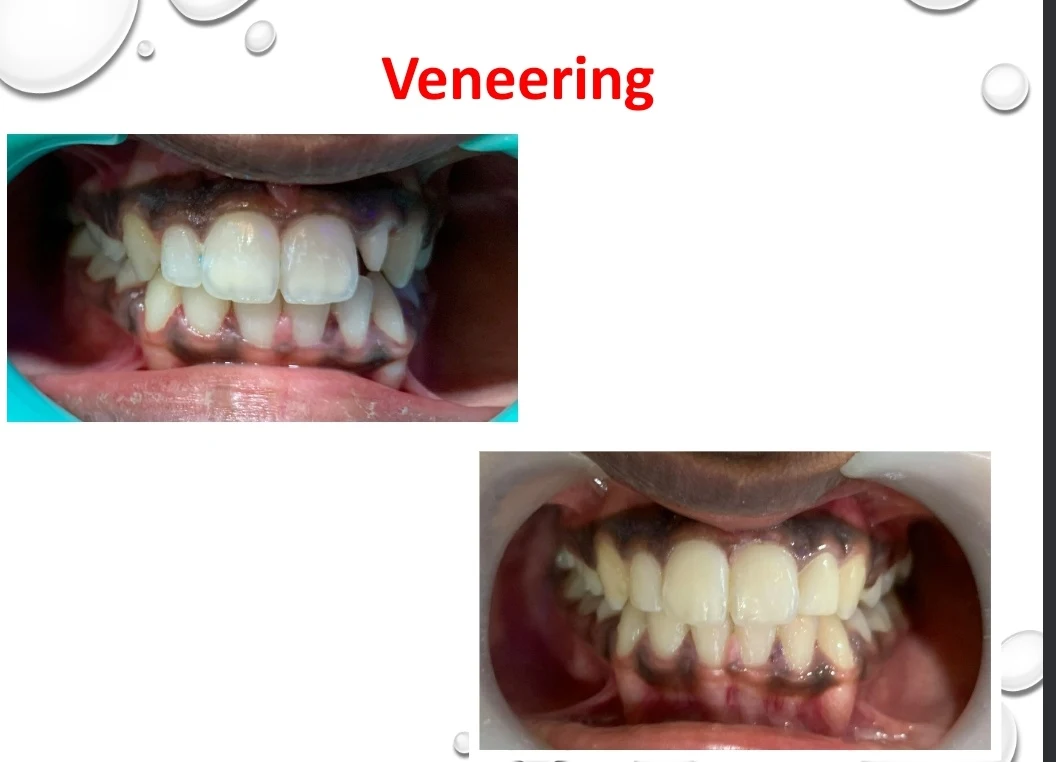
Thin custom shells · placed conservatively
Dental veneers — also called laminates — let you reshape and brighten the teeth that show when you smile, covering chips, stubborn stains, small gaps and uneven edges with thin, custom shells bonded to the front of each tooth. They are a strong fit when your teeth are basically healthy but you are unhappy with their colour, shape or symmetry, and you want a change that looks natural rather than obvious. They are not the right answer for every situation — and on this page we tell you honestly when they are, and when something simpler or sturdier suits you better.
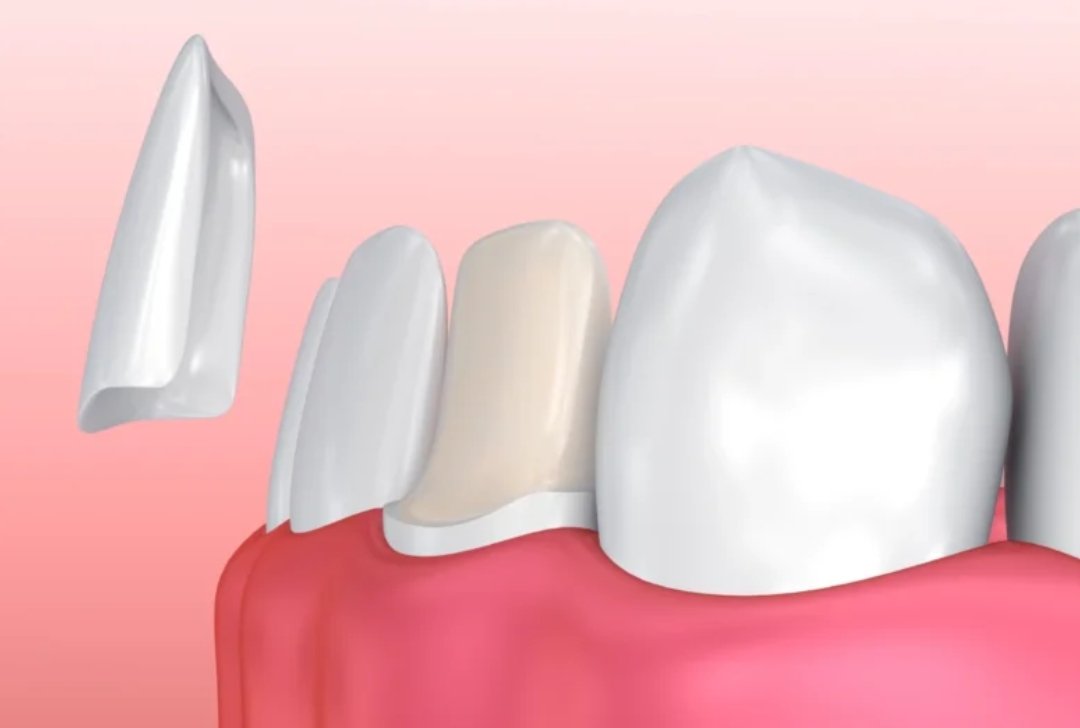
A Natural Result, Not An Obvious One
At Arasu Dental Care, veneer cases are led by Dr. L.S. Priyanka — our cosmetic dentist, whose specialisation in conservative dentistry is precisely the discipline of achieving the result while removing the least possible tooth structure. We place porcelain, composite and zirconia veneers at both our Coimbatore branches. Thinking about veneers? Let's start with a consultation to see what your smile actually needs.
Where To Start
Veneers work best when the concern is mainly how your front teeth look, not how they function. You are likely a good candidate if you recognise your own teeth here — and just as important is when veneers are not the right starting point, which we say at your consultation, not after.
The Options
Neither is "better" in the abstract; the right one depends on how many teeth you are treating, how long you want the result to hold, and what you want to spend. We tell you which genuinely fits your case at the consultation.
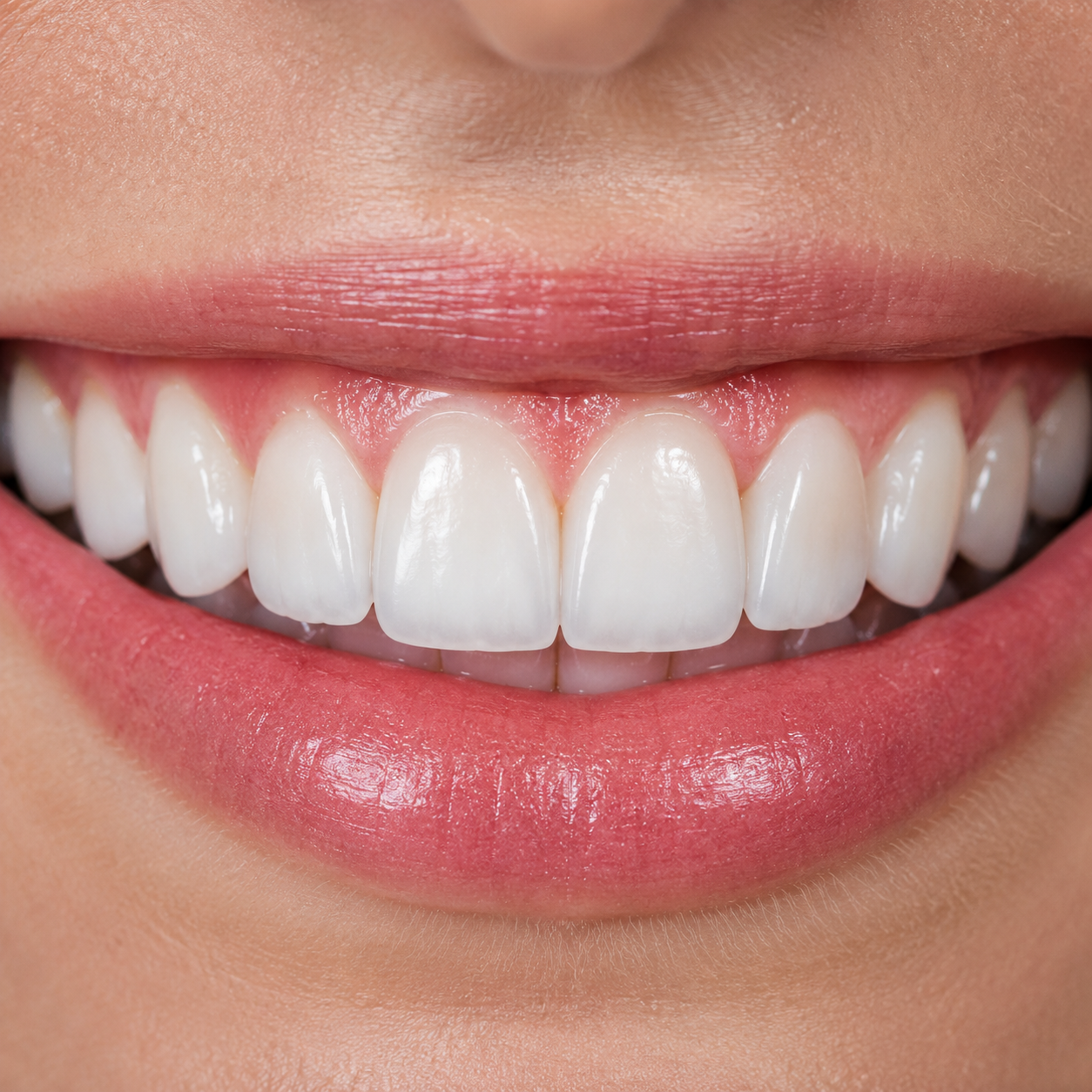
Thin ceramic shells made in a dental lab to a custom shade and shape, then bonded to your teeth. They resist staining well, reflect light much like natural enamel, and last the longest — published studies put porcelain veneer survival in the region of 10 to 15 years with good care.
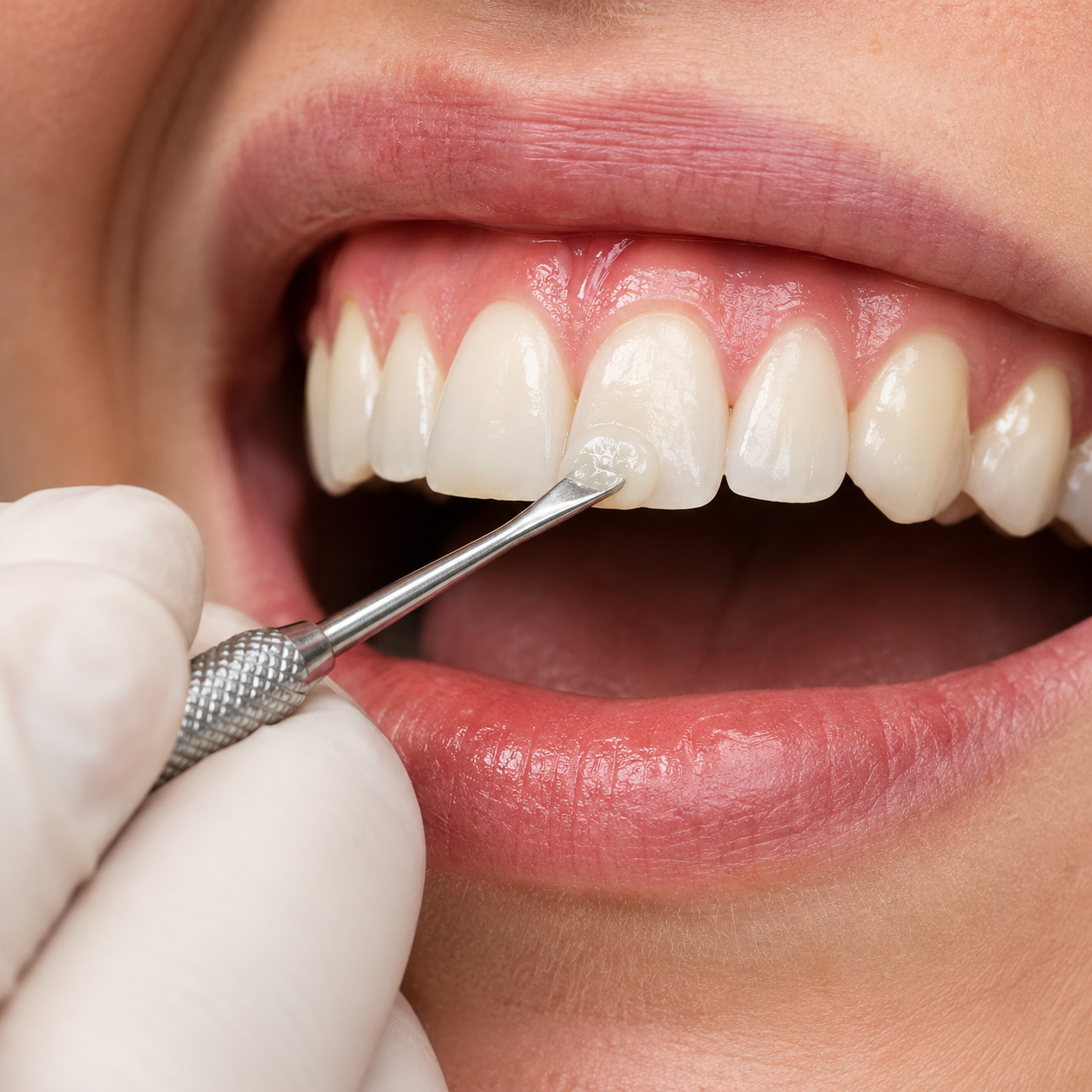
Built up directly on the tooth from tooth-coloured resin in a single visit and shaped by hand. They cost less and need little or no tooth preparation, which makes them an easier first step — but the material is softer, stains more over time, and generally lasts around 5 to 7 years before needing a refresh.
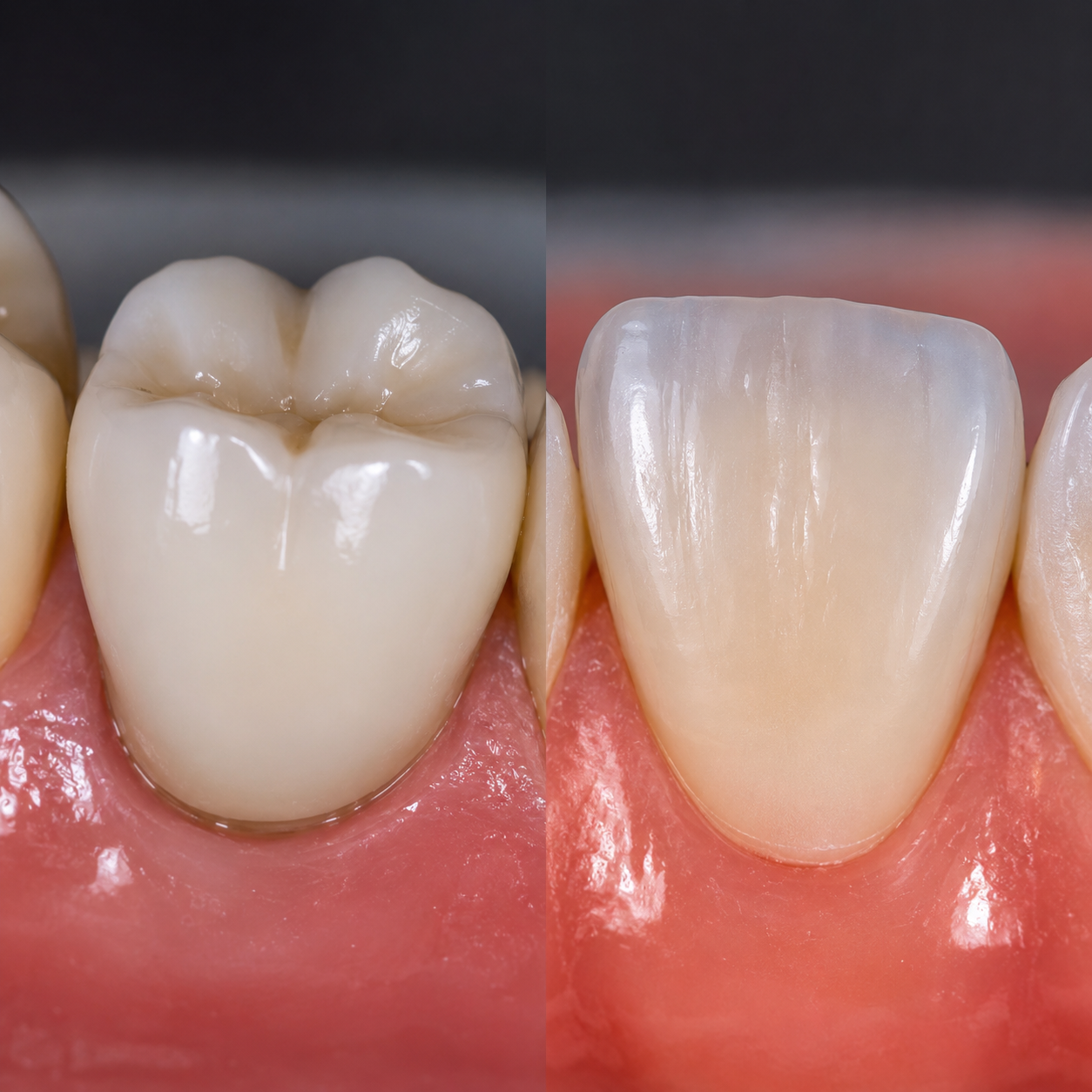
High-strength ceramic veneers suit the heavier-load cases — patients with stronger bites who still want a tooth-coloured result — trading a little of porcelain's translucency for extra toughness.
| Porcelain veneers | Composite veneers | |
|---|---|---|
| Visits | Usually two | Often one |
| Typical lifespan | ~10–15 years | ~5–7 years |
| Stain resistance | High | Moderate |
| Tooth preparation | Minimal enamel removal | Little to none |
| Upfront cost | Higher | Lower |
| Best when | You want a longer-lasting result across the smile zone | You want a lower-cost or single-visit fix |
Your Specialist
The difference between a natural result and an obvious one is judgement — shade-matching, shaping, and knowing when not to treat. Her MDS is in conservative dentistry and endodontics — the science of preserving tooth structure — which is exactly the background a designed veneer case needs: maximum improvement with the minimum tooth removed.
The Process
Every step is planned so the result reads as your smile rather than a row of identical tabs. Here is what to expect.
We examine your teeth and gums, take any X-rays needed, and decide shade and shape to suit your face, lip line and the character of your own teeth. If you are weighing a fuller change, this often sits within a wider smile design plan.
For porcelain we remove a very thin layer of enamel — usually 0.5–0.7 mm, roughly half a fingernail's thickness. Composite needs far less, often 0.1–0.3 mm, and no-prep removes little or nothing. Done under local anaesthesia; enamel has no nerves, so the visit is comfortable.
With porcelain, temporary veneers cover the prepared teeth while the lab makes your final set. Composite is shaped and finished the same appointment, with no waiting.
At the fitting visit we check fit, shape and shade, adjust as needed, and bond the veneers in place. You leave with the finished result the same day.
Straight Answers
An honest answer matters more here than a reassuring one — because some steps cannot be undone and no veneer lasts forever.
Once a tooth is prepared for a porcelain veneer, it will always need a veneer or similar restoration over it — this part is irreversible. That is exactly why we are conservative about preparation and honest about whether you need veneers at all; no-prep and composite options exist precisely to keep more of your natural tooth where the case allows.
A large review of around 6,500 veneers found roughly 95.5% still in place at 10 years, with other studies showing about 85% surviving at 15 — durable, but no veneer lasts forever. Replacement is an ongoing cost to plan for, not a one-time purchase.
Veneers do not decay, but the tooth around and beneath them still can — brushing, flossing and check-ups matter as much as ever. If you grind, a night guard protects your investment; heavy grinding is one of the main reasons veneers chip.
It is common to come in wanting one or two teeth fixed and be offered a full set; we do not work that way. If two veneers solve your concern, that is our recommendation — and if whitening, bonding, a crown or aligners is the better answer, we say so. Results vary from person to person, which is why every smile is planned individually rather than promised a fixed outcome.
Real Results
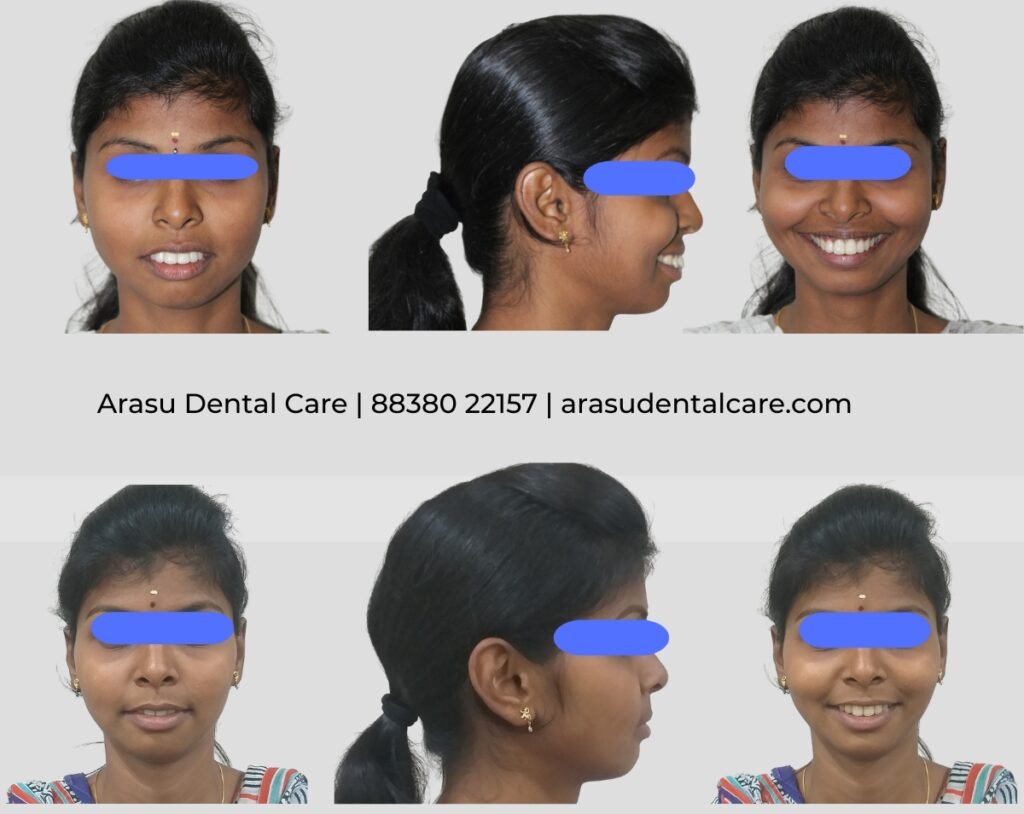
Genuine Arasu cases, shared with patient consent. Tap any image to view it larger.


Cost
What you pay depends on the material, how many teeth you are treating, the lab and planning work involved, and whether anything — gum treatment, a filling — must come first. Our typical per-tooth ranges:
| Veneer type | Typical range at Arasu (per tooth) | Notes |
|---|---|---|
| Composite veneers | ₹3,000 – ₹8,000 | Single visit; refreshed every 5–7 years |
| Porcelain veneers | ₹15,000 – ₹25,000 | Two visits; longest-lasting aesthetics |
| Zirconia / high-strength ceramic | ₹15,000 – ₹35,000 | For heavier bites |
Want a straight answer for your own teeth? A consultation gives you a written plan and quote — no guesswork.
Get Started
Tell us a little about your smile and pick a time that suits you. We start with an honest plan — and tell you plainly whether veneers, or a simpler alternative, is right for your teeth.
Why Arasu
The difference between a natural result and an obvious one is judgement — shade-matching, shaping, and knowing when not to treat. Dr. L.S. Priyanka's MDS is in conservative dentistry and endodontics, with published research and national awards — the exact background for maximum improvement with minimum tooth removed.
We assess gums and bite first, plan shade and shape to suit your face, and use digital smile planning where it helps you see the direction before anything is done.
Whitening, bonding, crowns, aligners — when one of those serves your case better than veneers, we offer it in the same clinic instead of stretching a veneer case to fit.
R.S. Puram and Saibaba Colony, 10 AM – 8:30 PM, all seven days — planning visit, fitting and follow-ups around your schedule.
Patient Reviews
I only wanted two front teeth fixed and expected to be pushed into a full set. Dr. Priyanka did exactly the two I asked about — they blend in completely. Very honest.
Deep staining that whitening never touched. Porcelain veneers on the upper front teeth and they look natural, not fake-white. The shade planning was really thorough.
Composite veneers to close a small gap — done in a single visit, no drilling. Clear written quote beforehand and no surprises. Comfortable throughout.
They explained the irreversible part honestly before I committed and suggested a night guard because I grind. Appreciated that they didn't oversell.

FAQs
No — but they do change them. For porcelain veneers we remove a thin layer of enamel that does not grow back, so the tooth will always need a veneer over it afterwards. Done conservatively, the veneer then protects the surface beneath it. No-prep and composite options remove little or no enamel where your case allows.
The preparation is done under local anaesthesia, and tooth enamel has no nerves, so the appointment itself is comfortable. Some mild sensitivity for a few days afterwards is normal and settles on its own.
Porcelain veneers typically last around 10 to 15 years — a large review found about 95.5% still in place at 10 years — while composite veneers generally last 5 to 7 years. Lifespan depends on the material, your bite and how well you care for them.
At Arasu, composite veneers run ₹3,000–₹8,000 per tooth, porcelain ₹15,000–₹25,000, and zirconia or high-strength ceramic ₹15,000–₹35,000. Treating two teeth costs far less than a full smile-zone set, so you get a written per-case quote after an examination, with EMI available — see our treatment cost page.
Porcelain lasts longer and resists staining better but costs more and takes two visits; composite is lower-cost and often single-visit but needs refreshing sooner. We recommend the one that fits your goals and budget at your consultation.
They do not have to. A natural result comes from planning the shade and shape to match your face and your own teeth, rather than fitting a uniform bright-white set. That planning is the part we spend the most time on.
In some cases, yes — no-prep and composite veneers remove little or no enamel. They suit teeth that are already well-positioned with minor concerns. We tell you honestly whether they will work for you.
Gum infection or decay needs treating first, since veneers need a healthy foundation. If you grind, we may suggest a night guard or a sturdier material. A consultation confirms what is right for you.
Book your veneer consultation
Book at the branch that is easier for you, and we will plan veneers — or the better alternative — around what your teeth actually need. Open 10 AM – 8:30 PM, all week.