What to Expect During Dental Bridge Treatment
If you’re missing one or more teeth and your dentist has suggested a dental bridge procedure, it’s completely natural to feel a little uncertain about what lies ahead. How many visits will it take? Will it be comfortable? How long will the results last?
At Arasu Dental Care, we believe that understanding your treatment helps you walk in feeling calm and confident — not anxious. This guide walks you through exactly what to expect during dental bridge treatment, from your first consultation to long-term care, so you can make an informed decision about restoring your smile.
Let’s break it down, step by step.
What Is a Dental Bridge?
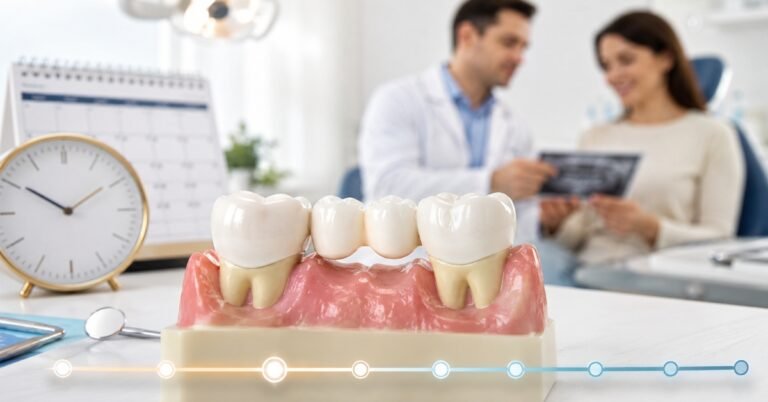
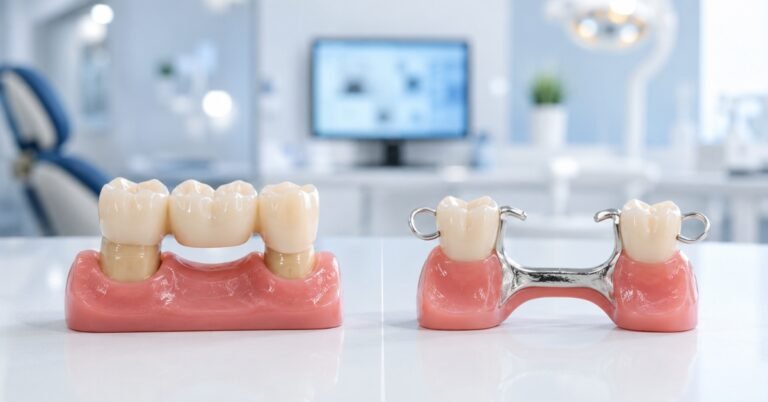
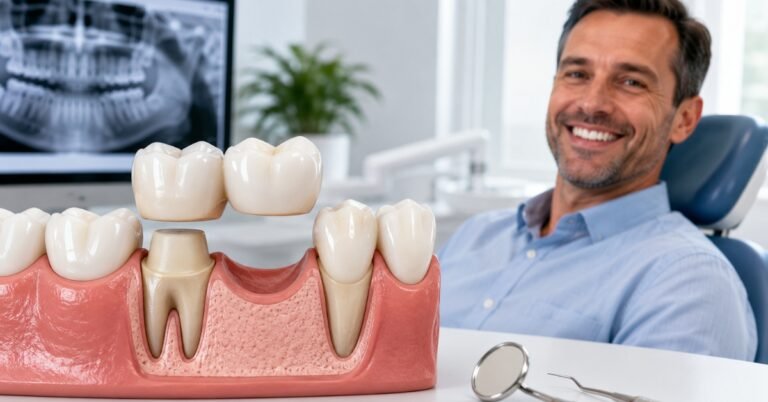
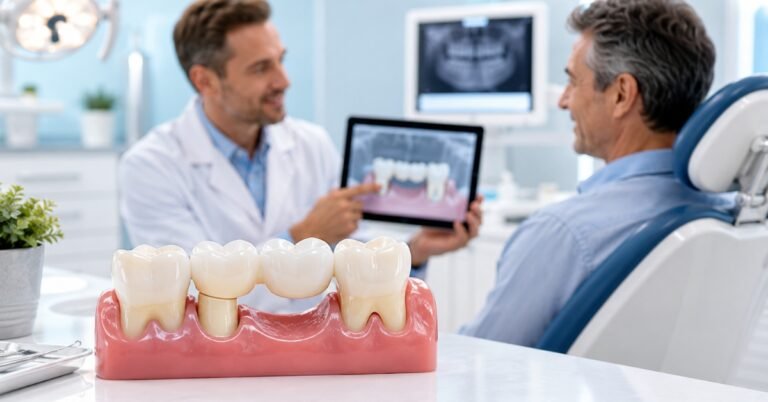
A dental bridge is a fixed restoration that “bridges the gap” left by one or more missing teeth. Unlike removable dentures, a bridge is cemented permanently and stays securely in place.
A typical bridge has two main parts:
- Abutments — the support structures (your natural teeth or dental implants on either side of the gap)
- Pontics — the artificial teeth that fill the empty space
Together, they restore your ability to chew, speak clearly, and smile with confidence. According to the American College of Prosthodontists, bridges are one of the most established and reliable solutions for replacing missing teeth.
Types of Dental Bridges
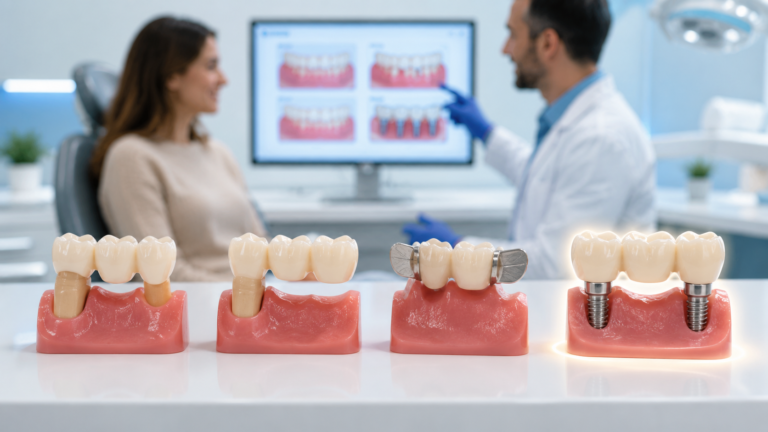
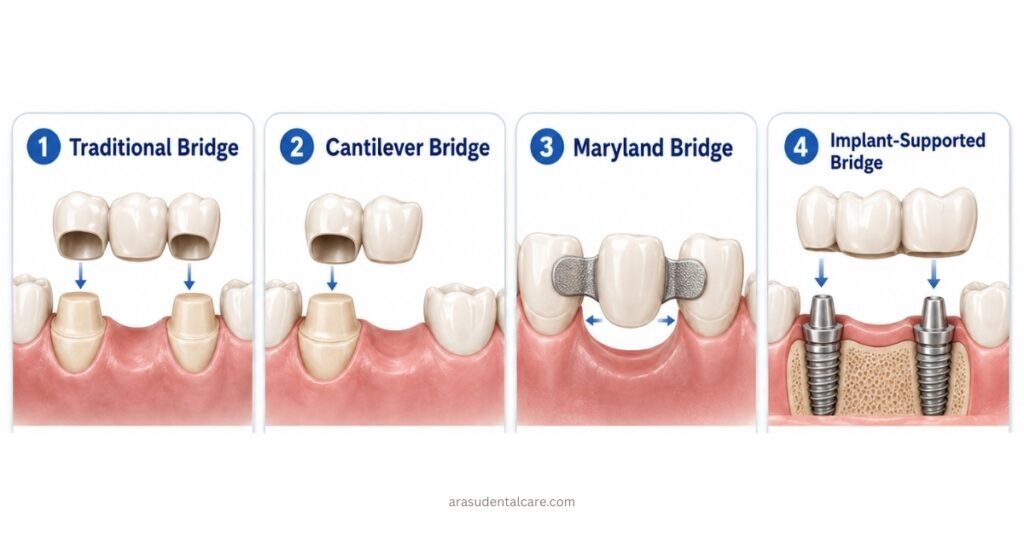
Before discussing the procedure, it helps to know which type of bridge may suit your needs. Your dentist will recommend the best option after a thorough evaluation.
|
Type of Bridge |
How It Works |
Best Suited For |
|
Traditional Bridge |
Crowns on natural teeth on both sides hold a pontic in between |
Healthy teeth on both sides of the gap |
|
Cantilever Bridge |
Supported by a crown on only one side |
When natural teeth exist on just one side |
|
Maryland Bridge |
Metal/porcelain wings bonded to the back of neighbouring teeth |
Replacing front teeth |
|
Implant-Supported Bridge |
Rests on dental implants instead of natural teeth |
Three or more missing teeth in a row |
Each option has different timelines and benefits. We’ll explain all available choices clearly so you can decide what best suits your needs.
What to Expect During the Dental Bridge Procedure (Step by Step)
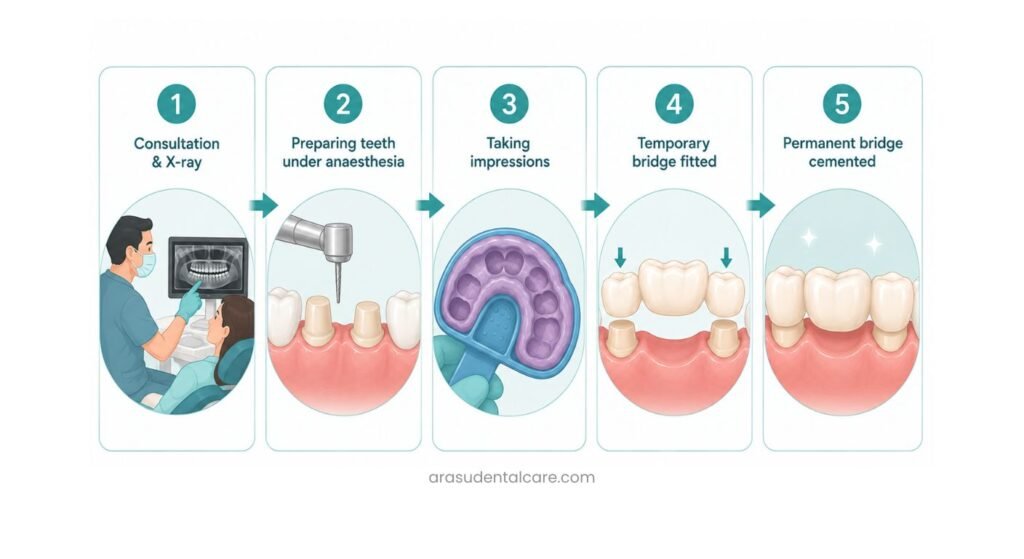
The dental bridge procedure typically requires two or more appointments, depending on the type of bridge you choose. Here’s what each stage involves.
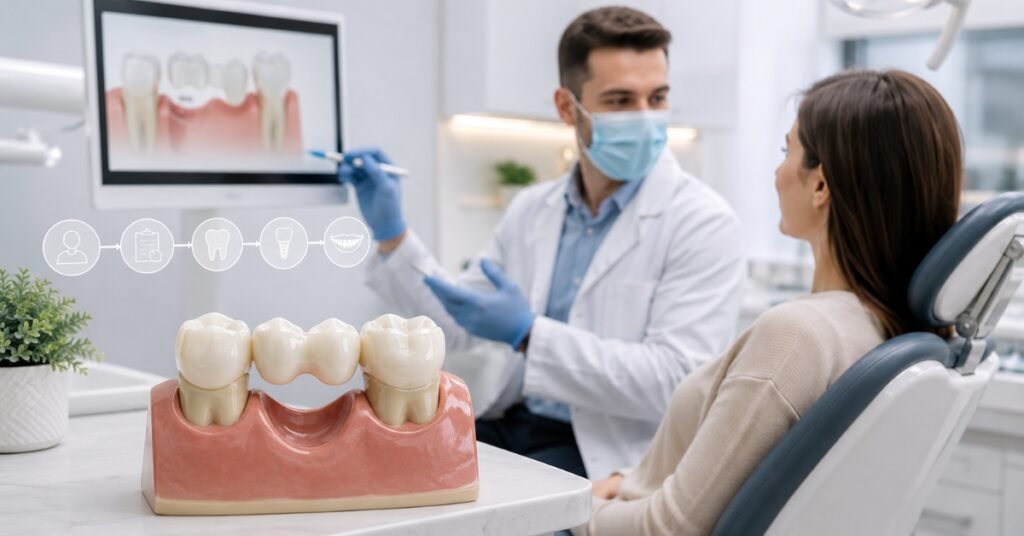
Step 1: Consultation and Assessment
Your journey begins with a detailed examination. During this first visit, your dentist will:
- Examine the gap and the condition of neighbouring teeth and gums
- Take digital X-rays to evaluate bone health and tooth roots
- Discuss whether a bridge, implant, or another option suits you best
- Explain the type, materials, timeline, and transparent cost
This is the stage where we help you understand all available treatment options so you can make a confident, informed decision — never a rushed one.
Step 2: Preparing the Abutment Teeth
Once you decide to proceed, the supporting (abutment) teeth are prepared. The treatment is performed comfortably under appropriate local anaesthesia.
Your dentist gently reshapes the abutment teeth by removing a small amount of enamel. This creates room for the crowns that will anchor your bridge. It’s worth noting this step is irreversible, which is why careful planning matters.
For implant-supported bridges, this stage instead involves placing the dental implant in coimbatore into the jawbone — and the adjacent natural teeth are left untouched.
Step 3: Taking Impressions
Next, your dentist takes precise dental impressions of the prepared teeth and surrounding area.
These impressions are sent to a dental laboratory, where skilled technicians craft your custom bridge to match the exact shade of your natural teeth. This careful colour-matching is what makes a well-made bridge blend in seamlessly.
Step 4: Fitting a Temporary Bridge
Because creating your permanent bridge usually takes about two to four weeks, you’ll receive a temporary bridge in the meantime.
This protects your reshaped teeth, keeps your gums healthy, and lets you eat and smile normally while you wait. Treat it gently and avoid very hard or sticky foods.
Step 5: Placing the Permanent Bridge
At your second visit, the exciting part arrives. Your dentist will:
- Remove the temporary bridge and clean the area
- Try in the permanent bridge and check the fit, bite, and appearance
- Make any small adjustments needed for comfort
- Cement the bridge securely into place
You’ll then gently bite together to confirm everything feels natural. While the bridge may feel slightly unfamiliar at first, most patients adjust within a few days.
What Happens for an Implant-Supported Bridge?
Implant-supported bridges follow a longer timeline because the implants need to fuse with your jawbone — a natural healing process called osseointegration.
Here’s the general flow:
- Implant placement under appropriate anaesthesia (a minor surgical step)
- Healing period of three to six months on average while implants integrate
- Impressions taken once integration is confirmed
- Final bridge placement, secured with cement or small screws
While this takes longer, the National Institute of Dental and Craniofacial Research notes that implant-based solutions help preserve jawbone and offer excellent long-term stability. Our experienced implantologists will guide you through every stage.
Is a Dental Bridge Procedure Comfortable?
This is one of the most common concerns we hear — and a fair one. The good news: the procedure is performed under appropriate local anaesthesia, so you remain comfortable throughout.
Some mild sensitivity or gum tenderness afterwards is normal and usually settles within a few days. For patients who feel anxious, we also offer sedation dentistry to ensure a smooth, relaxed experience.
A real-world note from our chairside experience: many patients who delayed treatment for years out of nervousness later tell us the actual procedure felt far easier than they had imagined.
Recovery and What to Expect Afterwards
Recovery from a dental bridge procedure is generally straightforward. On average, your teeth and gums settle within one to two weeks, though it can take a little longer for the bridge to feel completely natural.
Here’s what’s normal in the first few days:
- Mild gum sensitivity or tenderness
- A slightly unfamiliar feeling when biting
- Minor adjustment in speech (especially with front bridges)
Tips to ease the adjustment period:
- Stick to softer foods cut into small pieces initially
- Rinse gently with warm salt water if your gums feel tender
- Avoid very hard, chewy, or sticky foods for a few days
- Maintain gentle but consistent oral hygiene
If discomfort persists or feels significant, contact your dentist for a quick review.
How to Care for Your Dental Bridge
With good care, a dental bridge often lasts five to fifteen years — and sometimes longer. The supporting teeth are key, so protecting them protects your bridge.
Daily Care Checklist
- Brush twice daily with a non-abrasive fluoride toothpaste
- Floss daily and clean underneath the bridge using floss threaders or interdental brushes
- Avoid chewing ice, pens, or fingernails
- Limit very hard or sticky foods
- Visit your dentist regularly for check-ups and professional cleanings
Cleaning beneath the bridge is especially important — since the pontic sits above the gum, plaque can collect there if neglected, leading to gum problems or decay in the supporting teeth.
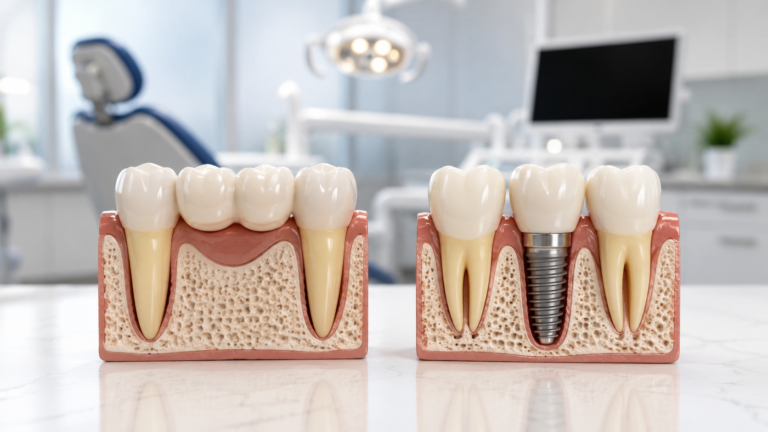
Dental Bridge vs Other Options: A Quick Comparison
|
Factor |
Dental Bridge |
Dental Implant |
Removable Denture |
|
Fixed or removable |
Fixed |
Fixed |
Removable |
|
Treatment time |
2–4 weeks |
3–6 months+ |
Shorter |
|
Protects jawbone |
No |
Yes |
No |
|
Affects neighbouring teeth |
Yes (reshaping) |
No |
No |
|
Typical lifespan |
5–15 years |
Often longer |
Varies |
There’s no single “best” option for everyone. The right choice depends on your oral health, number of missing teeth, budget, and personal preferences — which is exactly what we’ll discuss together during your consultation.
Frequently Asked Questions (FAQs)
1. How long does the entire dental bridge procedure take?For a traditional bridge, the process usually takes two appointments over two to four weeks. Implant-supported bridges take longer because implants need three to six months to heal and fuse with the jawbone.
2. Is getting a dental bridge painful?The procedure is performed under appropriate local anaesthesia, so you stay comfortable throughout. Mild sensitivity afterwards is normal and typically settles within a few days. Sedation options are available for anxious patients.
3. How many teeth can a dental bridge replace?Most commonly, a bridge replaces one to three teeth in a row, and sometimes up to four. Longer gaps usually need more support, such as implants or strong natural teeth on both sides.
4. How long does a dental bridge last?With proper care, a dental bridge typically lasts five to fifteen years. Good oral hygiene and regular dental visits significantly extend its lifespan.
5. Will my dental bridge look natural?Yes. Bridges are custom-made and colour-matched to your surrounding teeth, so they blend in naturally. Most people won’t be able to tell which teeth are artificial.
6. Can I eat normally with a dental bridge?Once you adjust, eating becomes comfortable again. In the first few days, stick to softer foods. After that, you can return to most of your usual diet, while avoiding very hard or sticky items.
7. How do I clean under a dental bridge?Since regular floss can’t pass between the joined teeth, use floss threaders, superfloss, or interdental brushes to clean beneath the pontic. Your dentist will show you the right technique.
8. What happens if my bridge becomes loose?Contact your dentist promptly. A loose bridge can often be removed and re-cemented. Delaying can risk decay or damage to the supporting teeth, so it’s best to get it checked early.
Ready to Restore Your Smile?
A missing tooth doesn’t have to affect how you eat, speak, or smile. A well-planned dental bridge can comfortably restore both function and confidence — and our experienced dentists coimbatore are here to guide you through every step with clarity and care.
At Arasu Dental Care, we combine advanced technology, multispecialty expertise, and transparent pricing to help you choose the treatment that truly fits your needs. Open all seven days, we make expert dental clinic coimbatore care convenient and stress-free.
Book your consultation today and let us help you understand your options and take the next confident step toward a complete, healthy smile.
📞 R.S. Puram: +91 88380 22157 | Saibaba Colony: +91 74491 88777💬 WhatsApp: +91 96007 56297📍 Two convenient locations in Coimbatore — open Monday to Sunday, 10:00 AM – 8:30 PM.
We Care for You and Your Smile.