If your dentist has suggested a dental cap, you may have come across the term zirconia caps. These are modern, metal-free crowns known for their strength and natural appearance. Many patients today prefer them over older options like metal or porcelain-fused-to-metal crowns.
But like any dental treatment, zirconia caps come with their own benefits and limitations. Understanding both sides can help you feel confident before making a decision.
This guide explains what zirconia caps are, when they are needed, their pros and cons, and what to expect during treatment.
What Are Zirconia Caps for Teeth?
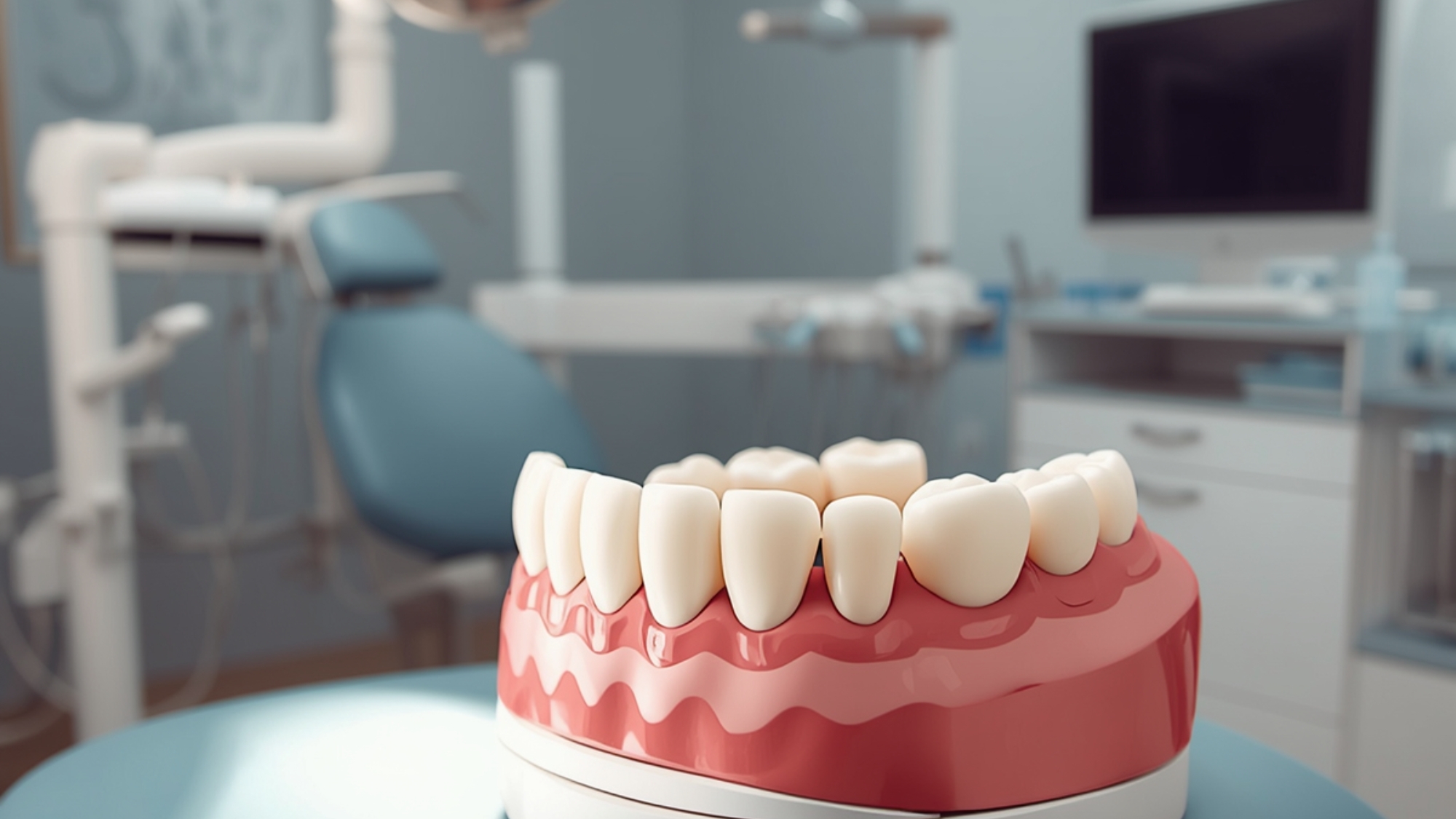
Zirconia caps are tooth-shaped covers made from zirconium dioxide, a strong ceramic material widely used in modern dentistry. They fit over a damaged, weak, or treated tooth to restore its shape, size, and function.
Unlike traditional crowns, zirconia caps contain no metal. This makes them a popular choice for patients who want a natural-looking smile without the risk of metal sensitivity.
According to a 2023 review in the National Library of Medicine, zirconia is now one of the most reliable materials in restorative dentistry due to its durability and biocompatibility.
When Is a Zirconia Cap Recommended?
A dental cap is not always needed for every tooth problem. Your dentist will examine your tooth carefully before suggesting one.
Common situations where a zirconia cap may help:
- After a root canal treatment: A treated tooth becomes more fragile over time. A cap protects it from breaking under chewing pressure.
- For a cracked or broken tooth: When a filling is not enough, a cap covers the entire tooth and prevents further damage.
- For severely worn-down teeth: Grinding or long-term wear can reduce tooth height. A cap restores the natural shape and bite.
- Over a dental implant: Zirconia caps are often used as the visible crown placed on top of an implant.
- For badly discoloured or misshapen teeth: When whitening or veneers are not suitable, a cap can improve the look of the tooth.
Pros of Zirconia Caps
Zirconia has become one of the most preferred materials in modern crown treatment. Here are the main reasons why.
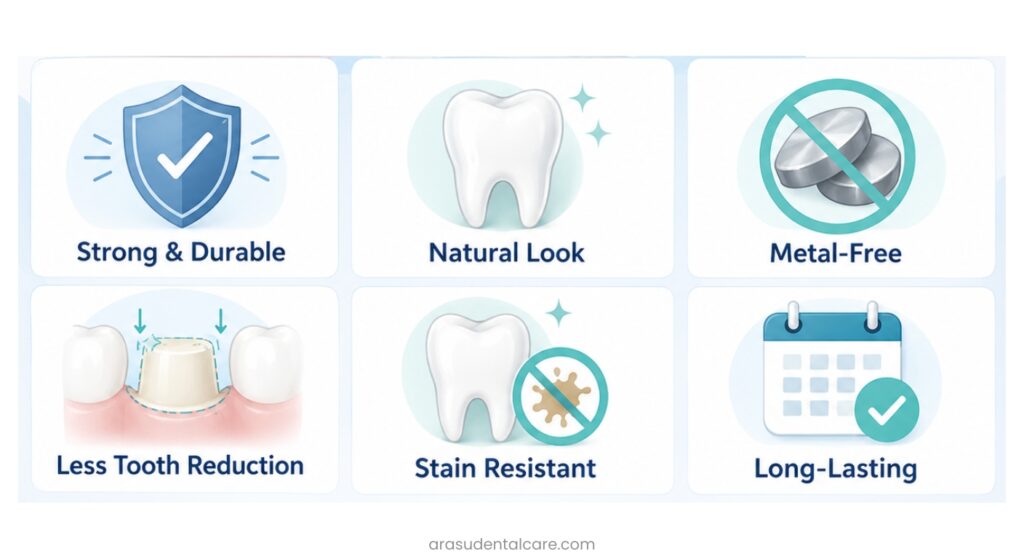
1. Strong and Long-Lasting
Excellent durability: Zirconia is known for its high strength and resistance to chipping. It can handle the daily pressure of chewing, even on back teeth.
Long lifespan: With proper care, zirconia caps may last 10 to 15 years or more, depending on oral hygiene and bite habits.
2. Natural Tooth-Like Appearance
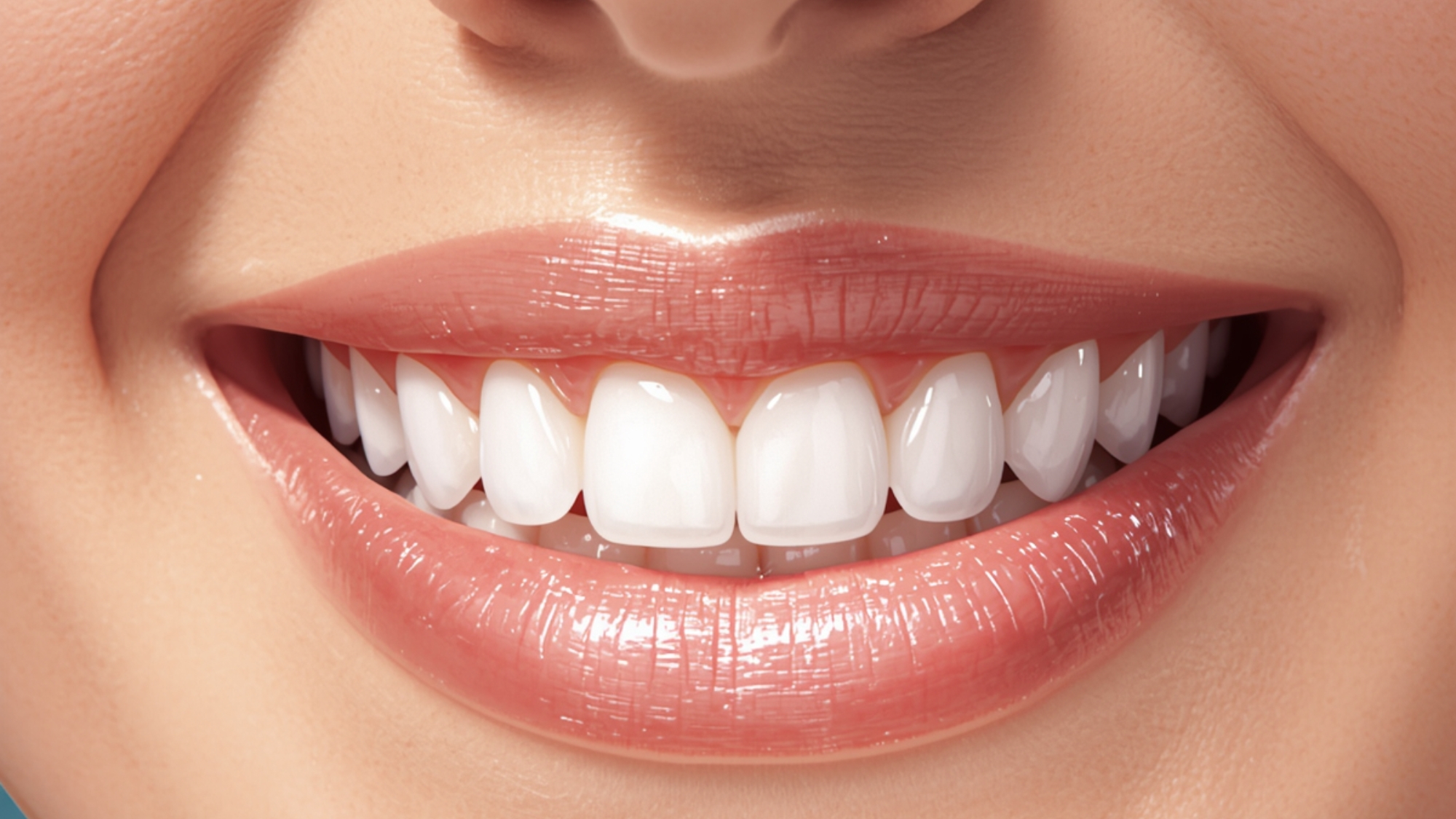
Tooth-coloured finish: Zirconia caps can be shade-matched to blend with your surrounding teeth. This is especially helpful for visible front teeth.
No dark gum line: Unlike metal-based crowns, zirconia caps do not show a grey line near the gums, giving a cleaner appearance.
3. Biocompatible and Metal-Free
Gentle on the body: Zirconia is well tolerated by oral tissues and rarely causes allergic or sensitivity reactions.
Safe for metal-sensitive patients: Since there is no metal in monolithic zirconia, it is a suitable option for people with metal allergies. A 2020 clinical review confirmed its strong biocompatibility profile.
4. Less Tooth Reduction Needed
Minimal trimming: Because zirconia is strong even when thin, your dentist may need to remove less of your natural tooth structure compared to some other crown types.
Better preservation: This helps protect more of your healthy tooth, which is always a long-term advantage.
5. Smooth Surface and Stain Resistance
Easy to clean: The polished surface makes plaque buildup less likely when oral hygiene is maintained.
Resistant to staining: Zirconia does not absorb colour from tea, coffee, or curry the way natural enamel sometimes does.
6. Suitable for Same-Day or Digital Workflows
Modern technology: Many clinics now use CAD/CAM scanning and milling to design zirconia caps with high precision.
Better fit: Digital impressions often improve comfort and reduce the chances of repeated adjustments.
Cons of Zirconia Caps
While zirconia caps offer many advantages, they are not perfect for every situation. It helps to understand the limitations before choosing them.
1. Higher Cost Compared to Other Crowns
More expensive than metal or PFM crowns: Zirconia caps usually cost more because of the material and the technology used to make them.
Insurance coverage may vary: Some dental plans may not fully cover zirconia crowns. It is worth checking with your insurance provider.
2. Aesthetic Limitations in Some Cases
Can look slightly opaque: Older or fully solid zirconia caps may not match the natural translucency of front teeth as closely as porcelain or e.max crowns.
Layered options may help: A porcelain layer on top can improve appearance, but it slightly increases the chance of chipping.
3. May Wear Opposing Teeth
Hardness of the material: Because zirconia is very hard, there has been concern that it could wear down the natural teeth biting against it.
Polish matters: A 2021 clinical study found that well-polished zirconia caused less enamel wear than some porcelain crowns. Proper finishing by the lab is important.
4. Difficult to Repair if Damaged
Cannot be patched easily: If a zirconia cap chips or cracks, it usually needs to be replaced rather than repaired.
Replacement may be needed: This is rare, but something to be aware of in long-term planning.
5. Bonding Can Be More Technique-Sensitive
Needs a skilled dentist: Cementing zirconia properly requires the right protocol. Poor bonding can lead to the cap loosening over time.
Lab quality matters: A well-fitted zirconia cap depends on accurate impressions, good design, and a trusted dental lab.
6. Not Always Ideal for Very Limited Space
Requires enough clearance: In cases where there is very little space between upper and lower teeth, design adjustments may be needed.
Dentist will guide you: A proper examination helps decide if zirconia is suitable for your specific tooth.
Read our latest blog- How are Dental Crowns classified: Procedure and Cost
Zirconia Caps vs Other Crown Options
A short comparison can help you understand where zirconia stands among other common crown materials.
| Crown Type | Strength | Appearance | Metal-Free | Typical Lifespan |
| Zirconia | Very High | Natural | Yes | 10–15+ years |
| PFM (Porcelain-Fused-to-Metal) | High | Good (may show metal line) | No | 5–10 years |
| E.max (Lithium Disilicate) | Moderate–High | Excellent | Yes | 8–12 years |
| Full Metal | Very High | Visible metal | No | 10–15+ years |
The right material depends on the tooth location, your bite, and aesthetic needs. Your dentist will help guide the choice based on a clinical examination.
What to Expect During the Procedure
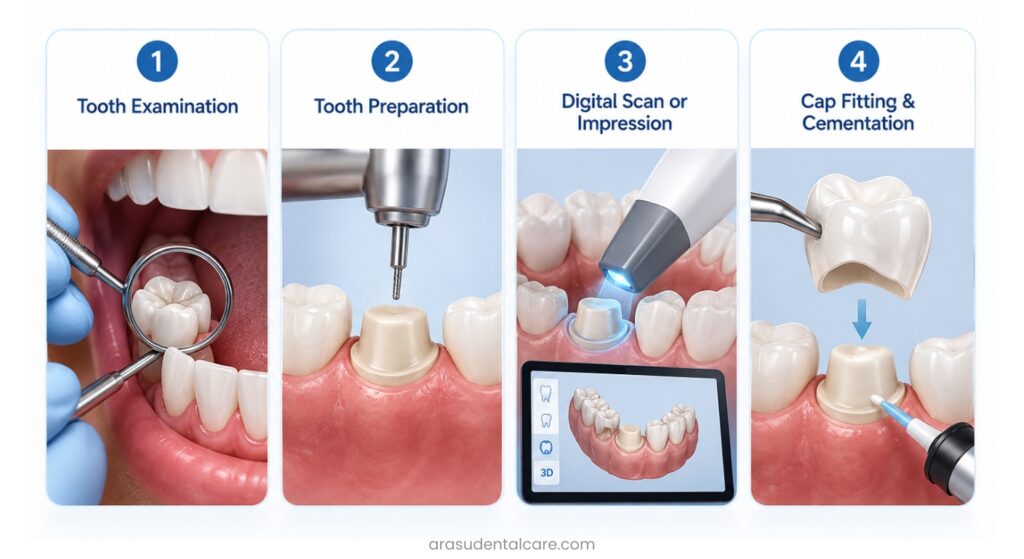
Getting a zirconia cap is generally a comfortable process. It usually involves one or two visits, depending on the technology available at the clinic.
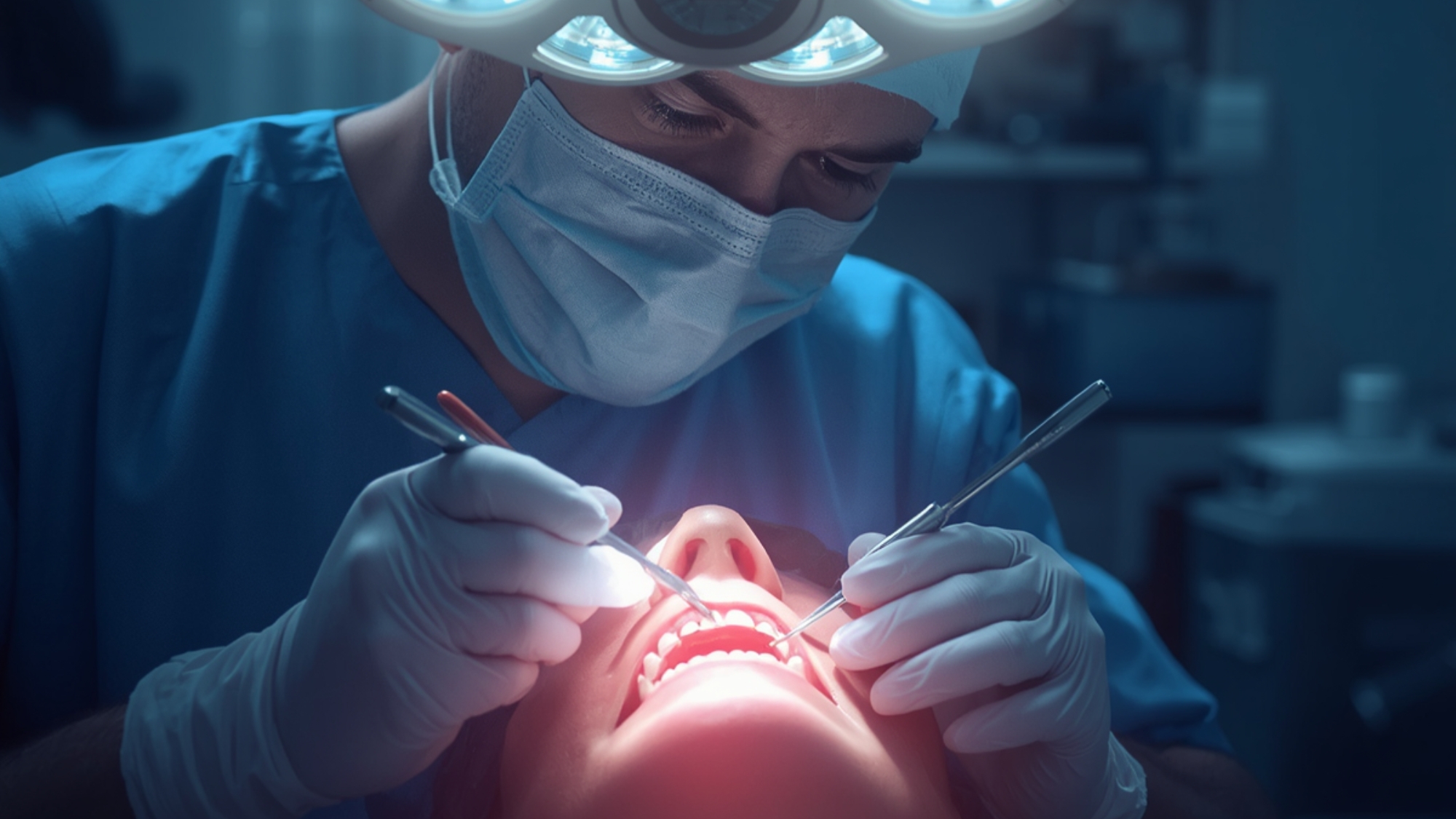
Step 1 – Examination and tooth preparation: The dentist examines the tooth, takes X-rays if needed, and gently shapes the tooth to make space for the cap.
Step 2 – Impressions or digital scan: A traditional impression or a digital scan is taken to design the crown accurately.
Step 3 – Temporary crown (if required): A temporary cap may be placed while the permanent zirconia cap is being made.
Step 4 – Fitting and cementation: Once ready, the zirconia cap is checked for fit, bite, and shade, then bonded onto the tooth.
Most patients report that the procedure feels similar to getting a regular filling, with little to no discomfort.
Caring for Your Zirconia Cap
Although zirconia is strong, good habits help your cap last longer and keep your natural tooth healthy underneath.
Brush twice a day: Use a soft-bristled brush and fluoride toothpaste to keep the cap and surrounding gums clean.
Floss daily: Cleaning between teeth prevents decay around the edges of the crown, where bacteria can collect.
Avoid biting hard objects: Chewing ice, pens, or hard nuts can damage even strong materials over time.
Use a night guard if you grind: If you clench or grind your teeth at night, a custom night guard can protect the cap from extra pressure.
Visit your dentist regularly: A check-up every six months helps catch small issues early and keeps your cap in good condition.
When to See a Dentist
If you have a broken tooth, deep cavity, or recent root canal, a dental visit can help decide whether a cap is needed. You should also see a dentist if:
- An existing crown feels loose or sensitive
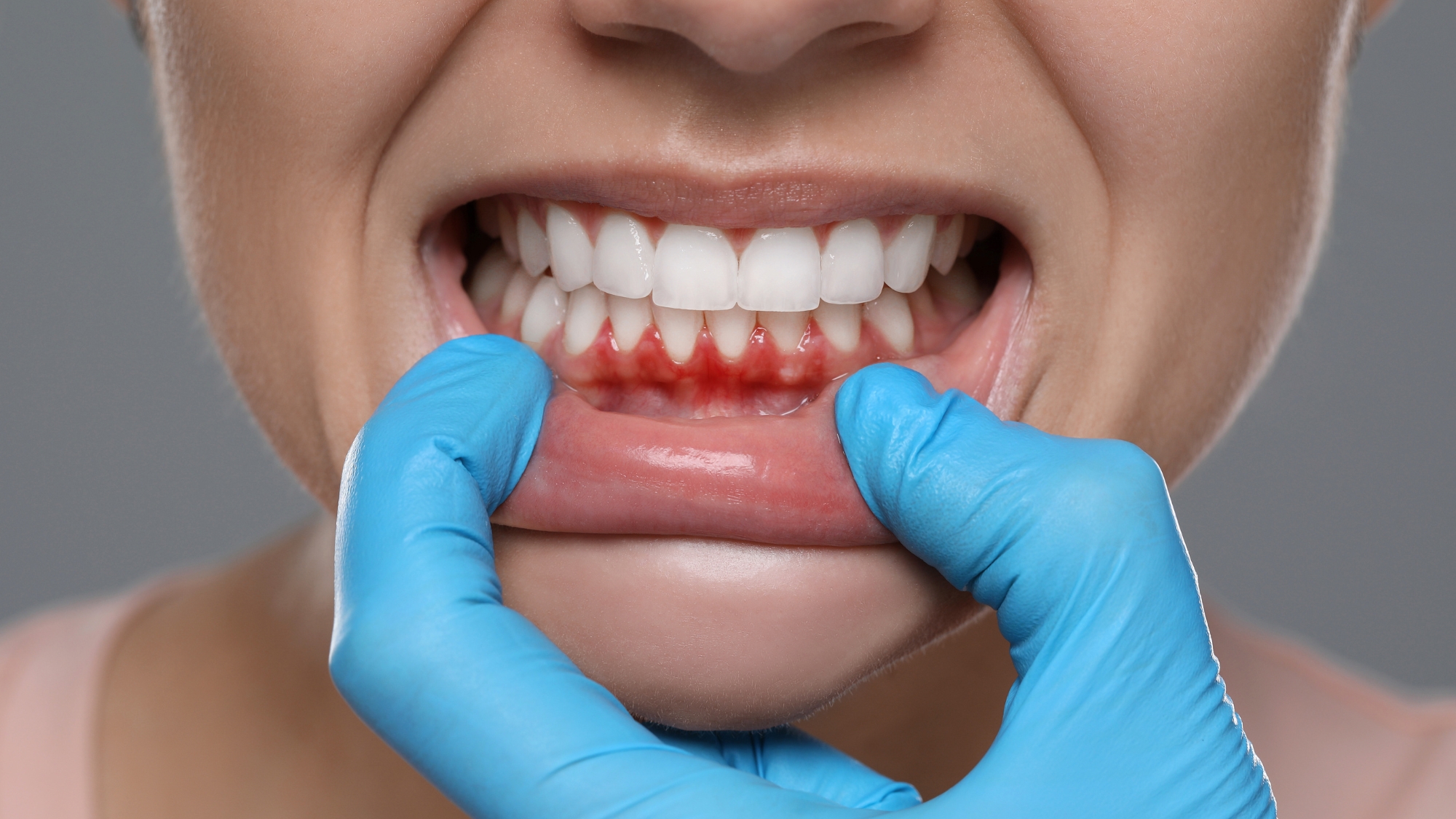
- You notice gum swelling around a capped tooth
- The cap chips, cracks, or comes off
- You feel pain while chewing on a treated tooth
Early evaluation often prevents bigger problems later.
Final Thoughts
Zirconia caps are one of the strongest and most aesthetically pleasing crown options available in dentistry today. Their combination of durability, natural appearance, and metal-free composition makes them a well-rounded choice for a wide range of patients. That said, they are not the right fit for every situation — the tooth location, available space, bite strength, and budget all play a role in deciding whether zirconia is the best material for your crown.
If you have a damaged, cracked, or root canal-treated tooth that needs a cap, getting it assessed early gives you more options and protects the remaining tooth structure from further harm.
At Arasu Dental Care in Coimbatore, we work with high-quality zirconia crowns crafted with precision to ensure a natural fit, a comfortable bite, and a lasting result. Our team will evaluate your tooth thoroughly and help you decide whether zirconia — or another crown material — is the right choice for your specific case. Book a consultation with us today and take a confident step towards restoring your smile.
Frequently Asked Questions
1. Are zirconia caps better than metal crowns?
Zirconia caps are metal-free, more aesthetic, and generally well tolerated. Metal crowns are very strong but may show a grey line near the gums. The right choice depends on the tooth location and your needs.
2. How long do zirconia caps last?
With proper care, zirconia caps can last 10 to 15 years or more. Longevity depends on oral hygiene, bite force, and regular dental check-ups.
3. Do zirconia caps look natural?
Yes, modern zirconia caps can closely match the colour and shape of natural teeth. Multilayer or translucent zirconia is often used for front teeth to improve appearance.
4. Are zirconia caps safe for everyone?
Zirconia is biocompatible and rarely causes allergic reactions. It is considered safe for most patients, including those with metal sensitivity. A dental examination can confirm suitability.
5. Are zirconia caps suitable for both front and back teeth?
Yes, zirconia caps work well for both front and back teeth. For back teeth, their high strength makes them ideal for handling heavy chewing pressure. For front teeth, high-translucency zirconia or layered zirconia options offer a more natural appearance that blends well with surrounding teeth.
6. How long do zirconia caps last?
With proper care and good oral hygiene, zirconia caps can last 10 to 15 years or more. Their lifespan depends on factors such as bite habits, whether you grind your teeth, the quality of the dental lab, and how well the cap is maintained.
7. Do zirconia caps feel different from natural teeth?
Most patients adjust to their zirconia cap within a few days and find it feels very similar to a natural tooth. There may be mild sensitivity immediately after placement, but this usually settles quickly.
8. Is getting a zirconia cap painful?
The procedure is carried out under local anaesthesia, so you should not feel pain during tooth preparation or cap placement. Mild sensitivity or gum tenderness in the days following the procedure is normal and typically resolves on its own.