Dental crowns are tooth-shaped caps that cover a damaged, weak, or decayed tooth to restore its shape, strength, and appearance. They are one of the most common restorative treatments in modern dentistry and are classified based on the material used, the duration of use, and the area of the tooth they cover.
If your dentist has suggested a crown, it is natural to wonder about the types available, how the procedure works, and what it may cost. This guide explains everything in simple terms so you can make an informed decision with confidence.
At Arasu Dental Care, we believe patients deserve clear information before any treatment. Understanding how dental crowns are classified helps you choose the option that suits your tooth condition, budget, and long-term comfort.
What Is a Dental Crown?
A dental crown is a custom-made cap that fits over the visible part of a tooth above the gum line. It protects the natural tooth underneath while restoring its normal function and appearance.
Crowns are commonly recommended after root canal treatment, for cracked teeth, or for teeth weakened by large fillings. They can also be placed over dental implants or used to support a dental bridge.
According to the American Dental Association, crowns are considered a long-term restorative solution when properly fitted and maintained.
When Is a Dental Crown Needed?
A dentist may recommend a crown in several situations. The decision depends on the condition of the tooth and how much natural structure is left.
Protecting a weak tooth: Teeth weakened by decay or cracks need extra support to prevent further breakage. A crown holds the tooth together and reduces the risk of fracture.
Restoring a broken or worn tooth: When a tooth is chipped, broken, or worn down due to grinding, a crown can rebuild its original shape and function.
Covering a root canal-treated tooth: After a root canal, the tooth becomes more fragile. A crown protects it from breaking under chewing pressure.
Supporting a dental bridge: Crowns are placed on the teeth next to a missing tooth to anchor a bridge securely in place.
Covering a dental implant: A crown is fixed on top of an implant to replace a missing tooth and restore natural function.
Improving appearance: Crowns can also cover discolored, misshapen, or unevenly sized teeth for a more uniform smile.
How Are Dental Crowns Classified?
Dental crowns are mainly classified in three ways: by material, by duration of use, and by coverage area. Each classification helps the dentist choose the most suitable option for the patient.
1. Classification Based on Material
The material of a crown affects its strength, appearance, durability, and cost. Below are the most common types used today.
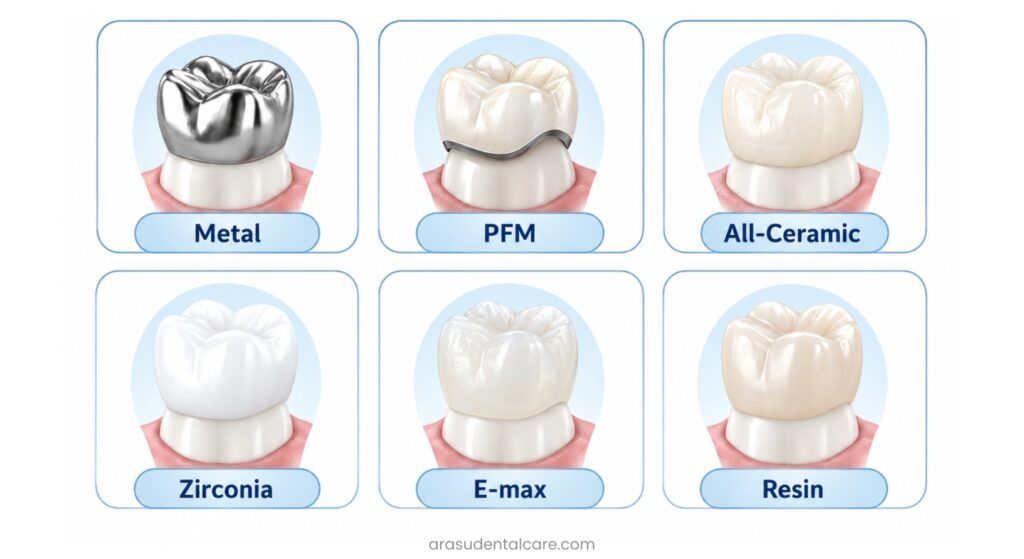
Metal Crowns: Made from gold, palladium, nickel, or chromium alloys, metal crowns are extremely strong and long-lasting.They rarely chip and require minimal tooth reduction, making them a good choice for back molars where appearance is less of a concern.
Porcelain-Fused-to-Metal (PFM) Crowns: These crowns combine a metal base for strength with a porcelain outer layer for a tooth-like appearance.They offer a balance of durability and aesthetics, though a thin dark line may sometimes appear at the gum edge over time.
All-Ceramic or All-Porcelain Crowns: These crowns provide the most natural appearance and are ideal for front teeth.They are also a good option for patients with metal sensitivities, although they may be slightly less durable than metal-based crowns.
Zirconia Crowns: Made from zirconium dioxide, these crowns are highly durable, biocompatible, and aesthetically pleasing.Zirconia is one of the strongest ceramic materials used in dentistry today and works well for both front and back teeth.
Lithium Disilicate (E-max) Crowns: Known for their excellent translucency and strength, these crowns are popular in cosmetic dentistry.They closely mimic the appearance of natural enamel, making them a preferred choice for visible front teeth.
Resin Crowns: Resin crowns are more affordable but less durable than other types. They are often used as temporary crowns or for short-term restorations.
2. Classification Based on Duration of Use
Crowns can be either temporary or permanent depending on the stage of treatment.
Temporary Crowns: These are placed over the prepared tooth while the permanent crown is being made in the lab.They are usually made of acrylic or composite material and are not designed for long-term use.
Permanent Crowns: These are custom-made and bonded to the tooth using strong dental cement.With proper care, permanent crowns can last anywhere between 10 and 15 years or longer.
3. Classification Based on Tooth Coverage
Crowns can also be classified based on how much of the tooth they cover.
Full Crowns: A full crown covers the entire visible portion of the tooth.This is the most common type used when significant tooth structure has been lost.
Three-Quarter (3/4) Crowns: These cover most of the tooth but leave one surface, usually the front, untouched.They are more conservative and are used when the front of the tooth is still healthy.
Onlays (Partial Crowns): Onlays cover only the chewing surface and one or more cusps of a tooth.They are a good middle option between fillings and full crowns when damage is moderate.
According to a Cochrane Review on tooth restorations, the choice between a full crown and a partial restoration should depend on the remaining tooth structure and patient-specific factors.
The Dental Crown Procedure: Step by Step
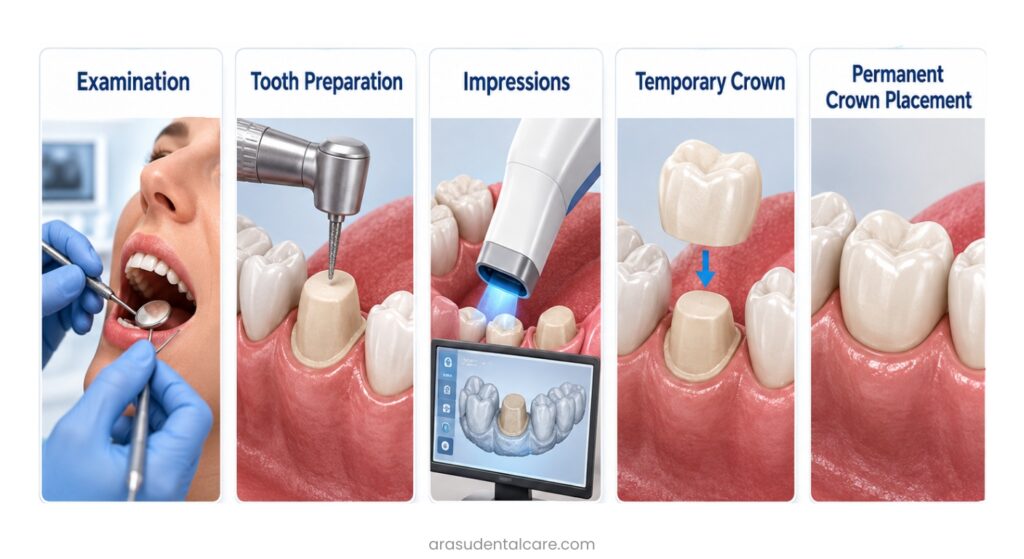
The dental crown procedure usually takes two visits, although same-day crowns are now available with CAD/CAM technology.
Step 1: Examination and Tooth Preparation
The dentist examines the tooth and may take X-rays to check the roots and surrounding bone.The tooth is then reshaped by removing a small layer of enamel to make space for the crown.
Step 2: Taking Impressions
A digital scan or putty impression is taken of the prepared tooth and the opposing teeth.This ensures the new crown fits perfectly with your bite and matches your natural teeth.
Step 3: Temporary Crown Placement
A temporary crown is placed over the prepared tooth to protect it while the permanent crown is being made.This usually takes 7 to 14 days in a dental laboratory.
Step 4: Fitting the Permanent Crown
During the second visit, the temporary crown is removed and the permanent crown is checked for fit, color, and bite.Once everything is right, it is bonded in place with dental cement.
Step 5: Same-Day Crowns (CAD/CAM)
Some clinics use computer-aided design and manufacturing technology to create crowns within a single appointment. This option saves time but may not be suitable for every case.
Dental Crown Cost: What Affects the Price?
The cost of a dental crown can vary based on several factors. Understanding these helps you plan your treatment without surprises.
Material of the crown: Zirconia and E-max crowns are usually more expensive than metal or PFM crowns due to their aesthetic and durability advantages.
Tooth location and condition: Crowns for front teeth may need more aesthetic work, while severely damaged teeth may require additional treatment such as a root canal treatment or post and core.
Technology used: Clinics that use digital scanning and CAD/CAM technology may charge slightly more, but offer better accuracy and faster turnaround.
Dentist’s expertise: A trained prosthodontist or experienced dentist may charge more, but the precision and longevity of the crown often justify the cost.
Lab quality: Crowns made in advanced dental labs with high-grade materials tend to last longer and look more natural.
In India, dental crown costs can range from approximately ₹3,000 for basic metal crowns to ₹15,000 or more for premium zirconia or E-max crowns. The exact price depends on the clinic and individual case.
For accurate pricing based on your dental needs, a consultation is the best way to get a clear estimate.
Aftercare Tips to Make Your Crown Last Longer
Taking proper care of your crown helps it last for many years. Good habits also protect the natural tooth underneath.
Brush twice daily: Use a soft-bristled brush and fluoride toothpaste to keep the crown and surrounding gums healthy.This prevents plaque buildup at the gum line where decay can still occur.
Floss carefully: Clean between your teeth daily, especially around the crown margins.Slide the floss out gently rather than snapping it upward to avoid loosening the crown.
Avoid hard and sticky foods: Chewing ice, hard candies, or sticky sweets can chip or dislodge the crown.Be mindful of foods that put excess pressure on the restored tooth.
Wear a night guard if needed: If you grind your teeth at night, a custom mouth guard protects both the crown and your natural teeth.Your dentist can recommend one based on your case.
Visit your dentist regularly: Routine check-ups every six months help detect any early issues with the crown or surrounding teeth.Professional cleanings also keep your gums healthy and reduce decay risk.
Possible Issues with Dental Crowns
While crowns are generally safe and reliable, some minor issues can occur.
Sensitivity: Mild sensitivity to hot or cold may occur in the first few weeks after placement.
Loose crown: Sometimes the cement washes out, making the crown feel loose. A dental visit can fix this easily.
Chipped crown: Porcelain or ceramic crowns may chip under heavy biting force. Small chips can often be polished or repaired.
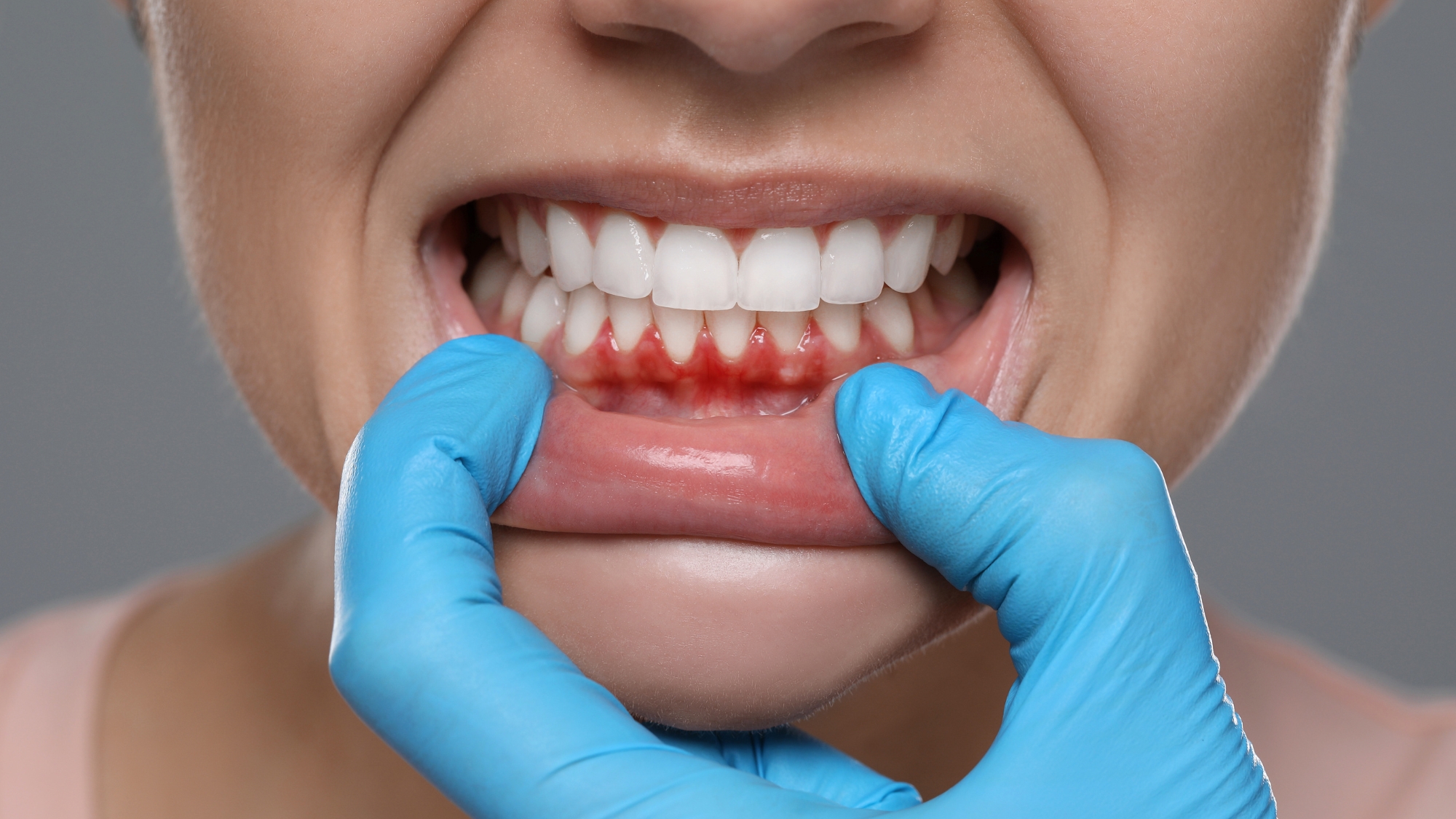
Gum irritation: Mild gum tenderness around the crown is usually temporary. Persistent discomfort should be checked by your dentist.
Final Thoughts
Dental crowns are one of the most versatile and reliable restorations in modern dentistry. Whether you need a strong metal crown for a back molar, a natural-looking zirconia crown for a visible tooth, or a temporary crown while your permanent one is being made, understanding the options helps you make a confident and informed choice. The right crown for your tooth depends on several individual factors that only a proper clinical examination can determine.
If you have a cracked, weakened, or root canal-treated tooth that needs protection, do not delay getting it assessed. A well-fitted crown placed at the right time can save your tooth and spare you from more complex treatment later.
At Arasu Dental Care in Coimbatore, we offer a full range of crown options — from durable metal and PFM crowns to premium zirconia and E-max restorations — tailored to your dental needs and budget. Our team will guide you through the decision clearly and honestly, with no unnecessary upselling. Book a consultation with us today and take the first step towards restoring your tooth the right way.
Frequently Asked Questions
1. How long does a dental crown last?
On average, dental crowns last between 10 and 15 years. With proper care and regular dental visits, some crowns can last even longer.
2. Is the dental crown procedure painful?
The procedure is performed under local anesthesia, so it is not painful. Mild sensitivity may occur for a few days after the crown is placed.
3. Which type of dental crown is best?
There is no single “best” crown for everyone. The right choice depends on the tooth location, your bite, aesthetic needs, and budget.Your dentist can guide you based on your specific case.
4. How do I know which type of dental crown is right for me?
The right crown depends on the location of the tooth, how much natural tooth structure remains, your bite strength, and your aesthetic expectations.
5. How many visits does it take to get a dental crown?
In most cases, a dental crown requires two visits. The first visit involves tooth preparation, impressions, and temporary crown placement. The permanent crown is fitted during the second visit, usually one to two weeks later.
6. Will my crown look natural?
Yes, modern crowns — especially zirconia and E-max — are designed to closely mimic the colour, translucency, and shape of natural teeth. Your dentist will match the crown shade to your surrounding teeth so that it blends seamlessly.
7. Can I eat normally with a dental crown?
Once your permanent crown is bonded in place, you can eat normally. However, it is best to avoid very hard foods like ice or hard candies, and sticky foods that could put excess stress on the crown.
8. What should I do if my crown feels loose or falls off?
Contact your dentist as soon as possible. Do not try to re-cement it yourself. Keep the crown safe and avoid chewing on that side.