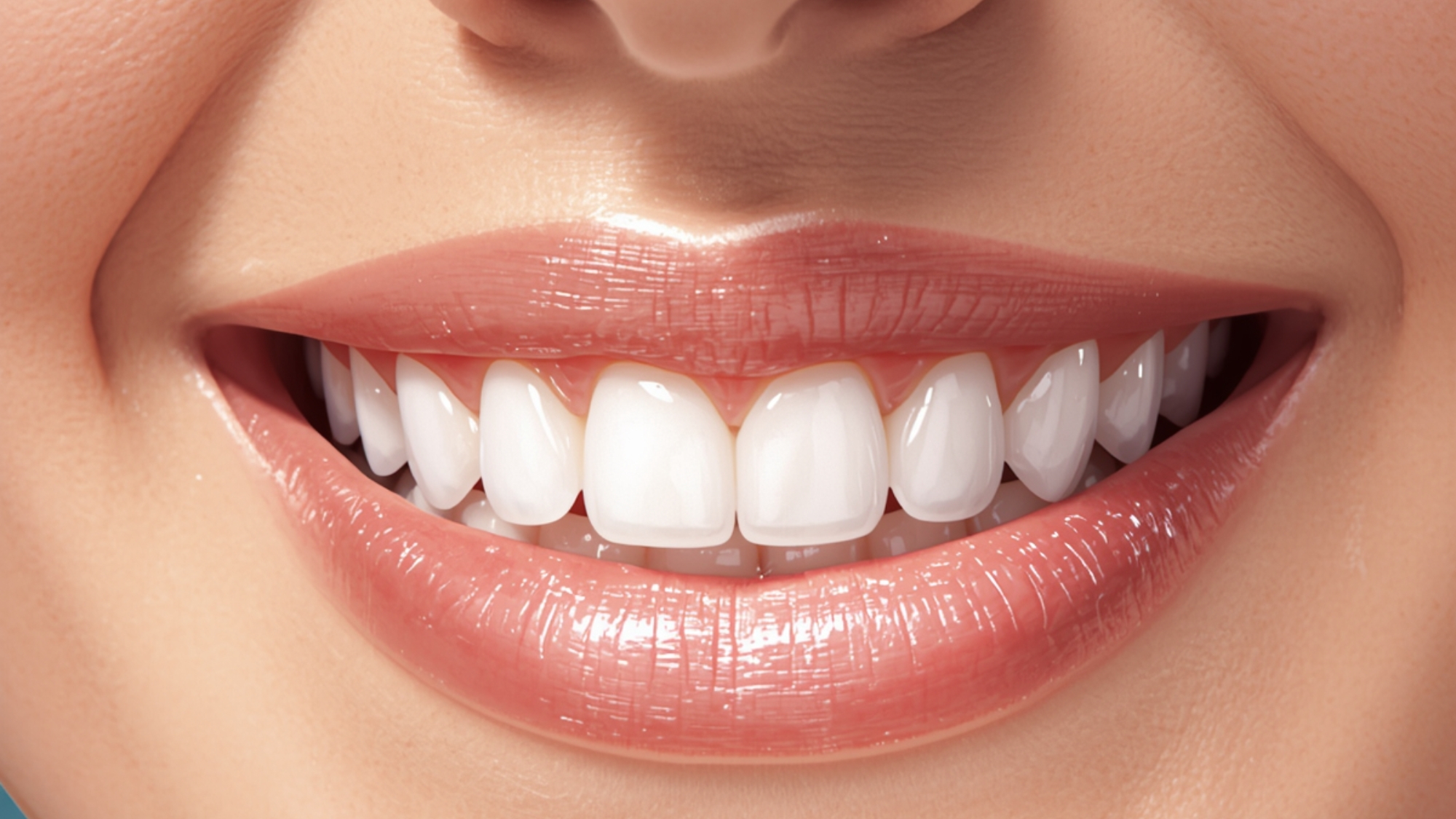
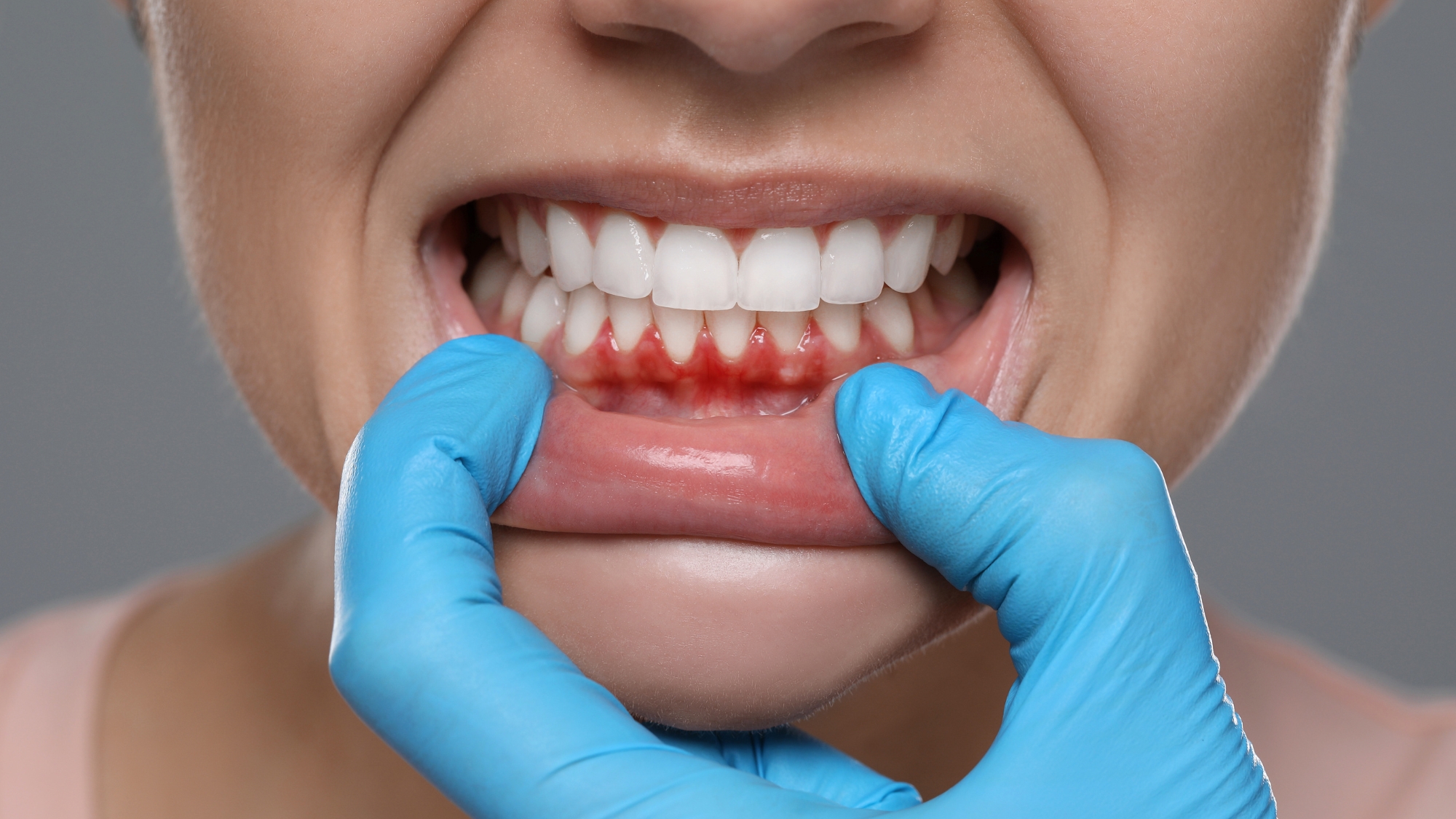
A beautiful smile is not only about white, straight teeth. The shape and balance of your gums also play a major role in how your smile looks.
If your gums appear too high, too low, or uneven, gum contouring can help bring back symmetry and confidence. It is a simple cosmetic dental procedure that gently reshapes the gum line for a more even, healthy-looking smile.
Many people choose this treatment to fix a “gummy smile” or improve gum balance after braces. In some cases, it also supports better oral hygiene by removing tissue where bacteria can hide.
This guide explains what gum contouring is, how it works, who needs it, and what to expect during recovery.
What Is Gum Contouring?
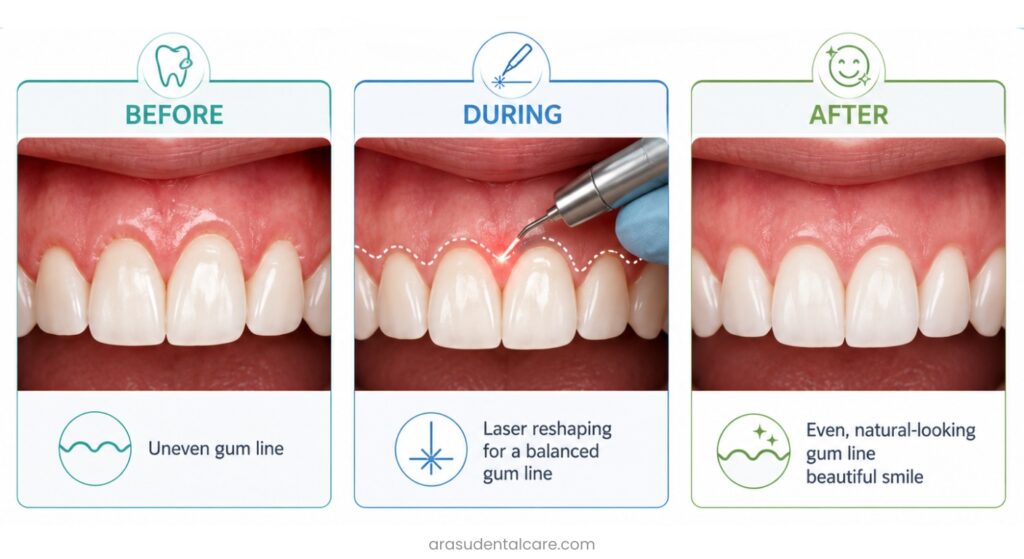
Gum contouring, also called gum reshaping or gingival sculpting, is a dental procedure that changes the shape of your gum line. A dentist or periodontist either removes extra gum tissue or restores gum where it has receded.
The goal is to create a balanced gum-to-tooth ratio that makes your smile look natural and uniform. According to the American Academy of Periodontology, the procedure is commonly used for both cosmetic improvement and gum health support.
It is usually done in a single visit and is considered minimally invasive when performed with modern dental lasers.
Signs You May Benefit From Gum Contouring
Not everyone needs gum reshaping, but certain signs may indicate that it could help improve your smile or oral comfort.
- Gummy smile: Your teeth look short because the gums cover too much of the tooth surface. This often makes the smile feel less balanced even when the teeth are healthy.
- Uneven gum line: Some gums sit higher and others lower, creating an irregular look. This can make even well-aligned teeth appear crooked or mismatched.
- Gum overgrowth after braces: Orthodontic treatment sometimes causes the gum tissue to grow slightly over the teeth. Contouring can help restore the natural shape after braces are removed.
- Receding gums: When the gum line pulls back, the teeth look longer than usual. This can also expose the tooth root and increase sensitivity.
- Discomfort from excess gum tissue: Extra tissue can trap food and bacteria, leading to irritation. Reshaping helps create a cleaner, easier-to-maintain gum line.
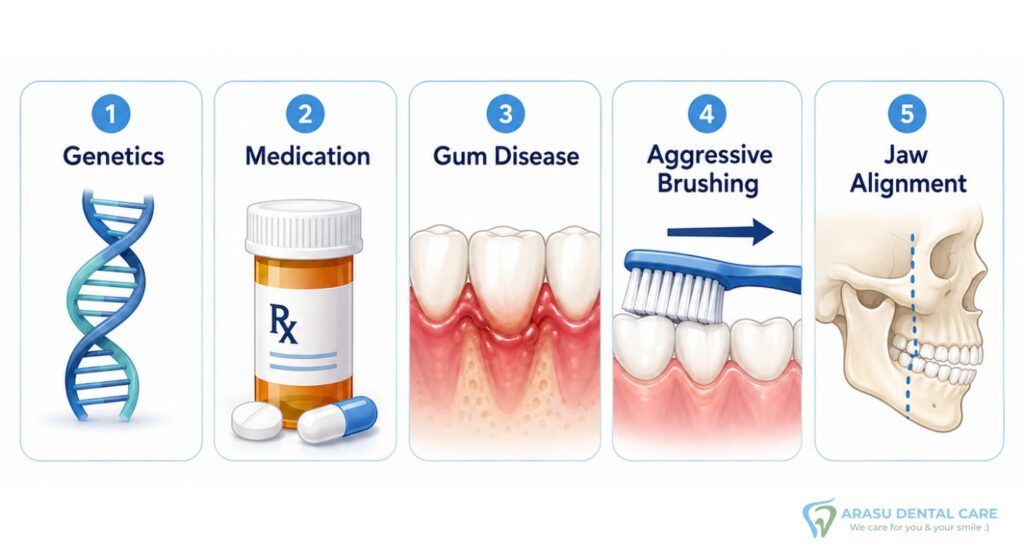
What Causes Uneven or Excess Gums?
Understanding the cause of gum imbalance helps your dentist choose the right treatment approach.
- Genetics: Some people are naturally born with thicker or higher gum tissue. This is often the most common reason behind a gummy smile.
- Certain medications: Drugs used for blood pressure, seizures, or immune conditions can cause gum overgrowth. A dental review can help identify if medication is contributing to the issue.
- Gum disease: Periodontal infection can damage the gum and bone, leading to recession. Treating the disease must come first before any cosmetic step.
- Aggressive brushing: Brushing too hard or with a hard-bristled brush can wear down gum tissue over time. This often results in visible gum recession.
- Misaligned bite or jaw position: When the upper jaw develops slightly more than usual, more gum tissue may show while smiling. In such cases, a combined treatment plan may be needed.
How Gum Contouring Works: The Procedure Step by Step
Gum contouring is usually a one-visit procedure done in the dental clinic. Here is what happens during the treatment.
Step 1: Consultation and Smile Analysis
Your dentist first studies your smile, gum-to-tooth ratio, lip position, and facial balance. Photos or digital scans may be taken to plan the new gum line.
This step ensures that the final shape looks natural and suits your face. A complete oral examination is also done to rule out cavities or gum disease.
Step 2: Local Anesthesia
A local numbing gel and injection are used to make the gums fully comfortable. You will feel pressure but no pain during the procedure.
For nervous patients, mild sedation options may also be discussed during the consultation.
Step 3: Marking the New Gum Line
The dentist uses a fine surgical pen to outline the new gum shape. This visual map helps achieve symmetry on both sides of the smile.
You may be shown the design before treatment begins so you can approve the look.
Step 4: Reshaping the Gums
Excess tissue is gently removed using either a soft-tissue laser or a fine surgical instrument. Laser gum contouring is often preferred because it reduces bleeding and speeds healing.
In some cases, a small amount of bone under the gum may also be reshaped to prevent regrowth.
Step 5: Final Polish and Recovery Instructions
The new gum line is smoothened and checked for balance. Your dentist will then guide you on how to care for the area during healing.
The whole process usually takes between 30 minutes and 2 hours, depending on how many teeth are involved.
Benefits of Gum Contouring
Gum contouring offers both cosmetic and functional advantages when done by an experienced dental team.
- Balanced and uniform smile: The treatment evens out the gum line so the teeth appear proportionate. This often gives an instant lift to your overall smile.
- Improved confidence: Many patients feel more comfortable smiling and speaking after the procedure. A study published in the Journal of Indian Society of Periodontology notes that gum aesthetics strongly affect self-perception.
- Easier oral hygiene: Removing extra gum pockets reduces areas where plaque and bacteria can build up. This may lower the risk of gum disease over time.
- Long-lasting results: In most cases, gum contouring offers permanent results, especially when proper bone shaping is included. Regrowth is uncommon when the procedure is done correctly.
- Supports other cosmetic treatments: Gum reshaping often complements veneers, crowns, or smile makeovers. It helps create the right frame for restorations to look natural.
What to Expect During Recovery
Healing after gum contouring is generally smooth and quick, especially with laser-based procedures.
- Mild soreness for a few days: You may feel slight tenderness or swelling for two to three days. Over-the-counter pain relievers usually manage this well.
- Soft food diet: Stick to soft, cool foods like yogurt, soup, eggs, and smoothies for the first few days. Avoid spicy, crunchy, or seeded foods that can irritate the gums.
- Gentle oral care: Brush carefully around the treated area and use any prescribed antibacterial mouthwash. Your dentist will guide you on when to return to regular brushing.
- Avoid heavy exercise: Skip the gym and physical activity for about five days. This helps prevent swelling and supports healing.
- Follow-up visit: Most patients have a check-up one week later to confirm proper healing. Complete healing may take one to a few weeks depending on the case.
Risks and Considerations
Gum contouring is generally safe, but like all dental procedures, it has a few possible considerations.
- Mild bleeding or swelling: This is normal in the first 24 hours and usually settles quickly. Cold compresses can help manage discomfort.
- Temporary sensitivity: The newly exposed tooth area may feel slightly sensitive to hot or cold. This usually fades within a few weeks.
- Rare infection risk: Good oral hygiene and following aftercare instructions almost always prevent this. Antibiotics may be prescribed if needed.
- Possibility of gum regrowth: In a few cases, gum tissue may slightly grow back, especially if bone reshaping was not included. Your dentist will assess whether this step is needed for long-term results.
Who Is a Good Candidate for Gum Contouring?
Not everyone needs this treatment, and a few conditions must be met before going ahead.
- Good overall oral health: You should not have active cavities or untreated gum disease. These conditions need to be managed first.
- Healthy bone support: Your dentist will check the bone around your teeth to ensure stable results. Strong bone helps prevent regrowth.
- Realistic expectations: Gum contouring improves the gum line but does not change tooth shape or color. Other treatments like veneers may be needed for a full smile makeover.
- Non-smokers or willing to pause smoking: Smoking can slow healing and increase infection risk. A short break around the procedure is often advised.
A dental consultation is the best way to know if the treatment suits your individual case.
Gum Contouring vs Gum Grafting: What’s the Difference?
These two treatments are often confused but serve different purposes.
- Gum contouring: Removes extra gum tissue to expose more of the tooth. It is mostly used for gummy smiles or uneven gum lines.
- Gum grafting: Adds tissue to areas where the gums have receded. It is used to protect exposed roots and reduce sensitivity.
Your dentist may recommend one or both depending on your specific needs. According to the Cleveland Clinic, combining cosmetic dental treatment and restorative approaches often gives the most natural result.
When to See a Dentist
If you feel self-conscious about your gum line or notice any changes in your gum health, a dental consultation is the right next step. Early evaluation helps identify whether the issue is cosmetic, medical, or both.
You should also see a dentist if you have bleeding gums, recession, or swelling, as these may need treatment before contouring. A proper examination ensures the safest and most lasting outcome.
Final Thoughts
Gum contouring is a simple, effective procedure that can make a remarkable difference to the way your smile looks and feels. Whether you are dealing with a gummy smile, an uneven gum line, or excess tissue that makes oral hygiene difficult, reshaping the gum line can bring balance, confidence, and long-lasting results. Like any dental treatment, the right approach depends on the underlying cause and the condition of your gums and bone — which is why a proper clinical assessment always comes first.
If you have been feeling self-conscious about your gum line or have noticed changes in your gum health, do not put off getting it evaluated. Early attention often means a simpler procedure and a more predictable outcome.
At Arasu Dental Care in Coimbatore, our team combines careful smile analysis with precise, modern techniques to deliver gum contouring results that look natural and last. Whether you need a minor reshaping or a more comprehensive smile makeover, we are here to guide you every step of the way. Book a consultation with us today and take the first step towards a more balanced, confident smile.
Frequently Asked Questions
1. Is gum contouring painful?
The procedure itself is not painful because local anesthesia is used to numb the area. You may feel mild soreness for a couple of days afterward, which can be managed with simple pain relievers.
2. How long does gum contouring last?
In most cases, the results are long-lasting or permanent. Proper aftercare and good oral hygiene help maintain the new gum shape for many years.
3. Can gum contouring fix a gummy smile completely?
Yes, in many cases gum contouring is the main treatment for a gummy smile. However, some patients may also need lip repositioning or orthodontic care depending on the cause.
4. How long does it take to heal after gum contouring?
Most people recover within one week. Complete tissue healing may take a few weeks, depending on how much reshaping was done.
5. Are the results of gum contouring permanent?
In most cases, yes. When the procedure is performed correctly and includes reshaping of the underlying bone where necessary, the results are long-lasting and gum regrowth is uncommon.
6. How long does it take to recover from gum contouring?
Most patients feel significantly better within three to five days. The gum tissue typically heals fully within one to three weeks, depending on the extent of the procedure.
7. Can gum contouring be combined with other cosmetic dental treatments?
Yes, and it often is. Gum contouring is frequently performed alongside veneers, crowns, teeth whitening, or a full smile makeover to create a complete, natural-looking result.
8. Will my gums bleed after the procedure?
Some mild bleeding immediately after the procedure is normal, particularly with traditional surgical contouring. Laser gum contouring significantly reduces bleeding because the laser seals the tissue as it works.