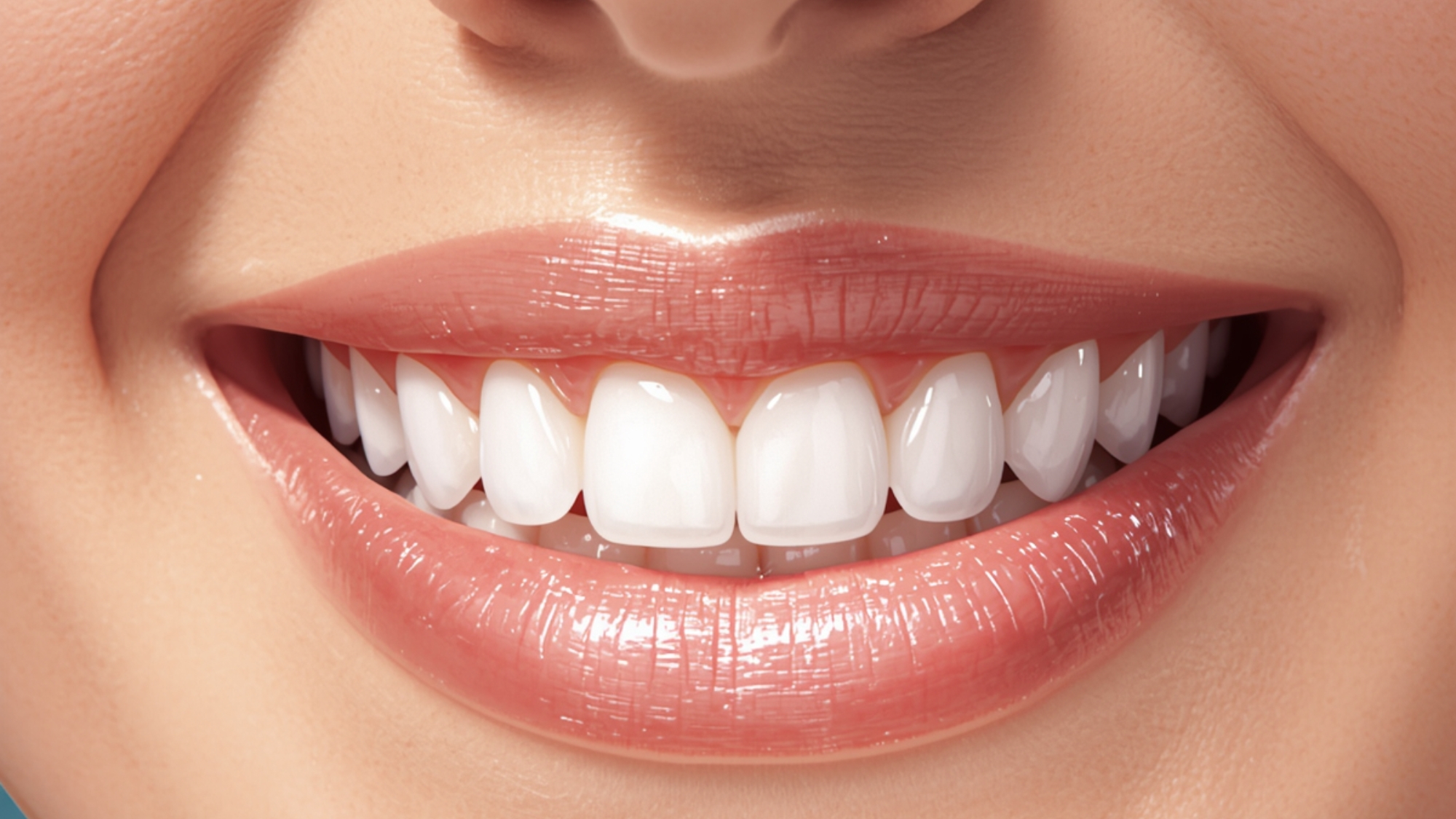
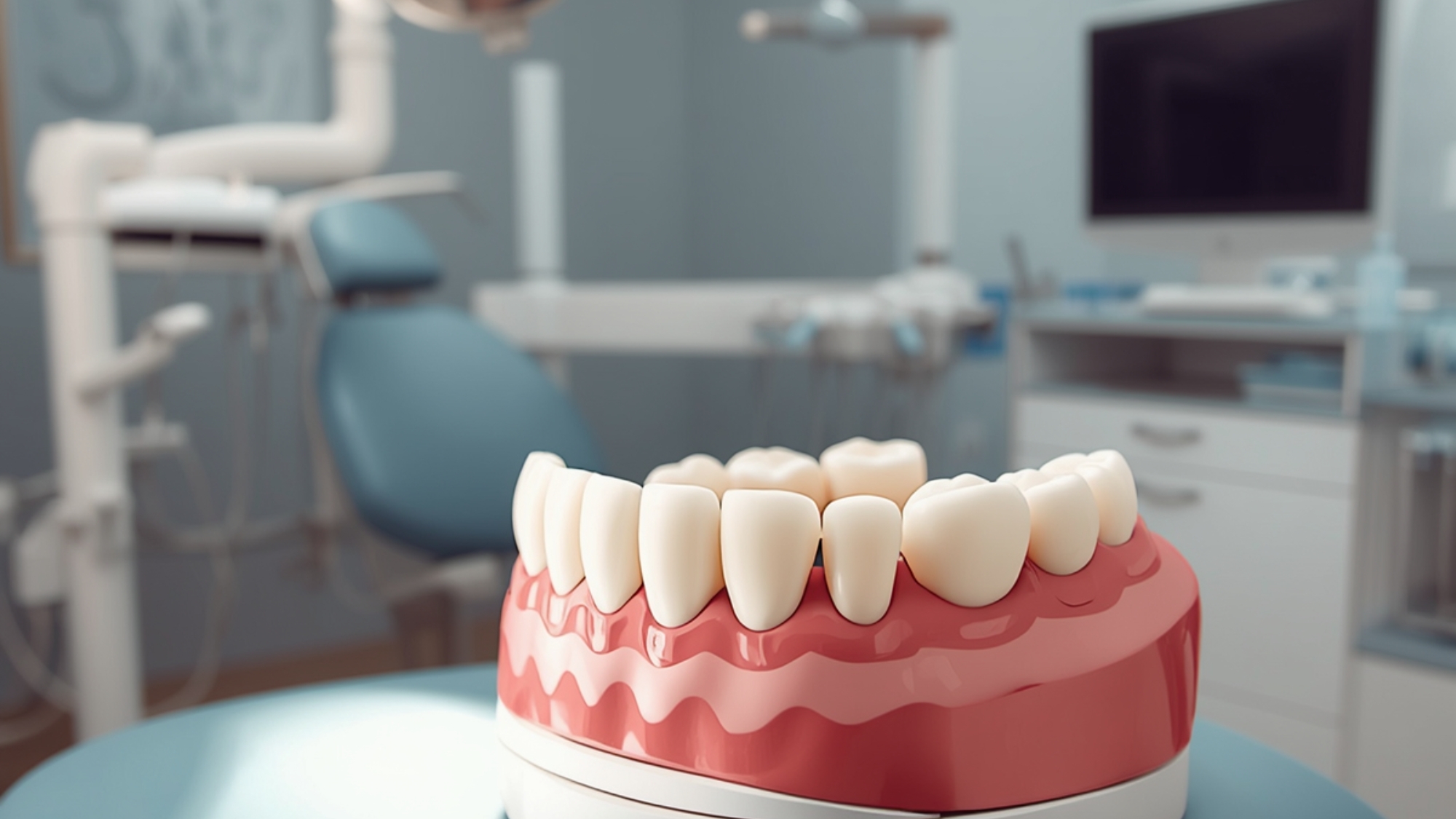
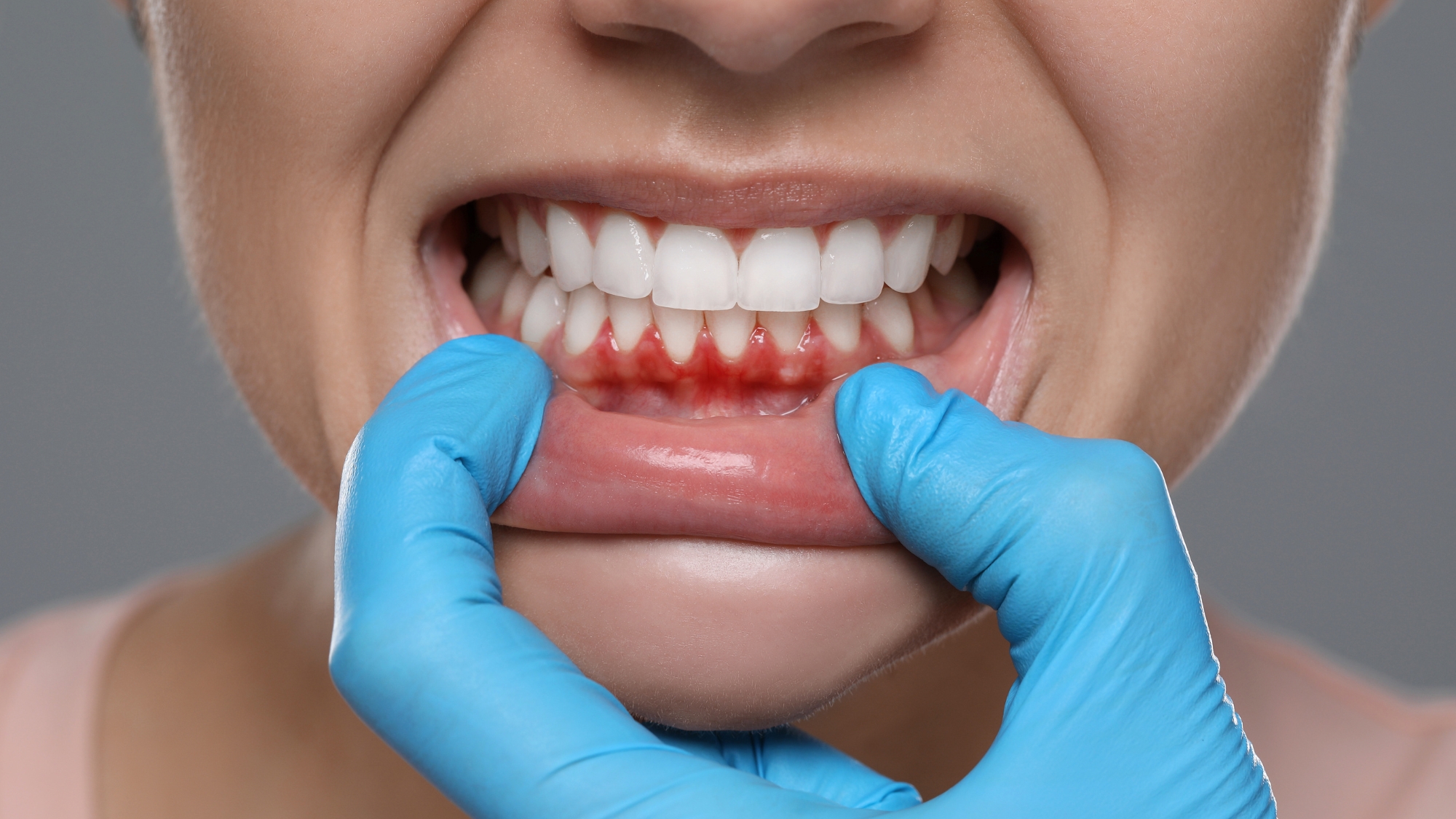
A ceramic dental crown is a tooth-coloured cap that fits over a damaged, weak, or discoloured tooth to restore its shape, strength, and natural appearance. It is one of the most preferred options in modern dentistry because it looks just like a real tooth and contains no metal.
If your dentist has recently suggested a crown, it is natural to have many questions. You may want to know how it works, how long it lasts, and whether it is the right choice for you.
This guide explains everything in simple terms so you can make an informed decision with confidence.
What Is a Ceramic Dental Crown?
A ceramic dental crown is a custom-made cap crafted entirely from tooth-coloured ceramic materials such as porcelain, zirconia, or lithium disilicate. It covers the visible part of a tooth above the gum line.
Unlike older metal-based crowns, ceramic crowns are completely metal-free. This means they blend naturally with your other teeth and avoid the dark gum line often seen with traditional crowns.
In simple words, think of a ceramic crown as a strong, natural-looking jacket for your tooth. It protects the tooth underneath while restoring its function and appearance.
When Is a Ceramic Crown Needed?
A ceramic crown can help in many dental situations. Your dentist may recommend one when a filling is not enough to restore the tooth or when the tooth needs added protection.
Here are common reasons a ceramic crown may be advised:
- To protect a tooth that is cracked, chipped, or weakened by decay
- To cover and strengthen a tooth after a root canal treatment
- To restore a tooth that is worn down due to grinding or long-term wear
- To cover a dental implant and complete the restoration
- To improve the appearance of a discoloured or misshapen tooth
- To support a dental bridge that replaces missing teeth
The right choice depends on your individual case. A proper dental examination helps your dentist decide if a ceramic crown is the most suitable option for you.
Types of Ceramic Dental Crowns
Not all ceramic crowns are the same. Different materials offer different benefits, and your dentist will recommend the best option based on the location of the tooth and your needs.
1. Zirconia Crowns
Zirconia is one of the strongest ceramic materials used in dentistry today. These crowns can handle heavy chewing forces, which makes them suitable for back teeth like molars.
Zirconia is also gentle on the surrounding teeth and highly biocompatible. Modern zirconia crowns now come in more translucent versions, giving a natural look without losing strength.
2. Lithium Disilicate (E.max) Crowns
Lithium disilicate, often known by the brand name E.max, offers a beautiful balance of strength and aesthetics. These crowns are highly translucent and reflect light much like natural enamel.
They work well for both front and back teeth where appearance matters most. E.max crowns also need minimal tooth reduction, which helps preserve more of your natural tooth structure.
3. Porcelain Crowns
Traditional porcelain crowns are valued for their natural appearance. They closely match the shade and translucency of real teeth, which makes them ideal for front teeth.
However, porcelain is not as strong as zirconia. It may chip under heavy biting forces, so it is usually preferred for areas with lower chewing pressure.
4. Same-Day Ceramic Crowns (CAD/CAM)
Many modern clinics now use CAD/CAM technology to design and mill crowns within a single visit. The dentist takes a digital scan of your tooth, designs the crown on a computer, and a milling machine carves it out from a ceramic block.
This option is convenient but depends on the case. Your dentist will let you know if you are a suitable candidate for same-day crowns.
Benefits of Ceramic Dental Crowns
Ceramic crowns are popular for good reasons. They combine modern dental science with natural beauty in a way that older crowns simply cannot match.
Natural Appearance
Ceramic crowns mimic the colour, shine, and translucency of natural teeth. Once placed, even close family members may not notice you have a crown.
Metal-Free and Biocompatible
Since these crowns contain no metal, they are gentle on the gums and safe for people with metal allergies. They also reduce the risk of irritation or dark gum lines.
Strong and Durable
Modern ceramic materials, especially zirconia and lithium disilicate, can withstand strong chewing forces. With proper care, they may last 10 to 15 years or even longer.
Reduced Tooth Sensitivity
Ceramic does not conduct heat and cold like metal does. This means less sensitivity when you eat or drink hot or cold items.
Stain Resistant
Ceramic crowns resist stains from coffee, tea, and other coloured foods. Your crown stays bright and clean with regular oral care.
Comfortable Fit
Each crown is custom-made using digital scans or impressions. This allows for a precise, comfortable fit that feels just like your natural tooth.
The Ceramic Crown Procedure: What to Expect
Many patients feel nervous about getting a crown. Knowing what happens at each step can help you feel more relaxed and prepared.
Step 1: Consultation and Examination
Your dentist examines the tooth, takes X-rays, and checks the surrounding gums and bone. If there is deep decay or infection, a root canal may be needed before the crown is placed.
Step 2: Tooth Preparation
The dentist gently reshapes the tooth to make space for the crown. A small amount of enamel is removed so the crown fits naturally without feeling bulky.
If the tooth is severely damaged, the dentist may build it up with filling material to create a strong base.
Step 3: Impressions or Digital Scan
Next, your dentist takes an impression or digital scan of your prepared tooth. This is sent to a dental lab where your custom ceramic crown is crafted to match your bite and tooth colour.
Step 4: Temporary Crown Placement
While your permanent crown is being made, a temporary crown protects the tooth. This usually stays in place for one to two weeks.
Step 5: Final Crown Fitting
When your final crown is ready, the dentist removes the temporary one and checks the fit, colour, and bite of the new crown. Once everything is right, the crown is bonded permanently using strong dental cement.
The whole process is generally painless because local anaesthesia is used during preparation. Most patients feel only mild pressure or vibration.
How Long Do Ceramic Crowns Last?
With good care, ceramic crowns may last anywhere from 10 to 15 years. Some high-quality zirconia or lithium disilicate crowns can last even longer.
The lifespan depends on several factors:
- Your daily oral hygiene routine
- The location of the tooth in your mouth
- Whether you grind or clench your teeth
- Eating habits and food choices
- Regular dental check-ups
A crown that is well cared for can serve you reliably for many years. According to the American Dental Association, regular dental visits help your dentist catch any issues early and keep your crown in top condition.
Aftercare Tips for Your Ceramic Crown
Caring for your ceramic crown is similar to caring for your natural teeth. A few small habits can go a long way in protecting your investment.
Maintain Daily Oral Hygiene
Brush twice a day with a soft-bristled toothbrush and fluoride toothpaste. Floss gently around the crown to keep the gum line clean and healthy.
Avoid Hard and Sticky Foods
Stay away from chewing ice, hard candies, popcorn kernels, and sticky toffees. These can chip or loosen even the strongest crowns.
Wear a Night Guard If You Grind Your Teeth
If you have bruxism (teeth grinding), a custom night guard helps protect your crown from cracks. Talk to your dentist if you wake up with jaw pain or sensitivity.
Visit Your Dentist Regularly
Routine dental check-ups every six months allow your dentist to inspect your crown, clean hard-to-reach spots, and address small issues before they become bigger problems.
Watch for Warning Signs
Contact your dentist if you notice a loose crown, persistent pain, sensitivity, bad breath around the crown, or a chipped edge.
Ceramic Crown vs Other Crown Materials
Many patients ask how ceramic compares with other crown options. Here is a simple comparison:
| Feature | Ceramic Crown | Metal Crown | PFM Crown |
| Appearance | Natural, tooth-like | Visible metal colour | Natural, but may show dark line |
| Metal Content | None | Full metal | Metal core with porcelain |
| Strength | High (zirconia is very strong) | Very high | High |
| Best For | Front and back teeth | Back teeth only | Both, but less aesthetic |
| Allergy Risk | Very low | Possible with some metals | Possible from metal core |
For most patients today, ceramic crowns offer the best balance of strength, comfort, and appearance.
Are Ceramic Crowns Painful?
Getting a ceramic crown should not be painful. Local anaesthesia keeps the area numb during preparation, so you feel only gentle pressure.
After the procedure, mild sensitivity to hot or cold is common for a few days. Some tenderness around the gums is also normal. These feelings usually fade within a week.
If pain persists or feels sharp, contact your dentist. It may simply be a small bite adjustment that needs fine-tuning.
Cost Considerations for Ceramic Crowns
The cost of a ceramic crown can vary based on several factors, including the type of ceramic material, the complexity of your case, and the dentist’s expertise.
Here are the main factors that influence the price:
- Material chosen – Zirconia and E.max crowns may cost more than basic porcelain
- Lab quality – Highly precise digital labs may charge more
- Additional treatments – Root canal treatment, build-up, or gum treatment may add to the cost
- Location of the clinic – Costs vary by city and clinic standards
While the initial investment may seem higher than other options, ceramic crowns offer long-term value through durability, comfort, and natural aesthetics. A thorough consultation gives you a clear estimate based on your specific case.
When to See a Dentist
You should consider visiting a dental clinic if you notice any of the following:
- A cracked, chipped, or broken tooth
- Severe tooth decay that cannot be filled
- A tooth weakened after root canal treatment
- A discoloured or misshapen tooth affecting your smile
- A loose or damaged old crown
Early diagnosis often saves the natural tooth and avoids more complex treatment later. A simple dental checkup near me can give you clarity on the right next step. If you are looking for trusted dentists in coimbatore, choosing an experienced team ensures the best results for your crown treatment.
Final Thoughts
A ceramic dental crown is one of the most complete restorations modern dentistry has to offer — combining genuine strength with a natural appearance that blends seamlessly with your smile. Whether you choose zirconia for its durability, E.max for its translucency, or traditional porcelain for its aesthetics, there is a ceramic option suited to almost every dental need. The right choice, however, always depends on the condition of your tooth, its location in the mouth, and your individual expectations — all of which a proper clinical examination can help determine.
If you have a cracked, weakened, or discoloured tooth that is affecting your confidence or comfort, do not wait for the problem to worsen. A ceramic crown placed at the right time protects your natural tooth and restores your smile for years to come.
At Arasu Dental Care in Coimbatore, we combine careful diagnosis with high-quality ceramic restorations to give you a crown that looks, feels, and functions like your own tooth. Our team will walk you through your options honestly and help you choose what genuinely suits your case. Book an appointment with us today and take the first step towards a stronger, more confident smile.
Frequently Asked Questions (FAQs)
1. Can a ceramic crown look exactly like my natural tooth?
Yes. Ceramic crowns are custom-coloured to match your surrounding teeth. The translucent finish makes them blend in naturally, so they are nearly impossible to spot.
2. Will my ceramic crown stain over time?
Ceramic crowns are highly resistant to staining from tea, coffee, and coloured foods — far more so than natural enamel. With regular brushing and professional dental cleanings every six months, your crown can maintain its colour for many years.
3. Is a ceramic crown suitable for back teeth?
Yes, particularly zirconia crowns, which are strong enough to handle the heavy chewing forces in the back of the mouth.
4. How long does it take to get a ceramic crown?
In most cases, getting a ceramic crown requires two visits spaced one to two weeks apart. The first visit involves tooth preparation, impressions, and temporary crown placement. The second visit is for fitting and cementing the permanent crown.
5. Is the ceramic crown procedure painful?
No, the procedure is performed under local anaesthesia so you should not feel pain during tooth preparation or crown placement. You may feel gentle pressure or vibration, but nothing sharp.
6. Can a ceramic crown break or chip?
While ceramic crowns are strong, they are not completely indestructible. Traditional porcelain crowns can chip under heavy biting force or if you habitually chew hard objects.
7. What happens to the tooth underneath a ceramic crown?
The natural tooth remains underneath the crown and can still develop decay if oral hygiene is neglected. It is important to brush and floss around the crown margins daily to prevent plaque buildup at the gum line.