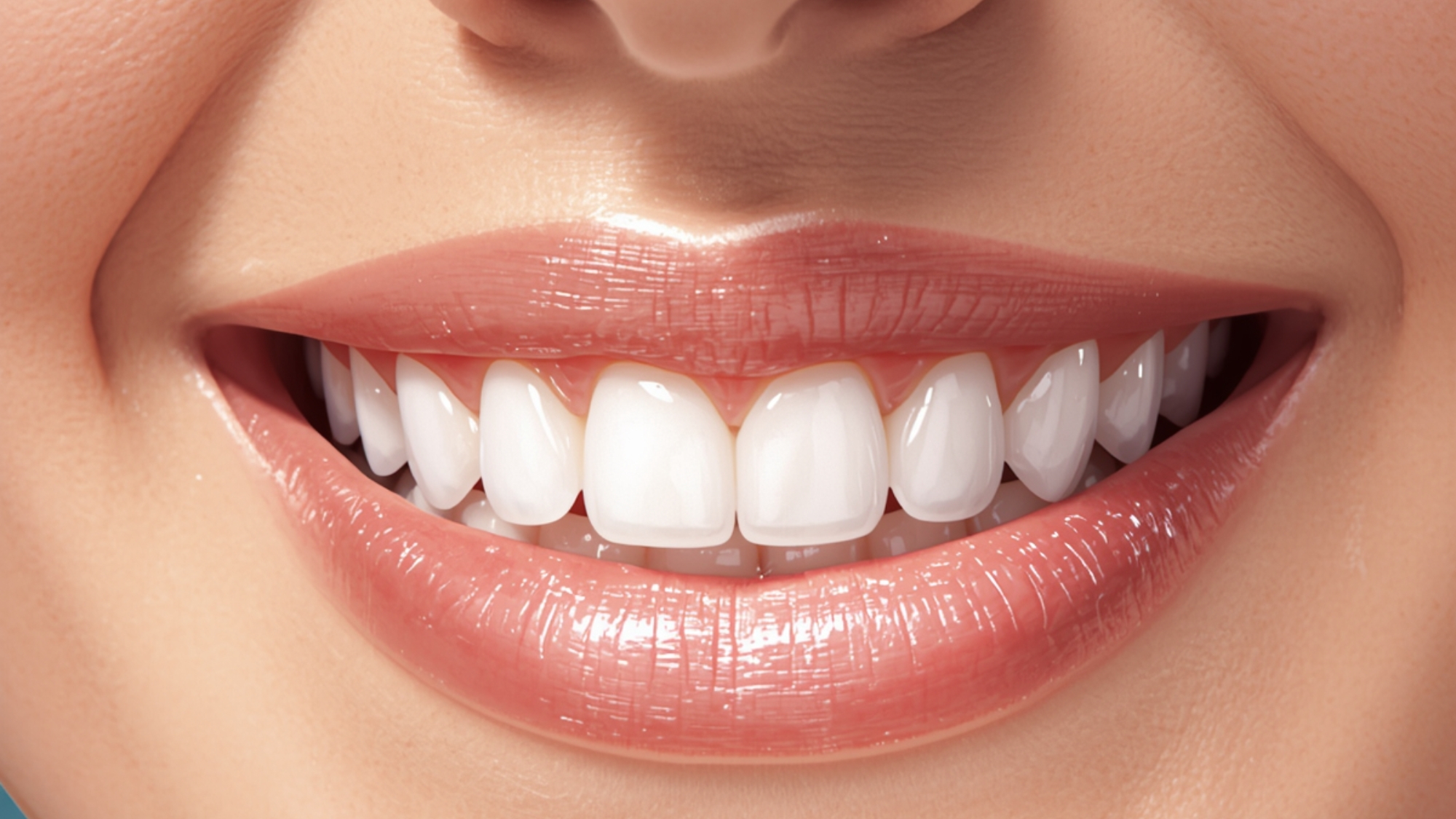
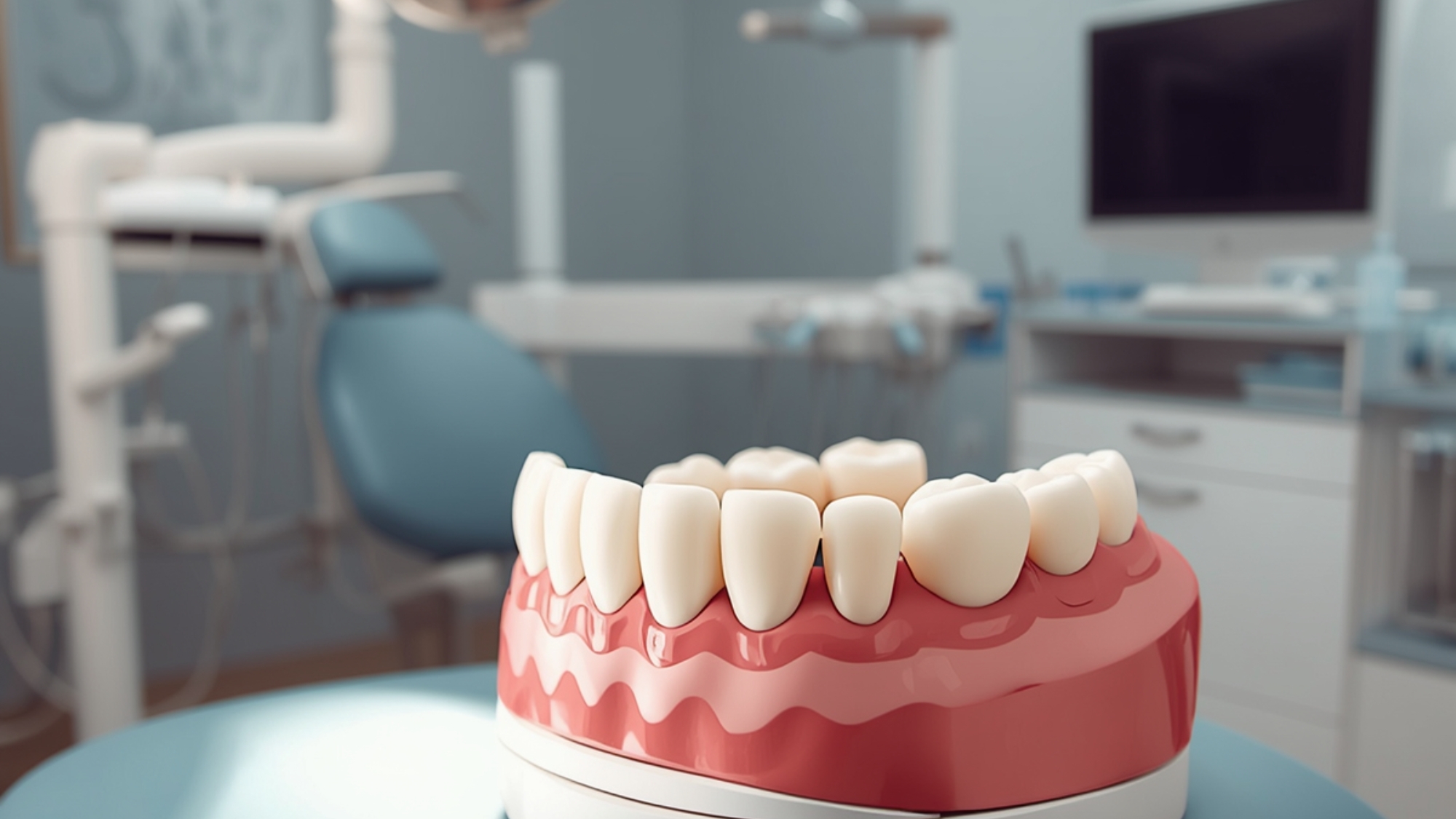
Missing teeth can affect more than just your smile. They can change the way you eat, speak, and even how your face looks over time. A porcelain dental bridge is one of the most trusted treatments to replace one or more missing teeth in a natural-looking and lasting way.
If you have been wondering whether this treatment is right for you, this guide will help you understand who needs porcelain dental bridges, why they are recommended, and what to expect during the process.
At Arasu Dental Care, we often meet patients who are unsure about replacing a missing tooth. This article is written to help you make an informed decision with clarity and confidence.
What Is a Porcelain Dental Bridge?
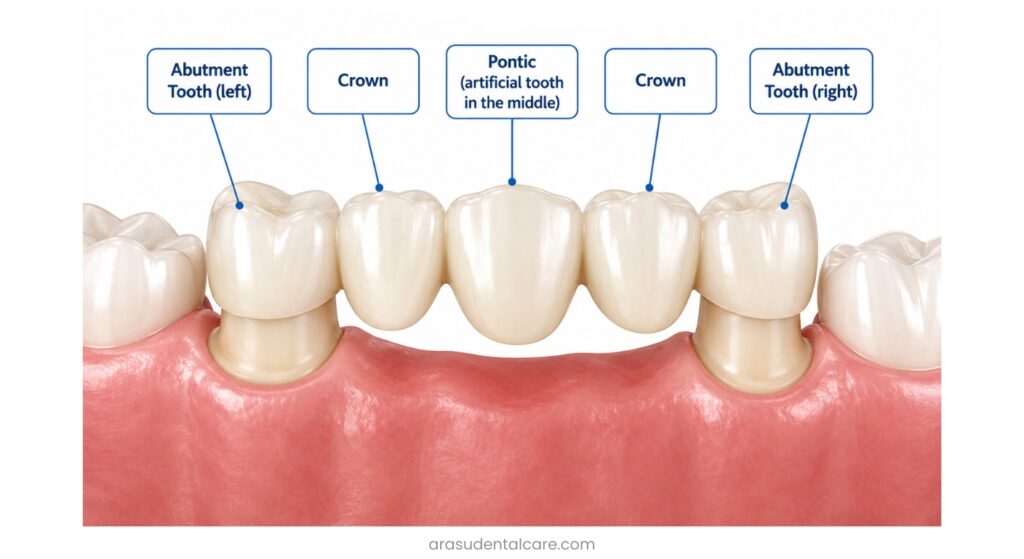
A porcelain dental bridge is a fixed dental restoration used to replace one or more missing teeth. It is made of high-quality porcelain that closely matches the color and shape of your natural teeth.
The bridge consists of two crowns placed on the teeth next to the gap, with one or more artificial teeth (called pontics) in between. Once fitted, it stays in place permanently and functions like your natural teeth.
Porcelain is preferred because it blends well with the rest of your smile and is strong enough to handle normal chewing pressure.
Who Needs a Porcelain Dental Bridge Treatment?
Not everyone with a missing tooth needs the same solution. A porcelain bridge is often the right choice for specific situations. Here are the people who may benefit from this treatment:
People with one or more missing teeth in a row: If you have lost a tooth due to decay, injury, or extraction, a porcelain bridge can fill the gap. It works best when one to three teeth are missing in the same area.
Adults with healthy neighboring teeth: A traditional porcelain bridge needs strong natural teeth on both sides of the gap for support. If your nearby teeth are healthy, you are usually a good candidate.
Patients who want a fixed, non-removable solution: Unlike dentures, a porcelain bridge stays in your mouth permanently. This makes it a comfortable option for people who prefer not to remove their dental appliance daily.
Those who are not suitable for dental implants: Dental Implants need enough jawbone and good overall health. If you cannot have implants due to bone loss, medical conditions, or personal preference, a bridge can be a reliable alternative.
People with difficulty chewing or speaking : Missing teeth often make it harder to chew food properly or pronounce certain words. A bridge can restore these everyday functions.
Patients concerned about their appearance: A gap in the smile can affect confidence. Porcelain bridges look very natural and help restore the beauty of your smile.
Adults whose teeth are shifting due to a missing tooth: When a tooth is missing for a long time, the surrounding teeth may slowly move into the empty space. A bridge helps prevent this shifting and keeps your bite stable.
Common Signs You May Need a Dental Bridge
Some patients are unsure whether their situation requires a bridge. Here are common signs that may indicate the need for this treatment:
Difficulty chewing on one side: If you find yourself avoiding certain foods or chewing only on one side, a missing tooth could be the cause. A bridge can restore balanced chewing.
Visible gap in your smile: A noticeable space between your teeth, especially in the front, often needs cosmetic and functional correction with a bridge.
Speech changes after losing a tooth: Missing teeth can affect how you pronounce certain sounds. Replacing them helps restore clear speech.
Shifting or tilting of nearby teeth: When teeth start leaning into a gap, it can lead to bite problems. A bridge stops this movement.
Jaw discomfort or uneven bite: A missing tooth can change how your upper and lower teeth meet. This may cause jaw strain over time.
According to the American Dental Association, replacing missing teeth promptly helps maintain proper alignment and oral health.
Why Replacing Missing Teeth Matters
Many people delay tooth replacement, thinking a single missing tooth is not a big issue. However, leaving the gap untreated can lead to several long-term problems.
Bone loss in the jaw: The jawbone needs stimulation from teeth to stay strong. A missing tooth can slowly cause bone in that area to shrink.
Changes in facial shape: Long-term tooth loss may make the cheeks look sunken or change the natural balance of your face.
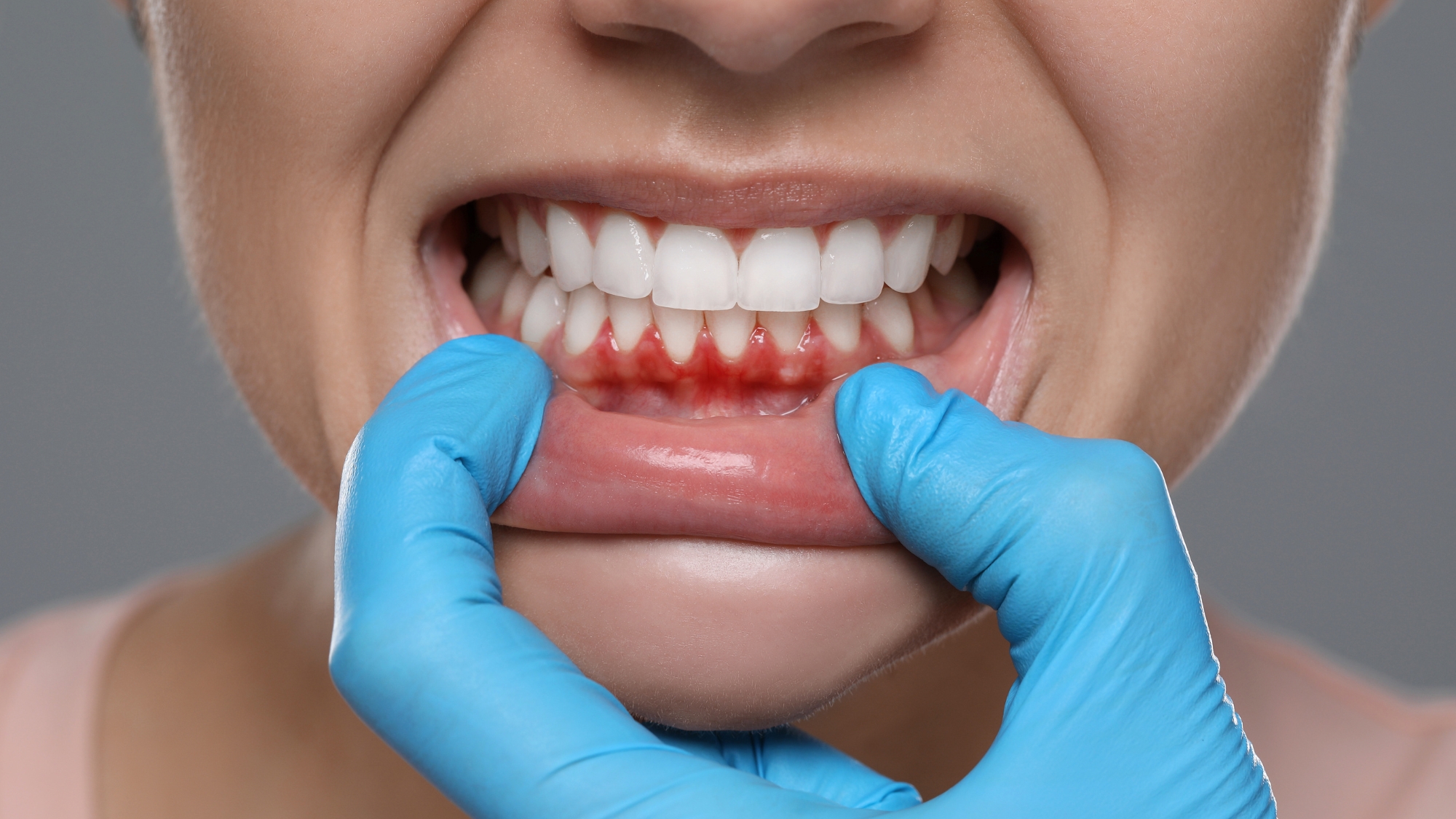
Higher risk of gum disease and decay: Gaps can trap food and make cleaning difficult, increasing the risk of cavities and gum problems.
Pressure on remaining teeth: When fewer teeth carry the chewing load, they wear down faster and may develop cracks.
A study published by the National Institutes of Health shows that tooth loss is linked to reduced quality of life and oral function, making timely treatment important.
Types of Porcelain Dental Bridges
Your dentist may suggest different types of porcelain bridges depending on your needs:
Traditional porcelain bridge: The most common type. It uses crowns on both sides of the gap to hold the artificial tooth in place. Suitable when healthy teeth are present on both sides.
Cantilever bridge: Used when there is a healthy tooth on only one side of the gap. It is less common today because the support is uneven.
Maryland bridge: Uses a thin framework bonded to the back of nearby teeth. Often used for front teeth where chewing pressure is lower.
Implant-supported porcelain bridge: Uses dental implants instead of natural teeth for support. A good option when several teeth are missing in a row.
Your dentist will recommend the right type after a full examination.
What to Expect During the Treatment
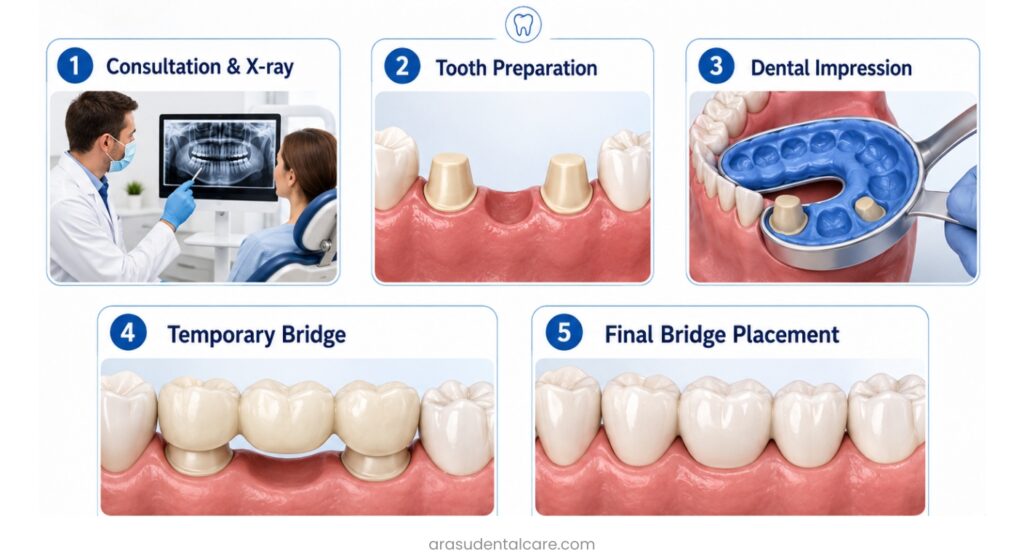
Getting a porcelain dental bridge usually takes two or three dental visits. Here is what the process generally involves:
Initial consultation and examination: Your dentist checks your teeth, gums, and bite. X-rays may be taken to plan the treatment properly.
Preparation of supporting teeth: The teeth next to the gap are gently reshaped to make space for the crowns that will hold the bridge.
Dental impressions: A digital scan or mold of your teeth is taken. This is used to create a bridge that fits perfectly.
Temporary bridge placement: You will wear a temporary bridge while the final one is being made in the dental lab.
Fitting the final porcelain bridge: Once ready, your dentist checks the fit, color, and bite, then bonds the bridge in place.
The treatment is done under local anesthesia and is generally comfortable.
Benefits of Porcelain Dental Bridges
Porcelain bridges offer several practical and cosmetic benefits:
Natural appearance: The porcelain material reflects light like real enamel, making the bridge blend with your natural teeth.
Restored chewing function: You can enjoy a wider range of foods comfortably after treatment.
Improved speech: Replacing missing teeth helps you speak more clearly.
Protection for remaining teeth: A bridge keeps neighboring teeth from shifting and maintains a stable bite.
Long-lasting solution: With good care, porcelain bridges can last 10 to 15 years or longer.
For more information on dental restorations, you can also refer to the Cleveland Clinic guide on dental bridges.
When You Should See a Dentist
It is best to consult a dentist soon if you notice any of the following:
A missing tooth that has not been replaced: Even one missing tooth can slowly affect your bite and oral health.
Difficulty chewing or biting: This may signal that your teeth are not aligned properly due to the gap.
Shifting teeth or new spaces forming: Early action can prevent bigger alignment issues later.
Discomfort or sensitivity near the gap: This may need a professional check to rule out other dental problems.
A dental examination is the only way to know if a porcelain bridge is the right treatment for you.
Final Thoughts
A porcelain dental bridge is a reliable and natural-looking way to replace missing teeth. It restores your ability to chew, speak, and smile with confidence while protecting your overall oral health.
The right treatment depends on your dental condition, the number of missing teeth, and the health of your surrounding teeth. A proper dental examination is the best way to know if a porcelain bridge suits you.
If you are missing one or more teeth and want to explore your options, the team at Arasu Dental Care in Coimbatore is here to help. Book a consultation today to understand which tooth replacement option best fits your needs and lifestyle.
Frequently Asked Questions
1. How long does a porcelain dental bridge last?
With proper care, a porcelain bridge can last between 10 and 15 years, sometimes longer. Regular dental checkups and good oral hygiene help extend its life.
2. Is the bridge procedure painful?
The procedure is done under local anesthesia, so you should not feel pain. Mild sensitivity after treatment is normal and usually settles in a few days.
3. Can a porcelain bridge replace more than one tooth?
Yes. A bridge can replace one to three missing teeth in a row, depending on the support available from neighboring teeth.
4. How do I care for a porcelain dental bridge?
Brush twice daily, floss carefully around the bridge, and visit your dentist for regular cleanings. Special floss threaders can help clean under the bridge.
5. Is a porcelain bridge better than a dental implant?
Both have their own benefits. Implants last longer and preserve bone, while bridges are quicker and do not require surgery. Your dentist can guide you based on your case.
6. Will the bridge look like my natural teeth?
Yes. Porcelain is shaded to match your existing teeth, giving a natural and even appearance.
7. Can I eat normally after getting a bridge?
Most patients adjust within a few days. It is best to avoid very hard or sticky foods to protect the bridge.
8. Is there an age limit for getting a dental bridge?
There is no strict age limit, but it is usually recommended for adults whose jaw growth is complete. Your dentist will assess your suitability.