What Is a Pulpotomy?
A pulpotomy is a dental treatment that removes the infected or inflamed pulp from the upper part of a tooth, while keeping the healthy pulp inside the roots intact. It is most commonly performed on children’s milk teeth when decay has reached close to the nerve.
The goal of a pulpotomy is simple. Save the natural tooth, relieve pain, and protect the surrounding tissues from further infection.
In many cases, this treatment helps a child keep their baby tooth until it falls out naturally, which is important for proper speech, chewing, and the healthy growth of permanent teeth.
If your child is experiencing tooth pain or sensitivity, a pulpotomy may be one of the recommended options. However, the right treatment depends on a proper dental examination.
Why Is a Pulpotomy Needed?
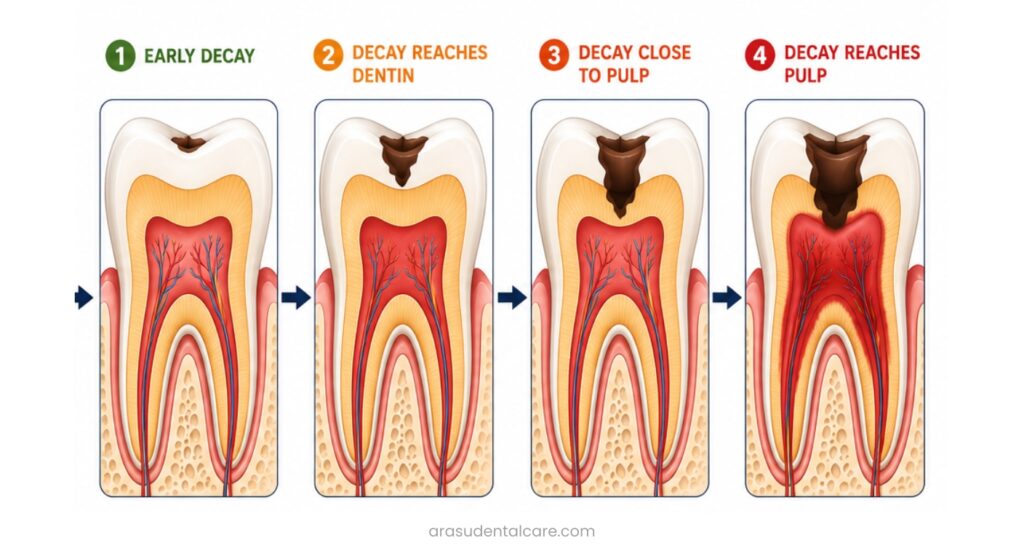
When tooth decay is left untreated, it slowly moves through the enamel and dentin and reaches the pulp. The pulp is the soft inner layer that contains nerves and blood vessels.
Once the pulp gets inflamed or infected, it can cause pain, swelling, and discomfort while eating. A pulpotomy helps stop this problem before it spreads further.
This procedure is often suggested when:
Deep cavity close to the nerve: The decay has gone deep enough to expose or nearly expose the pulp. Removing only the affected portion helps preserve the rest of the tooth.
Pulp inflammation in baby teeth: The child’s primary tooth shows signs of reversible pulpitis but the root portion of the pulp is still healthy. Saving the tooth supports normal jaw and speech development.
Tooth injury or trauma: A fall or accident sometimes exposes the pulp. A pulpotomy can protect the tooth and maintain its function.
Avoiding early tooth loss: Losing a baby tooth too early can affect the alignment of permanent teeth. A pulpotomy helps avoid this issue.
Pulpotomy vs Pulpectomy: What Is the Difference?
Many parents confuse these two treatments. While both involve the pulp, they are not the same.
Pulpotomy: Only the pulp inside the crown (top portion) of the tooth is removed. The healthy pulp inside the roots is left untouched and treated with a healing medicament.
Pulpectomy: The entire pulp, including the part inside the roots, is removed. This is similar to a root canal and is done when the infection has spread deeper.
Your dentist decides between these two based on how far the infection has travelled. According to the American Academy of Pediatric Dentistry, the choice depends on the pulp’s condition during examination.
Signs That Your Child May Need a Pulpotomy
Children often find it difficult to explain dental pain clearly. As a parent, watching for these signs can help you decide when to consult a dentist.
Sensitivity to hot or cold foods: Your child may complain of sudden pain while drinking water or eating ice cream. This often indicates the decay is near the nerve.
Pain while chewing: If your child avoids chewing on one side, the affected tooth may have deep decay reaching the pulp.
Visible cavity or dark spots on the tooth: A large or deep hole in the tooth is a warning sign that the decay may have reached the inner layers.
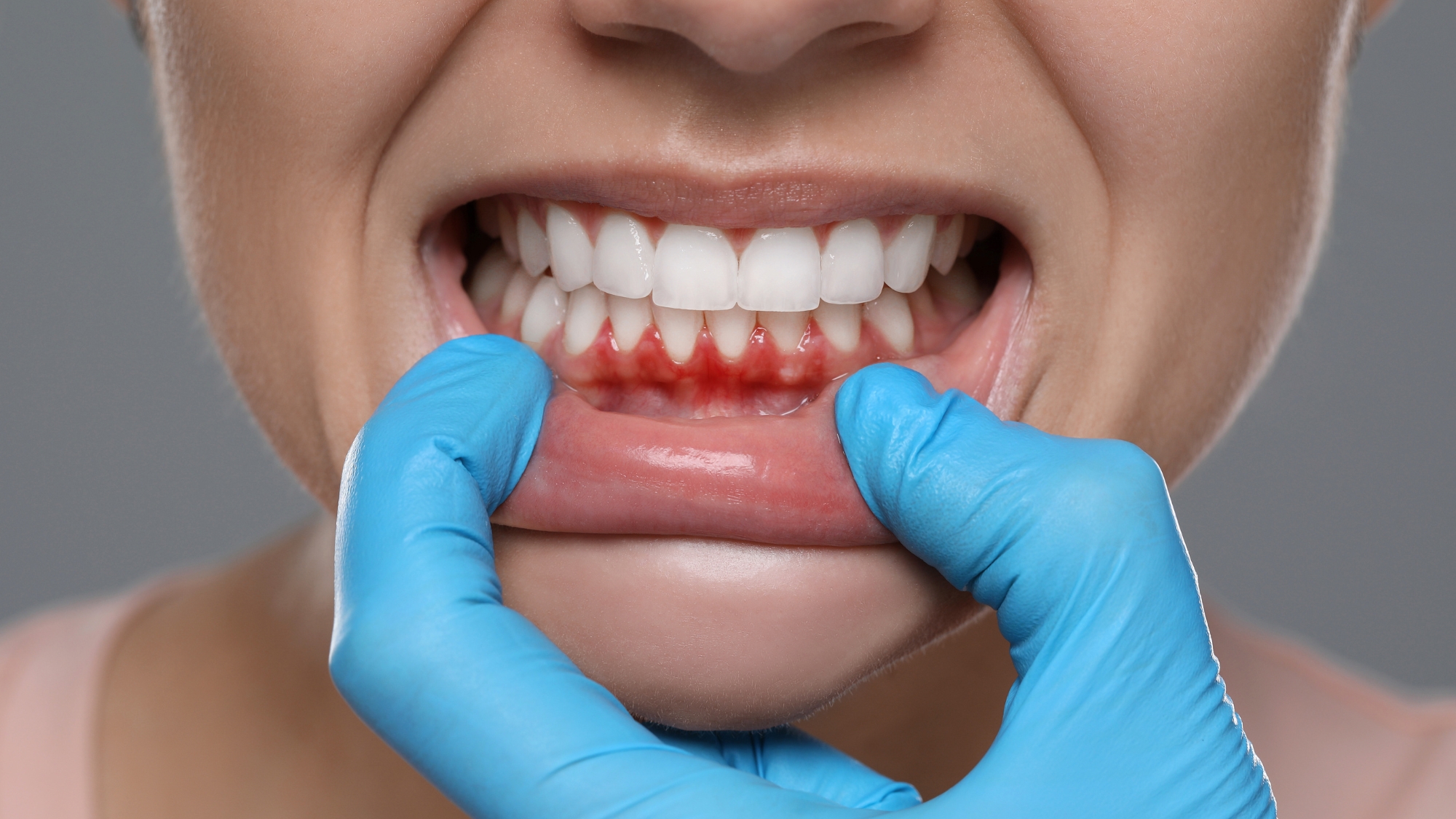
Mild swelling near the gums: Swelling around a decayed tooth is a sign that the pulp may be inflamed or infected.
Disturbed sleep due to tooth pain: Night-time tooth pain is often linked to pulp involvement and should not be ignored.
If you notice any of these signs, it is best to schedule a dental checkup near me. Early diagnosis usually means simpler treatment.
Step-by-Step Pulpotomy Procedure
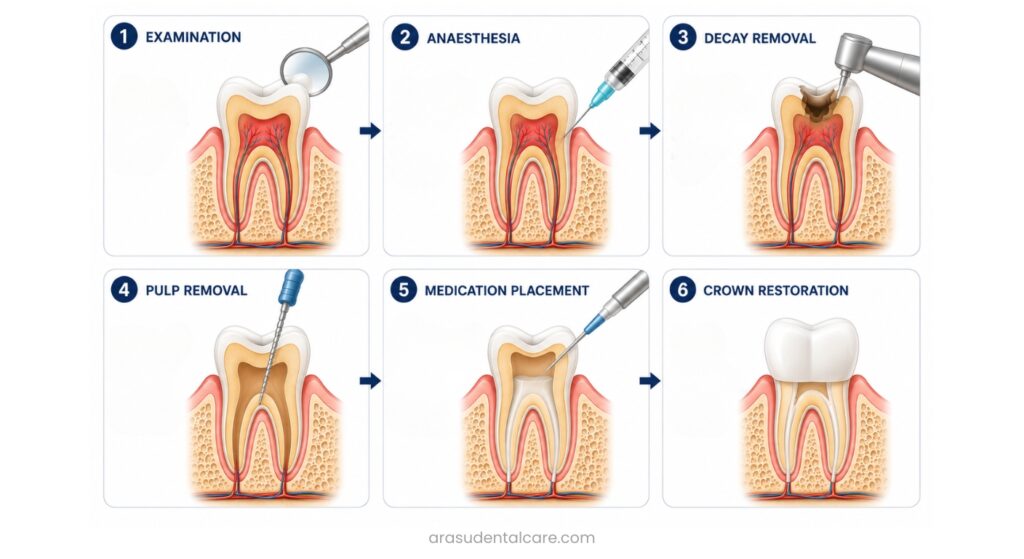
A pulpotomy is usually completed in a single visit and takes around 30 to 45 minutes. Here is what typically happens during the procedure.
Step 1 – Examination and X-ray: The dentist checks the tooth and takes a small X-ray to confirm how deep the decay is and whether the root pulp is still healthy.
Step 2 – Local anesthesia: The area around the tooth is numbed gently. This ensures your child does not feel pain during the treatment.
Step 3 – Removing the decay: Using small dental instruments, the dentist carefully removes all the decayed portion of the tooth.
Step 4 – Removing the infected pulp: Only the inflamed pulp inside the crown of the tooth is removed. The healthy pulp inside the roots is left alone.
Step 5 – Placing a healing material: A medicated material such as MTA (Mineral Trioxide Aggregate) or a similar biocompatible agent is placed on the remaining healthy pulp to support healing.
Step 6 – Sealing and restoring the tooth: The tooth is then sealed and usually restored with a stainless steel crown for added strength, especially in back teeth.
The procedure is gentle and modern dental techniques make the experience comfortable for children.
Read More: Pediatric Pulpotomy Explained – A Gentle Approach to Saving Children’s Teeth.
Benefits of Pulpotomy Treatment
A pulpotomy offers several long-term advantages for both children and adults in specific cases.
Saves the natural tooth: The tooth remains in place and continues to function normally for chewing and speech.
Relieves pain quickly: Removing the inflamed pulp eases the pain caused by deep decay or infection.
Prevents the spread of infection: Treating the pulp early stops bacteria from reaching the root and surrounding bone.
Maintains space for permanent teeth: In children, keeping the baby tooth in place guides the permanent tooth to erupt in the correct position.
Less invasive than full root canal: Compared to a complete pulpectomy, a pulpotomy is shorter, simpler, and easier on young patients.
Supports normal jaw and speech development: A healthy set of baby teeth plays an important role in clear speech and proper jaw growth.
Research published in the Journal of Dentistry also suggests that pulpotomy can be a successful alternative to root canal treatment in certain mature teeth with irreversible pulpitis.
What to Expect After a Pulpotomy
Recovery after a pulpotomy is usually smooth. Most children return to their normal routine within a day.
Mild soreness for a few hours: Some discomfort is normal once the numbness fades. Over-the-counter children’s pain relief, as advised by your dentist, is usually enough.
Soft food for the first day: Foods like khichdi, mashed potatoes, soft idli, or yoghurt are easier on the treated tooth.
Avoid hard or sticky food: Sticky sweets and crunchy snacks can disturb the restoration in the early days.
Gentle brushing around the tooth: Continue regular brushing twice a day, but be gentle near the treated area.
Watch for unusual symptoms: Persistent pain, swelling, or fever should be reported to your dentist promptly.
A short follow-up may be advised to check the healing of the tooth.
Are There Any Risks?
A pulpotomy is generally a safe and well-established procedure. However, like any dental treatment, outcomes can vary based on the individual case.
Possible re-infection: In rare cases, the remaining pulp may get reinfected and require further treatment.
Tooth discolouration: The treated tooth may appear slightly darker over time.
Need for future treatment: If healing is not complete, a pulpectomy or extraction may become necessary.
These risks are uncommon when the procedure is done correctly and oral hygiene is maintained well.
How to Prevent the Need for a Pulpotomy
Most pulpotomies happen because of untreated cavities. Good oral care can prevent this from the start.
Brush twice daily with fluoride toothpaste: Use a soft-bristled brush suitable for your child’s age. Fluoride helps strengthen enamel.
Limit sugary snacks and drinks: Frequent sugar exposure is one of the main causes of cavities in children.
Encourage drinking water after meals: Water helps wash away food particles and reduces acid attacks on teeth.
Schedule regular dental check-ups: A six-monthly visit allows early detection of cavities before they reach the pulp.
Consider dental sealants: Sealants can protect the deep grooves of molars and reduce the chance of decay.
The National Institute of Dental and Craniofacial Research highlights that early dental visits play a key role in preventing childhood cavities.
Final Thoughts
A pulpotomy is a gentle, effective way to save a tooth that has been affected by deep decay or injury. It relieves pain, protects the natural tooth, and supports healthy dental development, especially in children. By preserving the tooth until it is naturally ready to fall out, a pulpotomy helps maintain proper spacing and function within the mouth. Early diagnosis and timely treatment can prevent more complex dental problems, ensuring a healthier and more comfortable smile for years to come.
If your child is experiencing tooth pain or has been diagnosed with deep tooth decay, the experienced team at Arasu Dental Care is here to help. Book an appointment today to learn whether a pulpotomy is the right solution for protecting your child’s smile.
Frequently Asked Questions
1. Is a pulpotomy painful for children?
No. The area is numbed before the procedure, so your child will not feel pain. Some mild soreness afterwards is normal and usually settles quickly.
2. How long does a pulpotomy last?
In children, a well-done pulpotomy can last until the baby tooth naturally falls out. In adults, longevity depends on the tooth’s condition and oral care.
3. Can a pulpotomy be done on adult teeth?
Yes. In some cases of deep decay or trauma in mature teeth, a pulpotomy can be considered as an alternative to a root canal. Your dentist will evaluate suitability.
4. Will my child need a crown after a pulpotomy?
In most cases, yes. A stainless steel crown protects the tooth from fracture and helps it function until it is naturally replaced.
5. How long does the procedure take?
Most pulpotomies are completed in a single visit lasting around 30 to 45 minutes.
6. What happens if a pulpotomy is not done?
The infection may spread to the root and surrounding bone, leading to severe pain, swelling, or early tooth loss.
7. Can a tooth treated with pulpotomy get cavities again?
Yes. The crown protects the tooth, but good oral hygiene is still important to prevent decay in nearby teeth.
8. Is a pulpotomy better than tooth extraction?
In most situations, saving the natural tooth is preferred. Early extraction of baby teeth can affect the alignment of permanent teeth.