If you had a root canal months or years ago and the same tooth is now hurting again, you are not alone. In some cases, a treated tooth can develop new pain, swelling, or infection. This is where root canal retreatment comes in. It is a second procedure that helps clean the tooth again, remove any leftover infection, and give your natural tooth another chance to heal.
It is normal to feel disappointed when a treated tooth troubles you again. The good news is that retreatment is often successful and far better than losing the tooth. In this guide, we will explain what root canal retreatment means, why it may be needed, how the procedure is done, and how much it usually costs.
What Is Root Canal Retreatment?
Root canal retreatment is a dental procedure done on a tooth that has already had a root canal in the past but is causing problems again. During the procedure, your dentist reopens the tooth, removes the old filling material from inside the canals, cleans the canals carefully, and seals them again. A new crown or restoration is then placed to protect the tooth.
In simple words, retreatment is like a second root canal on the same tooth. The goal is to save the natural tooth instead of removing it.
Most root canal treatments are successful for life. However, around 5 to 10 percent of treated teeth may develop issues later and need retreatment. With modern tools such as dental microscopes and improved imaging, the success rate of retreatment today is quite high.
Why Would a Tooth Need a Second Root Canal?
A treated tooth may fail to heal or get reinfected for several reasons. Understanding the cause helps your dentist plan the right approach.
Reasons related to the original treatment
- Missed canals. Some teeth, especially molars, have very narrow or hidden canals that were not detected during the first procedure.
- Complex canal anatomy. Curved or branched canals can be difficult to clean fully.
- Incomplete cleaning. Bacteria left behind in the canal can cause infection later.
- Delayed crown placement. If a permanent crown was not placed in time, saliva and bacteria can leak into the tooth.
Reasons that develop later
- New decay around the treated tooth allows bacteria to reach the root again.
- A loose, cracked, or broken crown or filling exposes the tooth to fresh infection.
- Tooth fracture caused by biting hard food or grinding.
- Gum disease that affects the bone around the root.
For more, Explore our latest blog Why Root canal Re -treatment is necessary?
According to the American Association of Endodontists, saving the natural tooth through retreatment is usually the most reliable long-term option whenever possible.
Signs You May Need Root Canal Retreatment
A previously treated tooth should not cause pain. If it does, your body may be telling you something is wrong. Watch for these signs:
- Pain or tenderness when chewing or biting
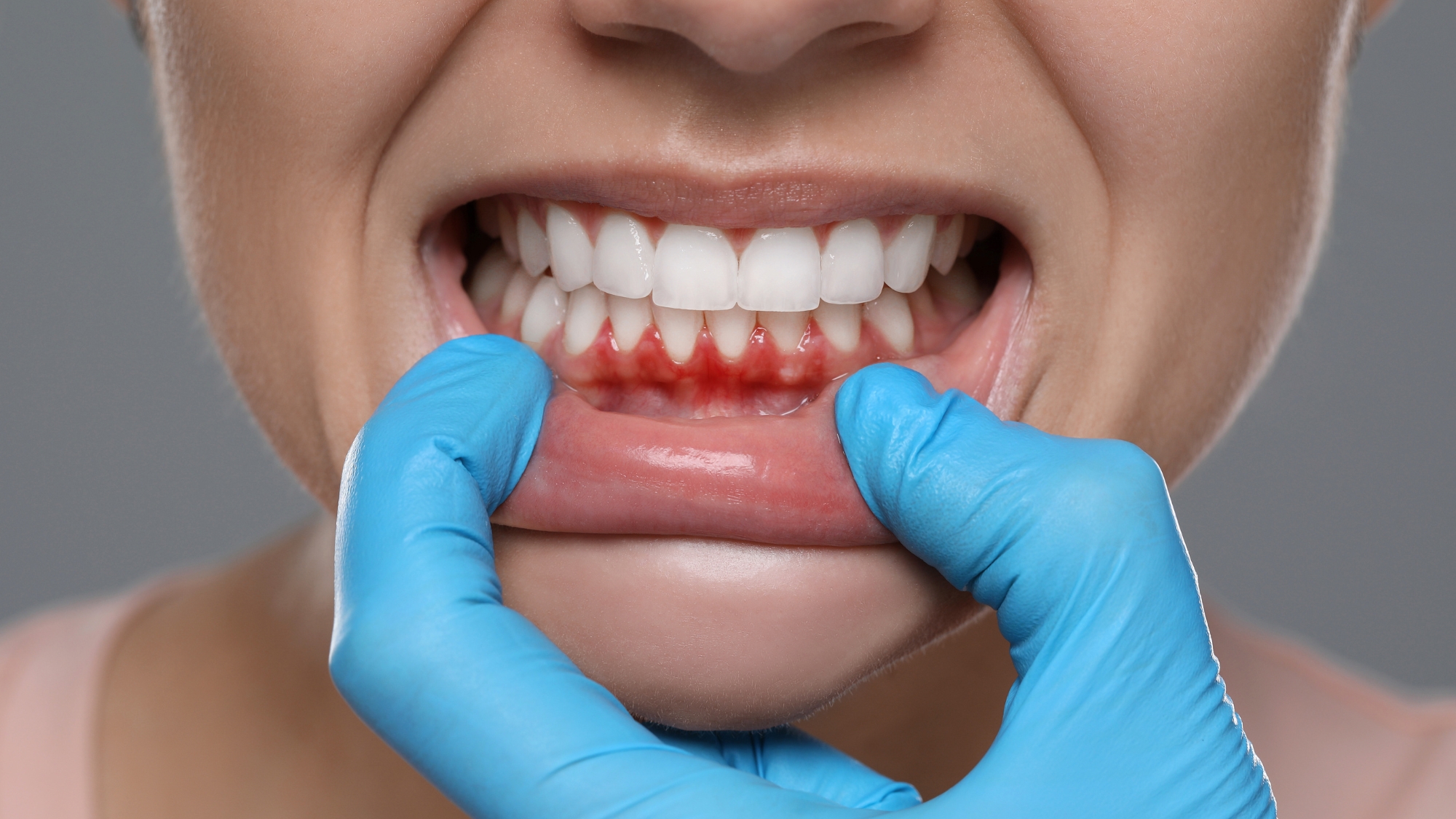
- Swelling around the gum near the treated tooth
- A small pimple-like bump on the gum (a sign of pus or abscess)
- Sensitivity to hot or cold that lingers
- Sudden, throbbing pain without a clear cause
- A bad taste or smell coming from the tooth area
- The tooth feeling loose
These symptoms do not always mean the tooth cannot be saved. A proper dental examination and X-ray can help your dentist confirm whether retreatment is needed.
The Root Canal Retreatment Procedure Step by Step
Many patients feel anxious about going through another root canal. The procedure is well planned and done under local anesthesia, so you should not feel pain during treatment. Here is how it usually works.
Step 1: Examination and diagnosis
Your dentist will check the tooth, ask about your symptoms, and take an X-ray or 3D scan (CBCT) to study the canal anatomy and find the source of the problem.
Step 2: Local anesthesia
The area around the tooth is numbed completely. A small rubber sheet called a rubber dam is placed around the tooth to keep it clean and dry during the procedure.
Step 3: Removing the existing crown or filling
If your tooth has a crown, post, or filling, it must be carefully removed to reach the inside of the tooth.
Step 4: Removing the old root canal filling
The old filling material (usually gutta-percha, a rubber-like material) is gently removed using fine instruments and ultrasonic tips.
Step 5: Cleaning and shaping the canals
Your dentist now cleans the canals thoroughly. Using magnification, they look for missed canals, cracks, or unusual anatomy. Disinfecting solutions are used to remove all bacteria.
Step 6: Refilling and sealing
Once the canals are clean and dry, they are filled with new sealing material and closed with a temporary filling.
Step 7: Final restoration
After healing, a new crown or permanent filling is placed to protect the tooth and restore full chewing function.
In some complex cases, your dentist may suggest a small surgical procedure called an apicoectomy, where the tip of the root is sealed from outside. This is done only when nonsurgical retreatment is not possible.
Is Root Canal Retreatment Painful?
This is one of the most common questions patients ask. The honest answer is that the procedure itself is done under local anesthesia, so you should not feel pain during treatment. Some mild soreness or tenderness is normal for a few days after, especially while chewing. This usually settles with simple pain medication and gentle care.
Modern techniques, better instruments, and improved anesthesia have made retreatment far more comfortable than many people expect.
Recovery and Aftercare
Healing after retreatment is usually smooth. Following a few simple steps can help.
- Avoid chewing on the treated side until the permanent crown is placed.
- Take prescribed medicines as directed by your dentist.
- Brush gently and floss carefully around the area.
- Use an ice pack on the cheek if there is mild swelling.
- Stick to soft foods for the first day or two.
- Visit your dentist if pain or swelling increases instead of reducing.
Most patients return to normal activities within a day. Full healing of the bone around the root may take a few weeks to a few months, depending on the original infection.
Cost of Root Canal Retreatment
The cost of root canal retreatment depends on several factors. It is usually a little higher than the original root canal because it is a more detailed and time-consuming procedure.
Factors that affect the cost
- Tooth location. Molars have more canals and take longer to treat.
- Complexity of the case. Curved canals, calcified canals, or missed anatomy increase the time needed.
- Removal of crown or post. Extra steps add to the cost.
- Need for advanced imaging such as CBCT scans.
- Type of final restoration. A new crown is usually needed after retreatment.
- Use of dental microscope and specialty equipment.
Approximate cost in India
In Coimbatore and most Indian cities, root canal retreatment generally costs between ₹5,000 and ₹15,000 per tooth, depending on the case. A new crown after retreatment may cost an additional ₹3,000 to ₹15,000, depending on the material chosen (metal, ceramic, or zirconia).
Compared to extraction followed by an implant or bridge, retreatment is often the more affordable and tooth-friendly option. Saving your natural tooth is almost always worth the investment.
Root Canal Retreatment vs. Tooth Extraction
When a treated tooth keeps causing problems, patients often wonder whether to retreat it or simply remove it. Both options have their place, and the right choice depends on your specific situation.
Re root canal treatment is usually preferred when:
- The tooth has good bone support.
- The root structure is intact.
- The infection can be cleaned out fully.
- You want to preserve your natural tooth.
Extraction may be considered when:
- The tooth has a vertical root fracture.
- There is severe bone loss.
- The tooth cannot be restored after treatment.
If a tooth is extracted, it usually needs to be replaced with a dental implant, bridge, or partial denture to maintain proper bite and prevent neighboring teeth from shifting. These options are often more expensive and time-consuming than saving the natural tooth.
As a general rule, nothing functions or feels quite like your own natural tooth. That is why retreatment is the first choice whenever it is possible.
How Successful Is Root Canal Retreatment?
Studies show that root canal retreatment has a success rate of around 70 to 95 percent, depending on the case. Success depends on:
- How well the infection is cleaned
- The condition of the surrounding bone
- The quality of the final crown or restoration
- Your overall oral hygiene after treatment
Following good dental care habits and visiting your dentist for regular check-ups can help your retreated tooth last for many years, often a lifetime.
How to Prevent the Need for Retreatment
While not every case can be prevented, you can lower your risk by following simple steps.
- Get the permanent crown placed soon after the first root canal.
- Brush twice a day and floss daily.
- Avoid chewing very hard foods like ice or hard candy.
- Wear a night guard if you grind your teeth.
- Visit your dentist every six months for a check-up.
- Treat new cavities early before they reach the deeper tooth.
When to See a Dentist
If a previously treated tooth is causing pain, swelling, or any unusual feeling, do not wait. Early evaluation gives the best chance to save the tooth. A dental examination and X-ray can quickly tell whether retreatment, surgery, or another option is right for you.
Every case is different, and the right plan depends on your specific dental condition. Your dentist will explain your options clearly and help you choose the path that best suits your oral health.
Book a Consultation at Arasu Dental Care
If you are facing pain or discomfort in a tooth that has already had a root canal, our team at Arasu Dental Care is here to help. We use modern equipment, gentle techniques, and a patient-friendly approach to make retreatment as comfortable as possible.
If you are in Coimbatore and looking for expert guidance on root canal retreatment, book a consultation with our dental team today. We will examine your tooth carefully, explain your options clearly, and help you take the next step with confidence.
Frequently Asked Questions
How long does root canal retreatment take?
Most retreatment cases take one to two visits, with each visit lasting about 60 to 90 minutes. Complex cases may need an extra appointment.
Can a tooth get infected again after retreatment?
It is possible but uncommon. Following good oral hygiene and getting a proper crown soon after treatment greatly reduces the risk.
Is root canal retreatment covered by insurance?
Some dental insurance plans cover retreatment, but coverage varies. It is best to check with your provider before the procedure.
Will I need a new crown after retreatment?
In most cases, yes. A new crown helps protect the tooth and restore full function.
Can antibiotics fix a failed root canal?
No. Antibiotics may control infection temporarily, but they cannot remove the source. Only retreatment or, in some cases, extraction can solve the problem.
How soon should I get retreatment after symptoms appear?
The sooner, the better. Delaying treatment can allow the infection to spread to the bone and surrounding tissue, making treatment more complicated.