A worn-out or damaged crown can affect both your smile and your chewing comfort. If you are exploring ceramic crowns as a replacement option, it helps to understand the cost, benefits, and what the process involves before making a decision.
Ceramic crowns are one of the most preferred restorations today because they look natural, feel comfortable, and last for many years with good care. This guide explains everything you need to know in simple, patient-friendly language.
Whether your old crown is chipped, loose, or simply ageing, the right information can help you choose what truly suits your dental health.
What Is a Ceramic Crown?
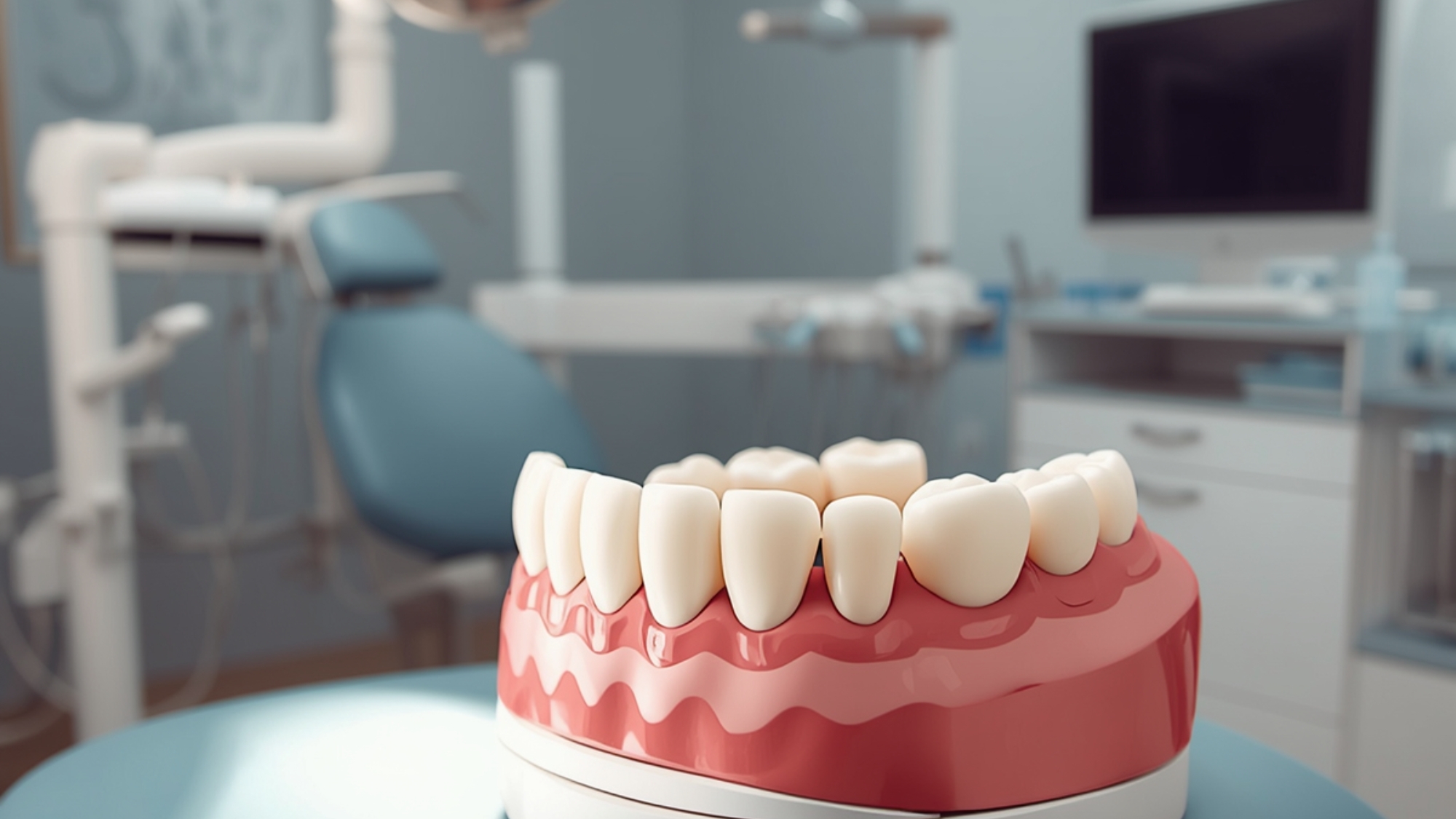
A ceramic crown is a tooth-shaped cap made entirely from dental ceramic materials such as zirconia, lithium disilicate (E.max), or porcelain. It covers a damaged or treated tooth to restore its shape, strength, and appearance.
Unlike metal-based crowns, ceramic crowns contain no metal. This makes them safer for patients with metal sensitivity and helps them blend naturally with surrounding teeth.
According to the American Dental Association, crowns are commonly used to protect weakened teeth, cover implants, or restore teeth after root canal treatment.
When Do You Need a Ceramic Crown Replacement?
Crowns are durable, but they are not permanent. Over time, daily chewing, grinding, and natural wear can affect their fit and finish. Replacement becomes necessary when the crown no longer protects the tooth properly.
Here are the most common signs that indicate replacement may be needed:
Visible cracks or chips: Small fractures on the crown surface can grow larger over time. This may expose the tooth underneath to bacteria and decay.
A loose or shifting crown: A crown that moves slightly while chewing usually means the cement bond has weakened. Leaving it unattended can damage the natural tooth inside.
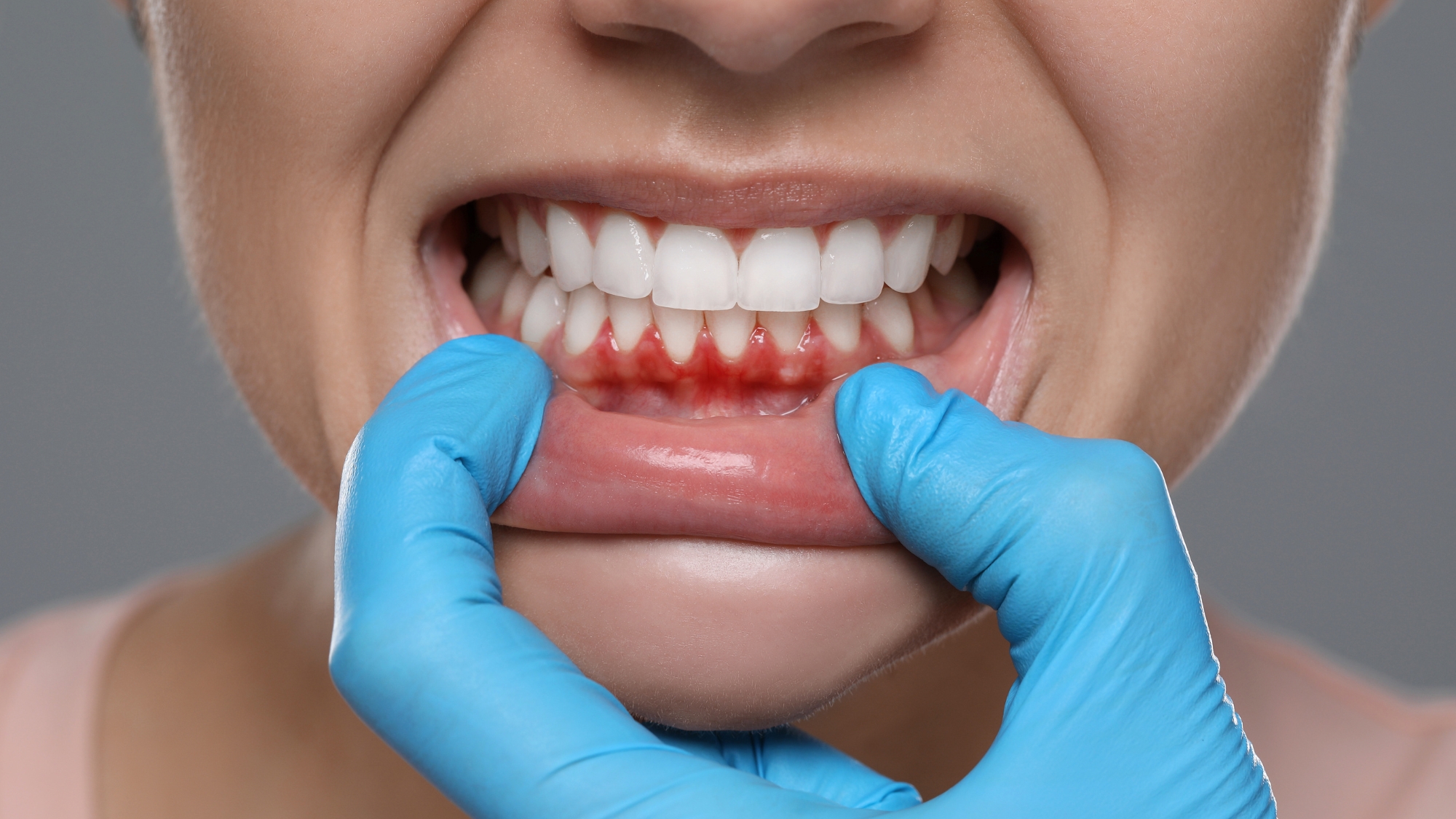
Gum recession around the crown: When gums pull back, the crown edge or the tooth root may become visible. This can affect both appearance and oral hygiene.
Recurring decay under the crown: Bacteria can sometimes enter through tiny gaps and cause decay beneath the crown. A dental examination can confirm if replacement is required.
Discomfort while biting: Pain or sensitivity when chewing may indicate that the crown no longer fits well. A new crown can restore comfort and proper bite alignment.
Old or discoloured crowns: Older metal-based or porcelain-fused-to-metal crowns may show a dark line near the gums. Replacing them with ceramic crowns gives a cleaner, more natural look.
Key Benefits of Ceramic Crown Replacement
Choosing ceramic crowns for replacement offers more than just cosmetic improvement. They provide both function and long-term comfort.
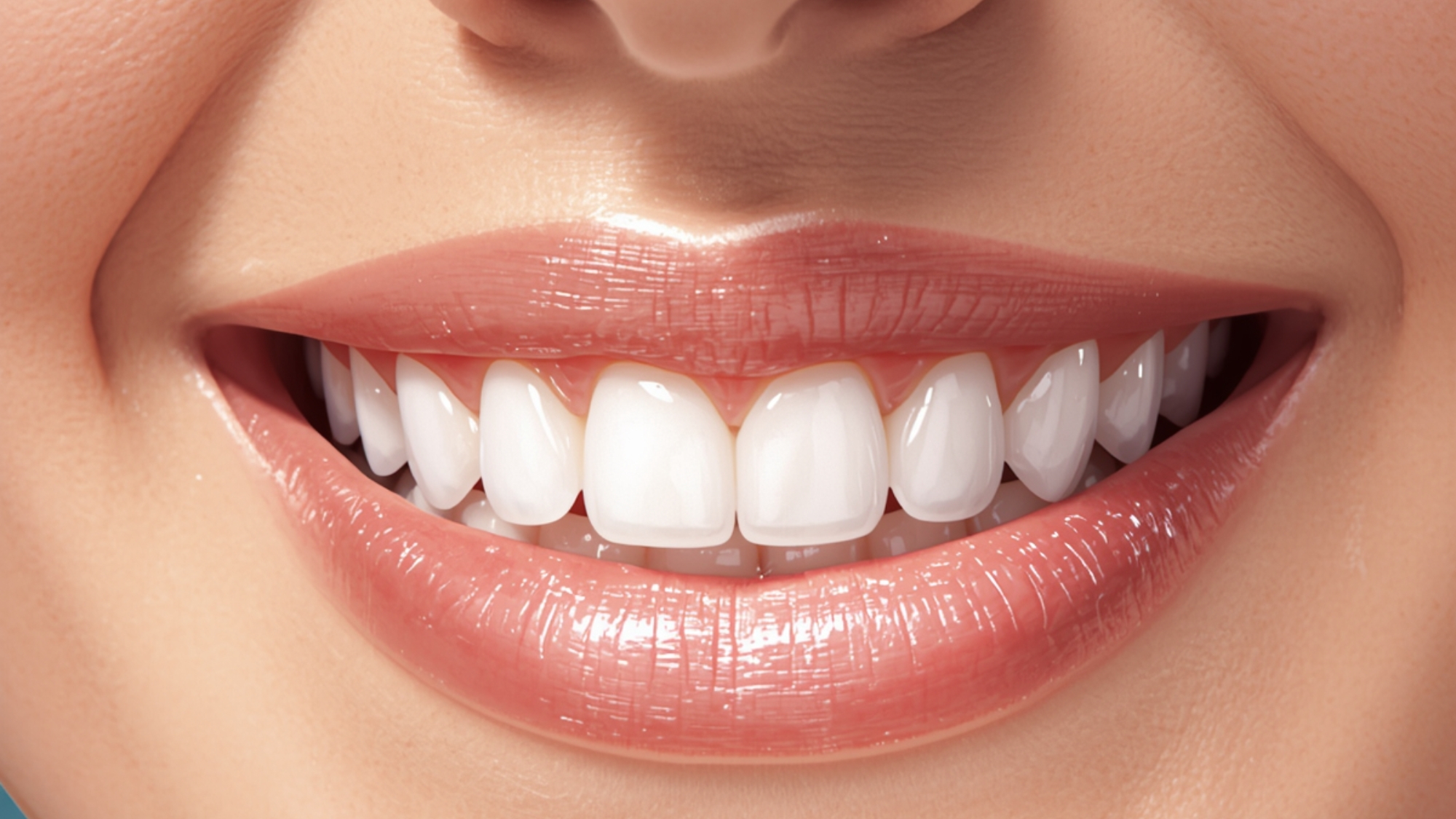
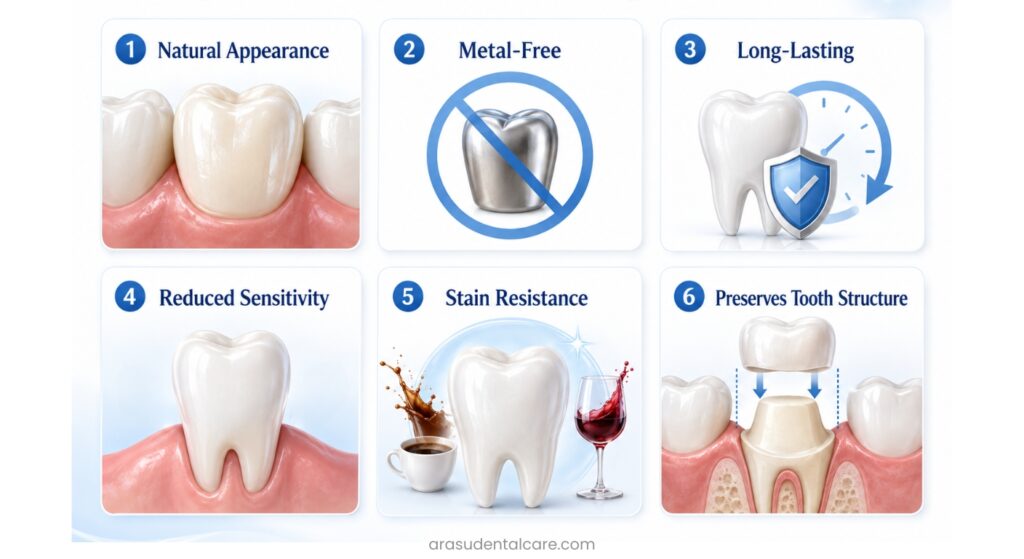
Natural appearance: Ceramic crowns mimic the translucency and shade of real teeth. This makes them ideal for front teeth and smile-line restorations.
Metal-free and biocompatible: Since they contain no metal, they are gentle on gums and safe for patients with allergies. Most patients feel they blend seamlessly with their oral tissues.
Strong and long-lasting: Modern materials like zirconia and lithium disilicate are highly durable. With proper care, ceramic crowns can last between 10 and 15 years, sometimes longer.
Reduced tooth sensitivity: Ceramic does not conduct heat or cold like metal. This often helps reduce sensitivity after the crown is placed.
Stain resistance: Ceramic surfaces resist staining from tea, coffee, and other coloured foods. Your crown stays bright with regular brushing.
Preserves natural tooth structure: Newer ceramic crowns require minimal tooth reduction. This helps protect more of your healthy tooth underneath.
Types of Ceramic Crowns Used for Replacement
Not all ceramic crowns are the same. Your dentist may suggest a specific type based on the tooth location, bite pressure, and aesthetic needs.
Zirconia crowns: Made from zirconium dioxide, these are extremely strong and ideal for back teeth. They handle heavy chewing forces well and are also available in tooth-matching shades.
Lithium disilicate (E.max) crowns: Known for their balance of beauty and strength. They are often used for front teeth where appearance matters most.
Layered porcelain crowns: These offer the most natural translucency but are slightly less durable. They suit patients who prioritise aesthetics over high bite strength.
CAD/CAM same-day ceramic crowns: Designed and milled in the dental clinic using digital technology. They reduce the number of visits and offer a precise fit.
A study published in the National Library of Medicine notes that all-ceramic restorations provide excellent long-term clinical performance, especially when paired with good oral hygiene.
Cost of Ceramic Crown Replacement
The cost of ceramic crown replacement can vary based on several factors. It is important to understand what influences the final price before making a decision.
Type of ceramic material: Zirconia and E.max crowns generally cost more than basic porcelain options. Their strength and aesthetics justify the higher value.
Tooth location: Crowns for back teeth may need stronger materials, which can affect cost. Front teeth crowns often focus more on aesthetics.
Additional procedures needed: Some cases may require root canal treatment, gum correction, or a new core build-up before the crown. These add to the total cost.
Technology used: Clinics using CAD/CAM or digital scanning may charge slightly more, but the precision and comfort are higher.
Dentist’s expertise: A trained prosthodontist or experienced restorative dentist may charge more, but the long-term results are usually better.
In India, ceramic crown replacement typically ranges between ₹8,000 and ₹25,000 per tooth, depending on the material and clinic. The exact cost can only be confirmed after a dental examination.
The Ceramic Crown Replacement Procedure
Replacing a crown is a straightforward process, usually completed in two visits. Knowing what happens at each step can help you feel more relaxed.
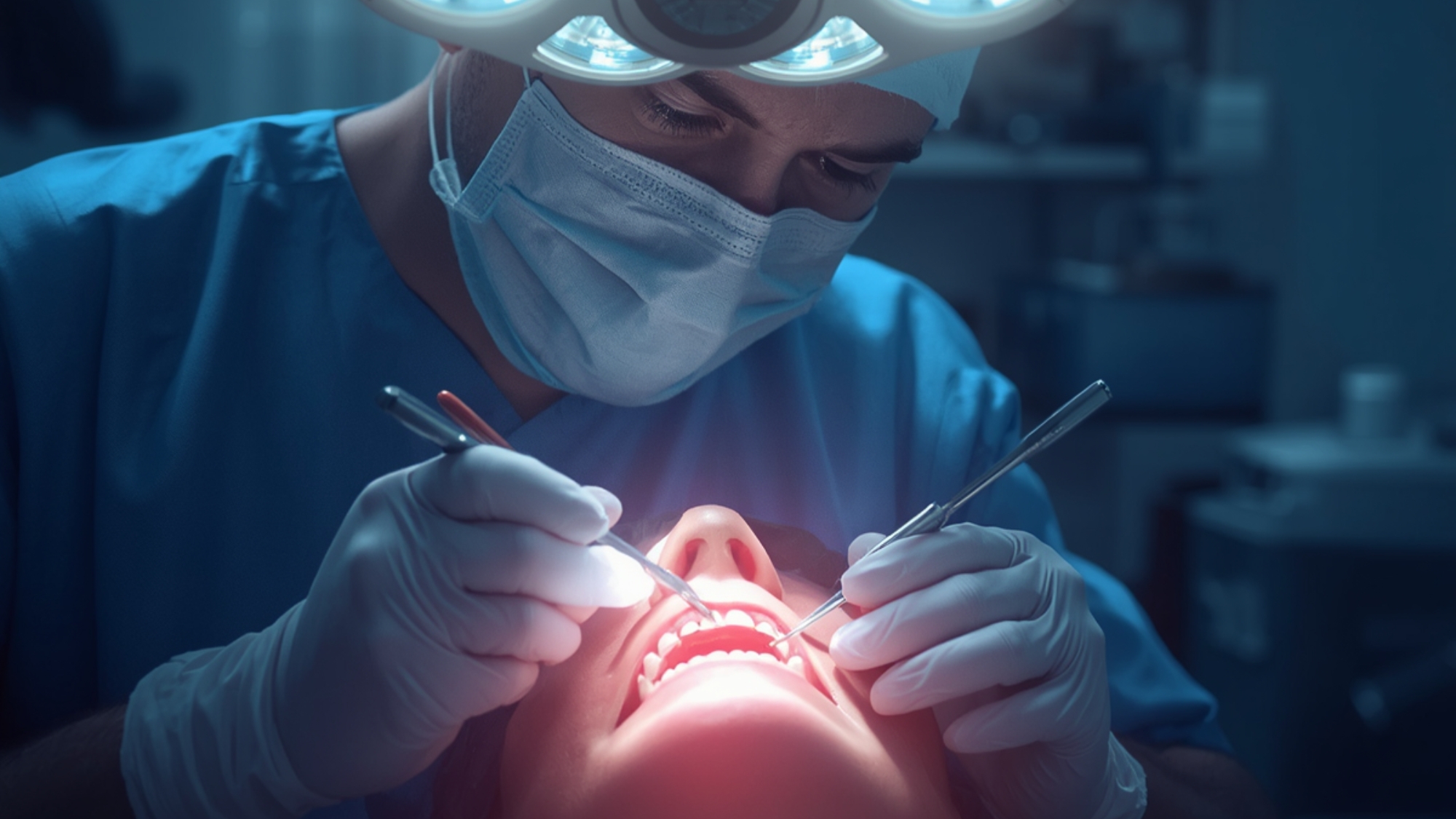
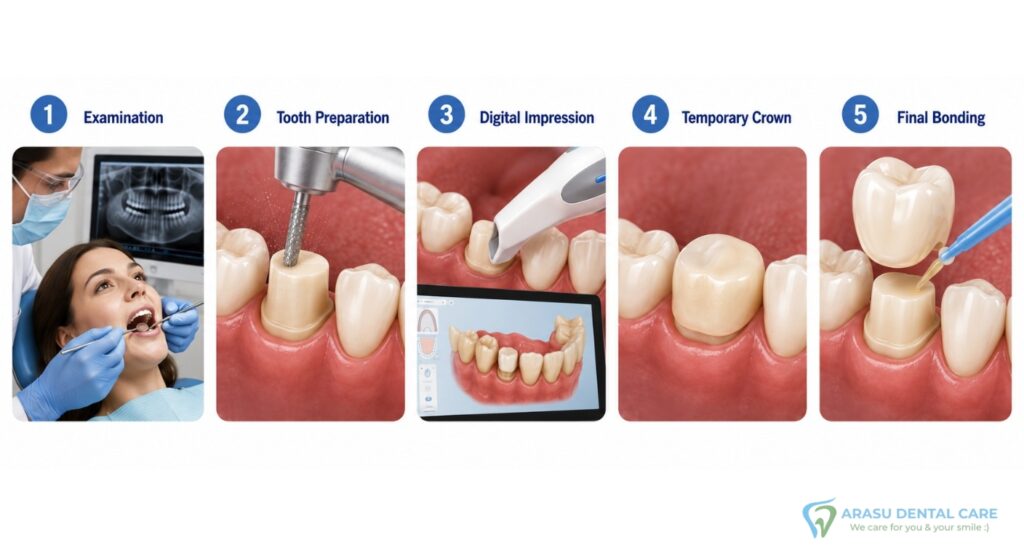
Step 1 – Examination and removal: The dentist examines the old crown and the tooth beneath it. The existing crown is carefully removed without damaging the underlying tooth.
Step 2 – Tooth assessment and preparation: Any decay or weak structure is treated first. The tooth is then reshaped slightly to fit the new crown.
Step 3 – Impressions or digital scanning: A 3D scan or putty impression is taken for precise crown design. This ensures a comfortable and accurate fit.
Step 4 – Temporary crown placement: A temporary crown protects your tooth while the permanent one is made in the lab. This usually takes a few days to a week.
Step 5 – Final crown bonding: During your next visit, the new ceramic crown is checked for fit, shade, and bite. It is then bonded permanently with dental cement.
How to Care for Your New Ceramic Crown
Good aftercare helps your ceramic crown last longer and stay in great condition. Simple daily habits make a big difference.
Brush and floss daily: Use a soft-bristled brush and fluoride toothpaste. Floss gently around the crown to keep the gumline healthy.
Avoid hard or sticky foods: Chewing ice, hard nuts, or sticky candy can damage even strong ceramic. Be mindful when biting into tough foods.
Wear a night guard if you grind teeth: Bruxism (teeth grinding) can shorten the life of any crown. A custom night guard offers reliable protection.
Schedule regular check-ups: Visit your dentist every six months. Early detection of small issues prevents bigger problems later.
Watch for early warning signs: Sensitivity, looseness, or gum irritation around the crown should not be ignored. A quick check-up can resolve most concerns.
Ceramic Crowns vs Other Crown Materials
Understanding how ceramic crowns compare to other options helps you make an informed choice.
| Feature | Ceramic Crown | PFM Crown | Metal Crown |
| Appearance | Excellent, natural | Good, may show metal line | Poor, metallic |
| Strength | High (especially zirconia) | High | Very high |
| Metal-Free | Yes | No | No |
| Best For | Front and back teeth | Back teeth | Back molars |
| Lifespan | 10–15+ years | 8–12 years | 15+ years |
Ceramic crowns offer the best balance of aesthetics, biocompatibility, and strength for most patients today.
When to See a Dentist
If your existing crown feels loose, looks discoloured, or causes discomfort, do not delay a dental visit. Early evaluation can save the natural tooth underneath and prevent further damage.
A proper dental examination is the only way to confirm whether your crown needs replacement or simply minor adjustment.
Conclusion
Replacing an old or damaged crown with a ceramic restoration is one of the most effective ways to protect your tooth while restoring a natural, confident smile. Whether you are upgrading from an older metal-based crown or replacing a worn ceramic one, modern materials like zirconia and E.max offer a level of strength, comfort, and aesthetics that simply was not available before. Every replacement case is unique, and the right material and approach can only be decided after a proper clinical assessment of the tooth underneath.
If your crown feels loose, looks worn, or is causing any discomfort, do not put off getting it checked. Catching the problem early often means a simpler procedure and a better outcome for the tooth beneath.
At Arasu Dental Care in Coimbatore, we assess every crown replacement case carefully — evaluating the condition of the underlying tooth, your bite, and your aesthetic goals before recommending a solution. Our aim is to give you a restoration that lasts, looks natural, and feels completely comfortable. Book a consultation with us today and let us help you restore your smile the right way.
Frequently Asked Questions
1. How long do ceramic crowns usually last?
With proper care, ceramic crowns can last between 10 and 15 years, sometimes longer. Lifespan depends on oral hygiene, bite pressure, and material quality.
2. Is ceramic crown replacement painful?
The procedure is done under local anaesthesia, so you should not feel pain. Mild sensitivity for a few days afterwards is normal.
3. Can a ceramic crown be replaced with another ceramic crown?
Yes. Most patients prefer to replace their old crown with a new ceramic one for better aesthetics and comfort.
4. How do I know if my old crown needs replacement?
Signs include looseness, chipping, gum recession, dark margins, or pain while chewing. A dental check-up can confirm the need.
5. Are ceramic crowns safe for people with allergies?
Yes. Since they contain no metal, ceramic crowns are highly biocompatible and safe for sensitive patients.
6. Will my ceramic crown look like a natural tooth?
Modern ceramic materials match the colour, texture, and translucency of natural teeth very closely. Most people cannot tell the difference.
7. Can a ceramic crown develop decay?
The crown itself cannot decay, but the natural tooth beneath it can if oral hygiene is poor. Regular brushing and check-ups help prevent this.
8. Is same-day ceramic crown replacement possible?
Yes, with CAD/CAM technology, some clinics can design and place a ceramic crown in a single visit. Suitability depends on your case.