A cavity may start small, but if left untreated, it can quietly damage the inner layers of your tooth. A cavity filling helps stop this damage early and restores the tooth back to normal function. Among the available options, an amalgam filling has been used in dentistry for over 150 years because of its strength and long-lasting nature.
If you have been told you need a filling, it is natural to have questions about the benefits, recovery, and cost. This guide explains everything in simple, clear language so you can make an informed decision with confidence.
What Is a Cavity Filling?
A cavity filling is a simple dental treatment used to repair a tooth that has been damaged by decay. The dentist removes the decayed portion and fills the space with a suitable material to restore the tooth’s shape and function.
Fillings help stop further decay and protect the inner layers of the tooth. Without timely treatment, a small cavity can grow deeper and may eventually require a root canal or extraction.
Types of Cavity Fillings
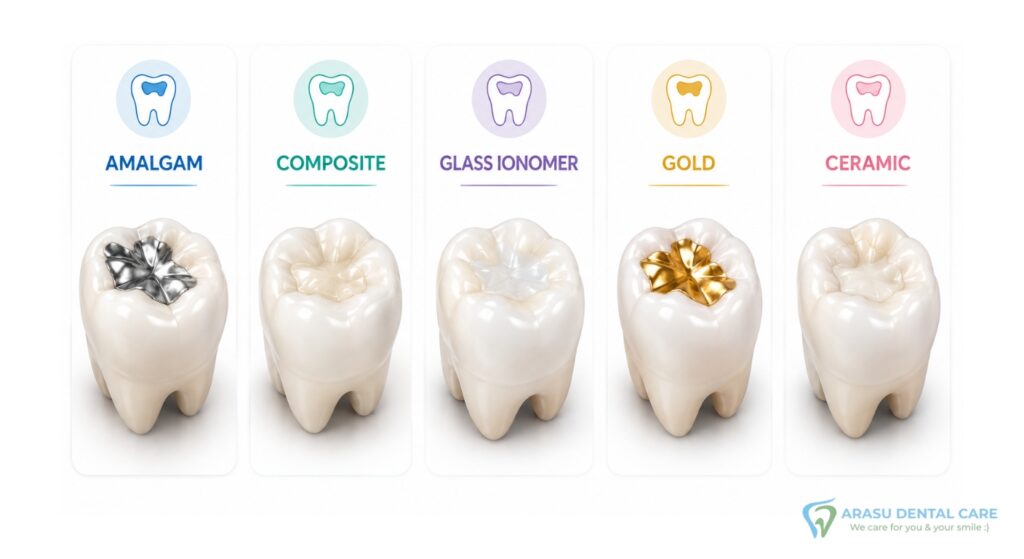
Different filling materials suit different dental needs. Your dentist will recommend the right option based on the size, location, and condition of the cavity.
- Amalgam Filling:A strong, silver-colored filling made from a mix of metals including mercury, silver, tin, and copper. It is widely known for its durability, especially for back teeth that handle heavy chewing.
- Composite Filling:A tooth-colored resin filling that blends naturally with your teeth. It is preferred for front teeth or visible areas where appearance matters.
- Glass Ionomer Filling:A fluoride-releasing material often used for children or non-biting tooth surfaces. It bonds chemically with the tooth structure.
- Gold Filling:A long-lasting but expensive option made in a lab and cemented to the tooth. It is rarely used today due to cost and aesthetics.
- Ceramic or Porcelain Filling:A tooth-colored, stain-resistant option ideal for larger cavities and patients seeking a natural look.
Key Benefits of Cavity Filling
A timely filling does much more than cover a hole in your tooth. It plays an important role in preserving your overall oral health.
- Stops Further Tooth Decay:A filling seals the cavity completely, preventing bacteria from spreading deeper into the tooth. This protects the pulp and nerves from infection.
- Restores Chewing Function:Once filled, the tooth regains its strength and shape. You can comfortably eat and chew without sensitivity or pain.
- Prevents the Need for Bigger Treatments:Treating a cavity early can help you avoid root canal therapy, dental crowns, or extraction in the future. Early care is always simpler and more affordable.
- Reduces Tooth Sensitivity:Cavities often cause sharp pain when eating sweet, cold, or hot foods. A filling closes the exposed area and brings relief from sensitivity.
- Maintains Natural Tooth Structure:Fillings help preserve as much of your natural tooth as possible. Keeping your natural tooth is always better than replacing it later.
- Improves Oral Hygiene:A smooth, filled tooth is easier to clean than a decayed one. This reduces the chance of plaque buildup and future cavities.
Why Amalgam Filling Is Still Trusted
Even with modern tooth-colored options available, an amalgam filling continues to be a reliable choice in many cases. According to the U.S. Food and Drug Administration (FDA), amalgam fillings are considered safe and effective for adults and children above six years of age.
- Strong and Long-Lasting:Amalgam fillings can last 10 to 15 years or more with proper care. They handle the pressure of chewing very well, especially in molars.
- Cost-Effective Option:Amalgam is one of the most affordable filling materials available. It is a practical choice for patients seeking durability on a budget.
- Works Well in Moist Areas:Unlike composite fillings, amalgam sets well even when complete dryness during placement is difficult to maintain. This makes it useful for back teeth.
- Proven Track Record:The American Dental Association (ADA) supports the use of amalgam as a safe and effective restorative material backed by over a century of research.
What to Expect During the Cavity Filling Procedure
Many patients feel anxious before a filling, but the process is usually quick and comfortable. Here is a simple step-by-step overview:
- Examination and X-ray:Your dentist examines the tooth and may take an X-ray to assess the depth of the cavity. This helps in planning the right treatment.
- Local Anesthesia:A numbing gel and a small injection are used to keep the area pain-free. You will feel pressure but no sharp pain during the procedure.
- Removal of Decay:The dentist gently removes the decayed portion of the tooth using a dental drill or laser. The cavity is then cleaned thoroughly.
- Filling Placement:The chosen filling material is placed, shaped, and polished to match your bite. Composite fillings are hardened with a curing light, while amalgam sets on its own.
- Final Adjustments:Your dentist checks your bite and smooths the filling to make it feel natural. The whole process usually takes 30 to 60 minutes.
Recovery After a Cavity Filling
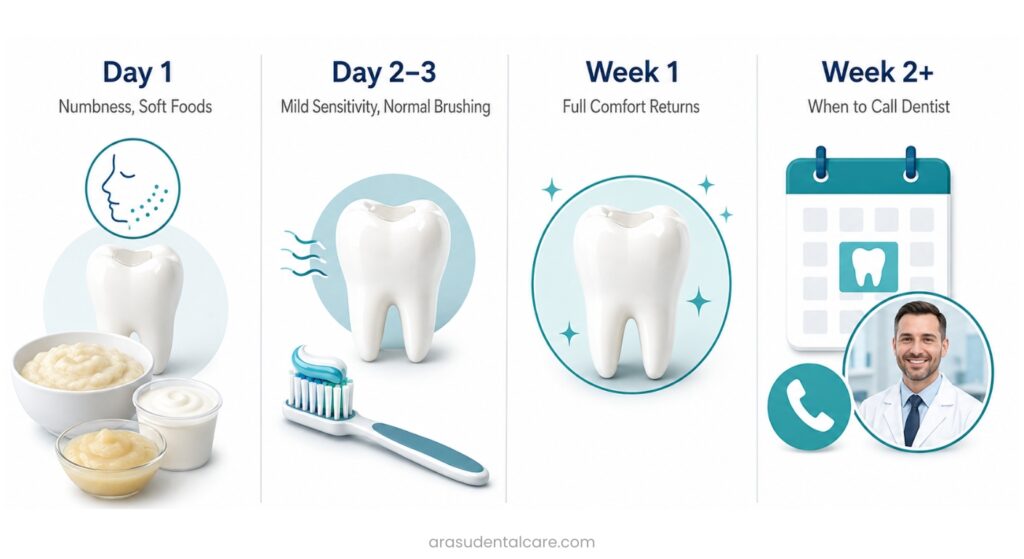
Recovery from a cavity filling is generally smooth and quick. Most patients return to normal activities the same day.
- Numbness for a Few Hours:The numbness from anesthesia may last 2 to 4 hours. Avoid chewing or drinking hot beverages until the feeling fully returns.
- Mild Sensitivity:You may notice slight sensitivity to hot, cold, or sweet foods for a few days. This usually fades on its own as the tooth settles.
- Eating Guidelines:For amalgam fillings, avoid hard or sticky foods for the first 24 hours while the material fully hardens. Composite fillings are ready immediately after the visit.
- Oral Hygiene Care:Continue brushing twice a day and flossing gently around the filled tooth. Good hygiene helps the filling last longer.
- When to Call Your Dentist: Contact your dentist if you experience sharp pain, a high bite, or sensitivity that lasts more than two weeks. Small adjustments may be needed.
Cost of Cavity Filling in India
The cost of a cavity filling depends on several factors. While prices may vary, here is a general idea for patients in India, including Coimbatore.
- Amalgam Filling:Usually ranges between ₹500 and ₹1,500 per tooth. It is the most affordable long-lasting option.
- Tooth-Colored Filling: Generally costs between ₹1,000 and ₹3,500 per tooth depending on the size and location.
- Glass Ionomer Filling:Priced around ₹800 to ₹2,000, often used for children and small cavities.
- Ceramic or Inlay Fillings:Can range from ₹4,000 to ₹10,000 per tooth due to lab fabrication and material quality.
Factors that affect the final cost include:
- Size and depth of the cavity
- Number of teeth needing treatment
- Type of filling material chosen
- Need for additional treatments such as a root canal or crown
A dental examination is the most accurate way to know the cost for your specific case.
When Should You See a Dentist?
Cavities do not always cause pain in the early stages. Watch out for these signs and book a consultation if you notice them.
- Tooth Sensitivity:Discomfort while eating cold, hot, or sweet foods is often the first warning sign of decay.
- Visible Holes or Dark Spots:Any pit, hole, or stain on the tooth surface should be checked by a dentist promptly.
- Persistent Toothache:Pain that does not go away may indicate that the decay has reached deeper layers of the tooth.
- Food Getting Stuck Often:If food repeatedly lodges in the same spot, a hidden cavity may be the cause.
According to the World Health Organization (WHO), untreated dental caries in permanent teeth is one of the most common health conditions globally, affecting nearly 2 billion people. Early treatment makes a significant difference.
Final Thoughts
A cavity filling is one of the simplest and most effective ways to protect your tooth before a small problem becomes a bigger one. Whether you choose an amalgam filling for its strength and affordability or a tooth-coloured composite for a more natural look, the most important step is getting the cavity treated on time. Delaying care almost always leads to more complex and costly treatment down the line.
If you have noticed tooth sensitivity, a visible dark spot, or any discomfort while eating, do not wait for the pain to get worse.
At Arasu Dental Care in Coimbatore, we help you choose the right filling material based on your tooth condition, budget, and personal preference — with no pressure and no unnecessary treatment. Our dentists are here to make your experience as comfortable and straightforward as possible. Book a consultation with us today and let us take care of your cavity before it takes a toll on your smile.
Frequently Asked Questions (FAQs)
1. Is an amalgam filling safe?
Yes. Major health authorities including the FDA and ADA consider amalgam fillings safe for most adults and children above six years. Your dentist can guide you based on your individual health needs.
2. How long does a cavity filling last?
Amalgam fillings can last 10 to 15 years, while composite fillings typically last 5 to 10 years. Longevity depends on oral hygiene, diet, and chewing habits.
3. Does getting a filling hurt?
The procedure itself is painless because of local anesthesia. You may feel mild pressure or vibration but no sharp pain.
4. Can I eat immediately after a filling?
You can eat after composite fillings once the numbness fades. For amalgam fillings, wait at least 24 hours before chewing on that side.
5. Why does my tooth feel sensitive after a filling?
Mild sensitivity is normal for a few days as the tooth adjusts. If it persists beyond two weeks, consult your dentist.
6. Can a cavity be treated without a filling?
Very early decay may be reversed with fluoride treatment and improved hygiene. Once a cavity forms, however, a filling is usually needed.
7. Are tooth-colored fillings better than amalgam?
Both have advantages. Composite looks natural and bonds to the tooth, while amalgam is stronger and more affordable. Your dentist will suggest the best option for your case.
8. How can I prevent cavities in the future?
Brush twice daily, floss regularly, limit sugary foods, and visit your dentist every six months for check-ups and cleanings.