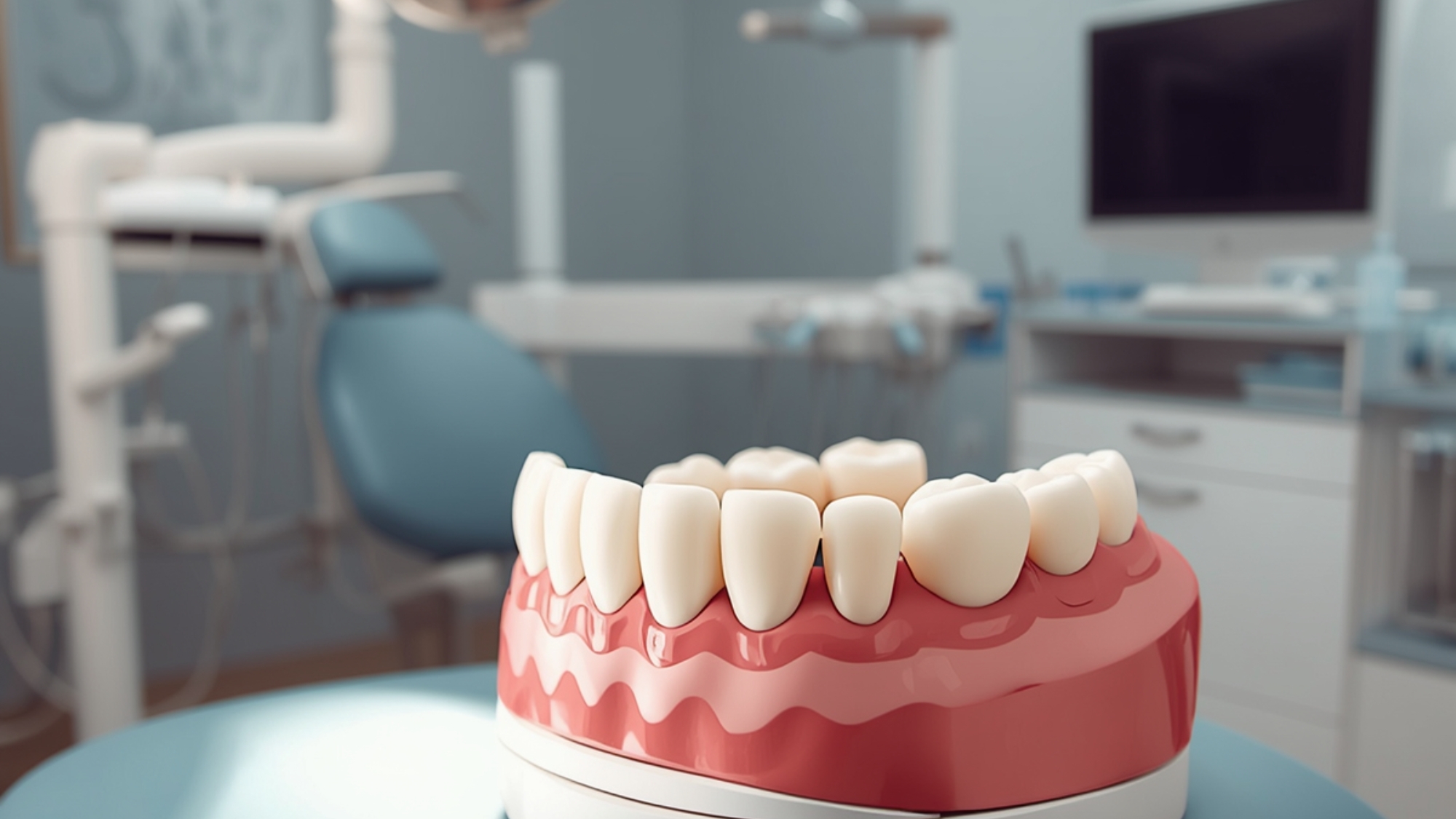
Many patients today prefer composite fillings because they look natural and can usually be completed in a single visit. In this guide, we will walk you through what composite fillings are, how the procedure works, their benefits, possible drawbacks, and how long they last — explained in a simple and patient-friendly way.
If you have a cavity or a small chip in your tooth, your dentist may suggest a composite filling to restore it. A composite filling is a tooth-colored dental material used to repair decayed, cracked, or worn teeth. It blends naturally with your tooth, supports its structure, and helps protect it from further damage.
What Is a Composite Filling?
A composite filling is a dental restoration made from a mixture of plastic resin and finely powdered glass (silica). This combination creates a strong, tooth colored filling material that bonds directly to the natural tooth surface.
Dentists often use composite fillings to:
- Repair cavities caused by tooth decay
- Restore chipped or cracked teeth
- Rebuild teeth worn down by grinding (bruxism)
- Close small gaps between front teeth
- Reshape uneven or slightly misaligned teeth
Because the material can be matched to the exact shade of your natural tooth, the filling stays almost invisible — even on front teeth.
How Composite Fillings Differ From Other Filling Materials
Several types of dental fillings are available today. Knowing the difference can help you make an informed choice with your dentist.
Amalgam (Silver) Fillings
Amalgam filling is made from a blend of metals, including silver, tin, copper, and mercury. They are strong and long-lasting but appear silver-grey, which makes them more visible. According to the American Dental Association, amalgam remains a safe and effective option, though many patients now prefer tooth-colored alternatives.
Learn how silver filling compare with tooth-colored alternatives and when they may be recommended.
Gold Fillings
Gold fillings are highly durable and can last for decades. However, they are expensive, require multiple visits, and are easily noticeable.
Ceramic Fillings
Ceramic fillings, often made of porcelain, look natural and resist staining well. They tend to be more expensive and may require more than one appointment.
Glass Ionomer Fillings
These fillings release fluoride and bond chemically with the tooth. They are commonly used for children or for fillings near the gum line, but they are less durable than composite or amalgam fillings.
Among all these options, composite fillings offer the best balance of appearance, comfort, and conservative tooth preparation for most everyday cases.
Benefits of Composite Fillings
Composite fillings have become a preferred option for both patients and dentists. Here are the main reasons why.
1. Natural Appearance
The composite material is shaded to match your natural tooth. This makes it ideal for front teeth or any visible area, where a metal filling might stand out.
2. Conservative Tooth Preparation
Unlike amalgam fillings, which need a wider cavity to hold the material in place, composite fillings bond directly to the tooth. This means your dentist can preserve more of your natural tooth structure during the procedure.
3. Strong Bonding and Tooth Support
The resin bonds chemically to the enamel and dentine, which helps reinforce the remaining tooth. This added support can reduce the risk of future fractures.
4. Quick, Single-Visit Procedure
In most cases, a composite filling can be completed in one appointment, often within 30 to 60 minutes. The material hardens quickly under a special curing light.
5. Versatile Use
Composite material is not just used for cavities. It can also repair chipped teeth, restore worn edges, and improve the shape of teeth — making it a useful option in both general and cosmetic dentistry.
6. Reduced Sensitivity to Temperature
Metal fillings can transfer heat and cold quickly, sometimes causing sensitivity. Composite fillings act as an insulator and may reduce this discomfort over time.
7. Easy to Repair
If a composite filling chips or wears down slightly, your dentist can usually repair it without replacing the entire filling.
Possible Drawbacks to Consider
While composite fillings offer many advantages, it is important to understand their limitations:
- Shorter lifespan than amalgam: Composite fillings may last around 7 to 10 years, depending on care and bite pressure.
- Slightly higher cost: They generally cost more than amalgam fillings.
- Technique-sensitive: The tooth must remain dry during placement, which requires careful handling by the dentist.
- Mild post-procedure sensitivity: Some patients feel short-term sensitivity to hot or cold, which usually settles within a few days.
Your dentist can help you weigh these factors based on the location and size of the cavity.
The Composite Filling Procedure: Step by Step
Many patients feel anxious before any dental procedure. Knowing what to expect can help you feel calmer. Here is how a typical composite filling appointment works.
Step 1: Examination and Shade Selection
Your dentist will examine the tooth, sometimes with an X-ray, to check the extent of decay. The shade of composite material is chosen early, before your tooth dries out, so the colour match looks natural.
Step 2: Local Anaesthesia
A small amount of local anaesthetic is applied to numb the tooth and surrounding gum. This keeps you comfortable during the procedure. For very small cavities, anaesthesia may not always be needed.
Step 3: Removal of Decay
Using a gentle drill or laser, the dentist carefully removes the decayed portion of the tooth. Only the damaged area is removed, preserving as much healthy tooth as possible.
Step 4: Cleaning and Preparation
The cavity is cleaned thoroughly to remove bacteria and debris. The tooth is then dried, and a mild etching gel is applied to prepare the surface for bonding.
Step 5: Bonding Agent Application
A bonding agent is brushed onto the prepared surface. This helps the composite material attach firmly to the tooth.
Step 6: Layering and Curing
The composite resin is placed in thin layers. Each layer is hardened using a special blue curing light before the next is added. This layering technique creates a strong, durable filling.
Step 7: Shaping and Polishing
Once the filling is built up, your dentist shapes it to match the natural contour of your tooth. The surface is then polished to feel smooth and look natural.
Step 8: Bite Check
Your dentist will ask you to bite down to make sure the filling fits comfortably with your other teeth. Small adjustments are made if needed.
The entire process is usually completed in 30 to 60 minutes, depending on the size of the cavity.
What to Expect After a Composite Filling
Most patients return to their normal routine immediately after the procedure. A few things to keep in mind:
- You can eat and drink soon after, since the filling hardens during the appointment.
- Mild sensitivity to hot, cold, or pressure may occur for a few days.
- If sensitivity continues for more than a week, contact your dentist.
- Avoid chewing very hard foods on the filled tooth for the first day.
If you experience pain or discomfort while biting, the filling may need a small adjustment — a quick and simple fix.
How Long Do Composite Fillings Last?
On average, a well-placed composite filling can last between 7 and 10 years, and sometimes longer with proper care. Several factors affect their lifespan:
- The size and location of the filling
- Your chewing and biting habits
- Oral hygiene practices
- Diet, especially sugar and acidic foods
- Habits like teeth grinding or nail biting
According to research published by the National Institutes of Health, modern composite materials have improved significantly, offering better wear resistance and longer durability than earlier versions.
How to Take Care of Your Composite Fillings
Good care can extend the life of your filling and protect the rest of your teeth. Here are some simple tips:
- Brush twice a day using a soft-bristled toothbrush and fluoride toothpaste.
- Floss daily to remove food particles between teeth.
- Limit sugary and acidic foods, as they may weaken the bond around the filling.
- Avoid biting hard objects such as ice, pens, or hard candy.
- Wear a night guard if you grind your teeth while sleeping.
- Visit your dentist every six months for routine checkups and cleanings.
Regular dental visits help your dentist spot early wear or small problems before they become serious.
Looking for expert dental care in Coimbatore? The team at Arasu Dental Care offers gentle, modern restorative treatments tailored to your needs. Book a consultation with our dental specialists in coimbatore today to find out which filling option is right for you — and take the next step toward a healthier, more confident smile.
When to See a Dentist
You should consider booking a dental visit if you notice:
- A visible hole, dark spot, or stain on your tooth
- Sensitivity to hot, cold, or sweet foods
- Pain while chewing
- A chipped, cracked, or rough tooth surface
- An old filling that feels loose or uneven
Early treatment is always simpler and more comfortable. Delaying care can lead to deeper decay, infection, or the need for more advanced treatment such as a root canal.
Final Thoughts
A composite filling is a reliable, natural-looking way to restore a tooth affected by decay, chipping, or wear. With modern materials and careful technique, the procedure is quick, comfortable, and long-lasting for most patients. Of course, the right treatment depends on your individual dental condition, which is best determined through an in-person examination.
If you notice tooth sensitivity, a small cavity, or a chipped tooth, do not wait for the problem to grow. Early care helps protect your natural tooth and avoids more complex treatment later.
Frequently Asked Questions
1. Are composite fillings painful?
The procedure itself is usually painless because of local anaesthesia. You may feel mild sensitivity for a few days afterward, which typically fades on its own.
2. Can composite fillings be used on back teeth?
Yes. Modern composite materials are strong enough to handle the chewing pressure on back teeth, though your dentist will assess if it is the right choice for your specific case.
3. Will a composite filling stain over time?
Composite fillings can pick up minor stains from coffee, tea, or tobacco over the years. Good oral hygiene and regular cleanings help keep them looking fresh.
4. How soon can I eat after a composite filling?
You can eat right away, as the filling hardens during the appointment. However, wait until the numbness wears off to avoid biting your cheek or tongue.
5. Can a composite filling fall out?
It is uncommon, but a filling may loosen if the bond weakens or if there is new decay underneath. If your filling feels loose, see your dentist near me promptly.
6. Are composite fillings safe for children?
Yes. Composite fillings are widely used for children because they are mercury-free and require less tooth removal.