When a child has a deep cavity or an injury that reaches the inner part of the tooth, the pulp can become infected. In such cases, a pulpectomy is often the best way to save the baby tooth and relieve your child’s pain. It is sometimes called a “baby root canal” and is a safe, well-established treatment in pediatric dentistry.
Many parents feel worried when they hear the word “root canal” linked to their child. The good news is that this treatment is gentle, effective, and helps preserve the natural tooth until it falls out on its own.
This guide explains what a pulpectomy is, why it is done, what to expect, and how it benefits your child’s long-term oral health.
What Is a Pulpectomy?
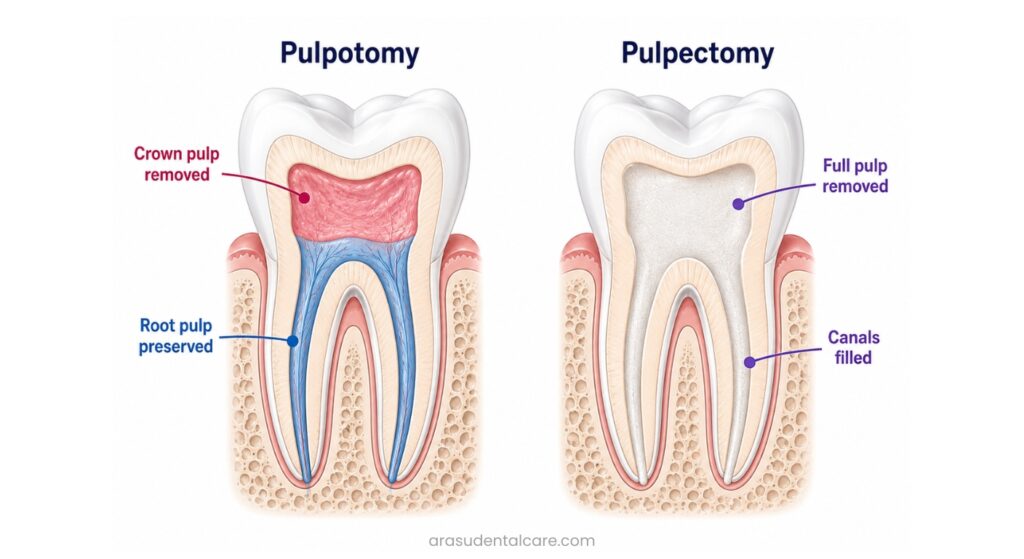
A pulpectomy is a dental procedure that removes the entire infected or damaged pulp from a baby tooth. The pulp is the soft inner tissue containing nerves and blood vessels that keeps the tooth alive.
Once the infected pulp is removed, the tooth is cleaned, disinfected, and filled with a special material that the body can naturally absorb when the baby tooth is ready to fall out. A protective crown is then placed to restore the tooth’s strength and appearance.
This treatment is different from a pulpotomy, which only removes the infected pulp from the upper part of the tooth. A pulpectomy treats infections that have spread deeper into the roots.
Why Is a Pulpectomy Needed for Children?
Baby teeth may look temporary, but they play an important role in your child’s growth and development. A pulpectomy helps save a tooth that would otherwise need to be removed.
Here are the most common reasons your child may need this treatment:
Deep tooth decay reaching the pulp: When a cavity is left untreated for too long, bacteria can travel deep into the tooth. This causes inflammation or infection of the inner pulp.
Dental trauma or a cracked tooth: A fall or hard impact can fracture a baby tooth and expose the pulp. Even if the crack looks small, it may damage the nerve inside.
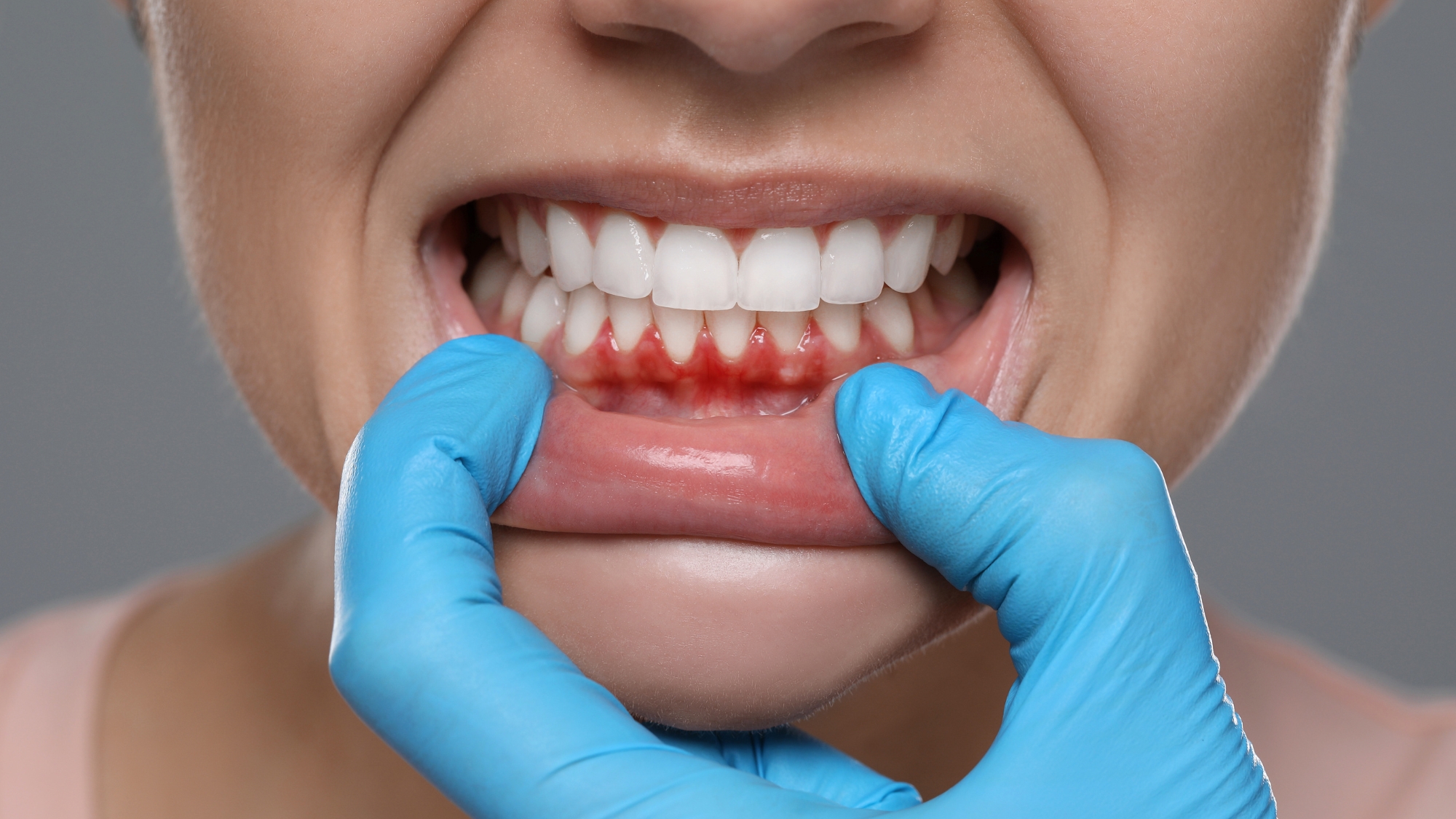
Severe toothache or swelling: Constant pain, especially at night, often points to pulp infection. Swelling on the gums or face is another warning sign that needs urgent dental care.
Dental abscess or pus discharge: A small bump or pimple on the gum near the tooth usually means infection has reached the root. This requires prompt attention to prevent it from spreading.
According to the American Academy of Pediatric Dentistry, saving a baby tooth through pulp therapy helps avoid the long-term problems caused by early tooth loss.
Why Saving a Baby Tooth Matters
Some parents wonder if it is easier to simply remove the affected tooth since it will fall out anyway. However, baby teeth have important roles that go beyond temporary use.
Holds space for permanent teeth: Each baby tooth reserves the correct space for the adult tooth that will replace it. Losing it early can cause crowding or crooked permanent teeth.
Supports proper chewing and nutrition: Children need their teeth to chew food well. Missing teeth can make eating difficult and may affect nutrition.
Helps with clear speech development: Front baby teeth help children learn to pronounce sounds correctly. Early loss can affect speech clarity.
Protects confidence and smile: A healthy, complete smile helps children feel comfortable while eating, talking, and playing with friends.
Signs Your Child May Need a Pulpectomy
Children may not always describe dental pain clearly. As a parent, watching for these signs can help you seek timely care.
Persistent toothache: Pain that does not go away with simple home care often signals deeper infection. Your child may complain more during meals or at bedtime.
Sensitivity to hot and cold: Lingering discomfort after eating warm or cold foods can indicate pulp inflammation. Healthy teeth usually recover from temperature changes quickly.
Swelling around the tooth or face: Visible swelling on the gum or cheek is a clear sign of infection. This needs prompt evaluation by a dentist.
Loose tooth without a clear reason: A baby tooth that becomes loose well before its natural time may have an underlying infection. A dental check-up can confirm the cause.
Dark or discolored tooth: A baby tooth turning grey or brown can indicate that the inner pulp is damaged. This often requires further dental examination.
The Pulpectomy Procedure: Step by Step
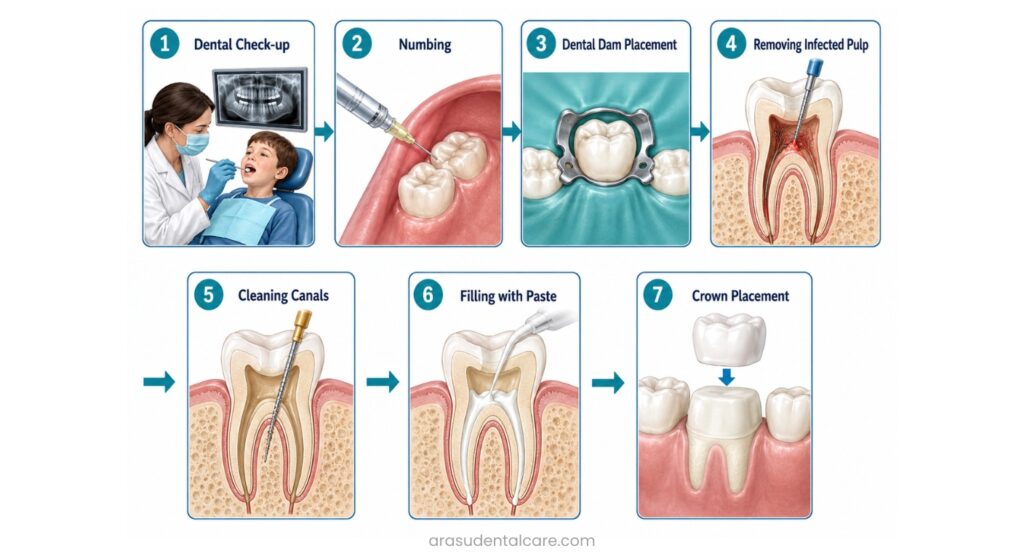
Understanding the steps can help reduce anxiety for both you and your child. The treatment is usually completed in one visit and is designed to be as comfortable as possible.
Step 1 – Examination and X-ray: The dentist examines the tooth and takes an X-ray to assess the infection. This helps plan the treatment accurately.
Step 2 – Local anesthesia: The area around the tooth is gently numbed so your child does not feel pain. In some cases, mild sedation may be used to help anxious children relax.
Step 3 – Tooth isolation: A small rubber sheet called a dental dam is placed over the tooth. This keeps the area clean and dry during treatment.
Step 4 – Removing the infected pulp: The dentist creates a small opening in the tooth and carefully removes all the infected pulp from the crown and root canals.
Step 5 – Cleaning and disinfecting: The empty canals are washed and disinfected to remove any remaining bacteria. This step is important to prevent reinfection.
Step 6 – Filling the canals: The canals are filled with a safe, resorbable paste that dissolves naturally as the permanent tooth develops underneath.
Step 7 – Sealing and crown placement: The tooth is sealed and usually covered with a stainless steel crown. This protects the tooth and helps it function normally until it falls out naturally.
The whole process usually takes about 45 minutes to an hour.
Benefits of Pulpectomy for Children
A pulpectomy offers several important benefits beyond just relieving pain.
Relieves pain and infection: The treatment removes the source of infection completely. This brings quick relief from toothache and swelling.
Saves the natural baby tooth: Keeping the original tooth is always better than removing it. It supports normal chewing, speaking, and smiling.
Protects developing permanent teeth: Untreated infection in a baby tooth can affect the permanent tooth growing beneath it. A pulpectomy helps prevent this risk.
Maintains proper space and alignment: The treated tooth holds the correct space until the adult tooth is ready to come in. This reduces the chance of orthodontic problems later.
Avoids the need for space maintainers: When a tooth is extracted early, a space maintainer is often needed. Saving the tooth naturally avoids this extra step.
A long-term clinical study published in the Journal of Dental Sciences confirms that pulpectomy has high success rates in preserving primary teeth, especially when followed by good crown restoration.
What to Expect After the Procedure
Recovery after a pulpectomy is usually smooth and quick. Most children return to their normal routine the next day.
Mild numbness for a few hours: The numbing medicine slowly wears off over one to two hours. Avoid letting your child eat until full sensation returns.
Slight soreness for a day or two: Some tenderness around the tooth is normal. Over-the-counter pain relievers, if recommended by the dentist, can help.
Soft food for the first few days: Stick to soft foods like rice, soup, or yogurt initially. Avoid sticky or hard foods that may stress the new crown.
Gentle brushing and flossing: Continue regular oral care, but be gentle around the treated tooth. This keeps the area clean during healing.
Follow-up visits: Regular check-ups help ensure the tooth heals well and stays healthy until it falls out naturally.
Contact your dentist if your child has severe pain, swelling, or fever after the procedure.
How to Help Your Child Avoid Future Pulp Problems
Prevention is always better than treatment. A few simple habits can protect your child from future dental issues.
Brush twice a day with fluoride toothpaste: Help young children brush properly until they can do it well on their own. Use a small, soft-bristled toothbrush.
Limit sugary snacks and drinks: Frequent sugar exposure increases the risk of cavities. Offer water, milk, and healthy snacks instead.
Schedule regular dental check-ups: Routine visits every six months help catch problems early. Small cavities can often be treated with simple fillings before they reach the pulp.
Use a mouthguard for sports: Children involved in active play or sports benefit from a custom mouthguard. This helps prevent dental trauma.
Treat cavities early: Do not wait for pain to start. Early treatment can save your child from needing more extensive procedures later.
When to See a Pediatric Dentist
If your child complains of ongoing tooth pain, sensitivity, swelling, or shows signs of a cracked tooth, it is best to schedule a dental visit promptly. Early diagnosis often makes treatment simpler and more comfortable for your child.
Only a dental examination can confirm whether your child needs a pulpectomy or another type of treatment. Each case is different, and the right approach depends on your child’s overall oral health.
Frequently Asked Questions
1. Is a pulpectomy painful for my child?
No. The procedure is done under local anesthesia, so your child should not feel pain during the treatment. Mild soreness afterwards is normal and easily managed.
2. How long does the procedure take?
A pulpectomy usually takes about 45 minutes to an hour. Most children can complete the treatment in a single visit.
3. Will the treated tooth fall out naturally?
Yes. The filling material used inside the tooth is designed to dissolve as the permanent tooth grows underneath. The baby tooth then falls out at its natural time.
4. Is a pulpectomy safe for young children?
Yes, it is a routine and safe procedure when performed by a trained pediatric dentist. The tools, materials, and techniques are designed specifically for small mouths.
5. What happens if I choose to extract the tooth instead?
Early extraction can cause space loss, leading to crooked permanent teeth. Your child may also need a space maintainer. Saving the tooth is usually the better long-term choice.
6. How do I know if my child needs a pulpectomy or a pulpotomy?
The dentist decides this based on how deep the infection has spread. Pulpotomy treats infection in the upper pulp, while pulpectomy treats infection that has reached the root canals of the tooth.
7. What happens if my child’s pulpectomy is left untreated?
Leaving a tooth that requires a pulpectomy untreated can have serious consequences on your child’s overall oral health and general well-being. The infection can rapidly spread from the root canals to the surrounding bone, gum tissue, and even neighboring teeth, causing severe pain, swelling, and abscess formation.
8. How long does it take to recover after a pulpectomy?
Recovery after a pulpectomy is generally quick and straightforward for most children. Mild soreness or sensitivity around the treated area is normal for a day or two and can be relieved with appropriate children’s pain medication.