When your dentist recommends a filling, you may hear several material options mentioned during the consultation. One of them is the glass ionomer filling, a tooth-coloured material that does more than simply close a cavity. The advantages of glass ionomer filling include continuous fluoride release, a natural chemical bond with the tooth, and a gentle approach that preserves more of your healthy tooth structure.
For many patients, especially children, those at higher risk of decay, or anyone needing a filling near the gumline, this material can be a thoughtful and protective choice. In this guide, we explain what a glass ionomer filling is, how it works, when it is recommended, and what makes it different from other filling options.
What Is a Glass Ionomer Filling?
A glass ionomer filling is a tooth-coloured dental filling restorative material made from a mixture of silicate glass powder and a water-based organic acid (usually polyacrylic acid). When these two components are mixed, they form a paste that bonds chemically to the tooth and slowly hardens in place.
What makes this material unique is its ability to release fluoride steadily over time. Fluoride is a mineral that strengthens enamel and helps prevent further tooth decay. So, in addition to filling a cavity, a glass ionomer filling continues to support the tooth long after it has been placed.
Glass ionomer cement is widely recognised in dentistry and even appears on the World Health Organization’s List of Essential Medicines, which speaks to its global clinical value.
Key Advantages of Glass Ionomer Filling
Each filling material has its place in modern dentistry. Glass ionomer offers a specific set of benefits that make it a preferred choice in certain clinical situations.
1. Continuous Fluoride Release
This is one of the most well-known advantages. A glass ionomer filling slowly releases fluoride into the surrounding tooth structure. This helps:
- Strengthen the enamel around the filling
- Reduce the risk of new decay forming at the edges
- Support remineralisation of the tooth
For patients who are prone to cavities, have weakened enamel, or experience dry mouth, this ongoing fluoride release can be very protective.
2. Chemical Bond to the Tooth
Glass ionomer bonds directly to both enamel and dentin (the layer beneath the enamel). Unlike some other materials, it does not always require a separate bonding agent or extensive etching. This chemical bond:
- Creates a tight seal that helps reduce bacterial leakage
- Lowers the risk of secondary decay under the filling
- Helps the filling stay in place even with minimal mechanical retention
3. Minimal Removal of Healthy Tooth Structure
Because the material bonds chemically to the tooth, your dentist does not need to drill away as much healthy tooth to create a mechanical lock for the filling. This conservative approach is especially helpful for:
- Small to moderate cavities
- Cervical lesions near the gumline
- Pediatric (children’s) restorations
Preserving more of your natural tooth is always a good thing for long-term dental health.
4. Tooth-Coloured and Natural in Appearance
Glass ionomer fillings are tooth-coloured, which makes them more aesthetically pleasing than traditional silver amalgam fillings. While the colour match may not be as precise as composite filling, it blends well in areas where appearance is not the primary concern.
5. Tolerates Slight Moisture During Placement
Composite resin fillings need a completely dry working area to bond well. Glass ionomer is more forgiving and can still bond effectively when the area has slight moisture. This is a major advantage when:
- Filling teeth near the gumline
- Treating young children who may not stay still for long
- Working in areas that are difficult to keep perfectly dry
6. Biocompatible and Gentle on the Tooth
Glass ionomer is generally well tolerated by the soft tissues and the pulp of the tooth. The acid used in the material is mild compared to some other dental cements, which makes it a comfortable choice for most patients. Allergic reactions are rare.
7. Helps Prevent Recurrent Decay
Because of the combination of fluoride release and a tight chemical seal, glass ionomer fillings are especially useful in patients with a history of repeated cavities. This ability to actively discourage new decay is one of the strongest reasons dentists choose this material in higher-risk cases.
8. Useful in Many Different Dental Procedures
Glass ionomer is a versatile material. It can be used as:
- A direct filling for small to medium cavities
- A liner or base under another restoration
- A luting (cementing) agent for crowns and bridges
- A pit and fissure sealant
- A core build-up material in some cases
- A temporary or interim restoration
When Is a Glass Ionomer Filling Recommended?
A glass ionomer filling is not the right choice for every cavity. Your dentist will assess the location, size, and bite pressure on the tooth before recommending it. The right treatment depends on your individual dental condition.
It is often suggested in the following situations:
For children’s teeth: Baby teeth do not need to last a lifetime, but they do need protection from further decay. The fluoride release and gentle bonding make glass ionomer a comfortable and protective choice.
For cavities near the gumline: These areas are difficult to keep dry during a procedure. Glass ionomer’s ability to bond in slight moisture makes it more reliable in this zone.
For patients prone to decay: If you have a history of frequent cavities, dry mouth, or weakened enamel, the continuous fluoride release offers added protection.
As a temporary or interim filling: When a tooth needs more involved treatment later (such as a crown or root canal), a glass ionomer filling can serve as a strong protective layer in the meantime.
As a base or liner under other fillings: It can be placed underneath a composite filling to seal the dentin and provide added protection.
What to Expect During the Procedure
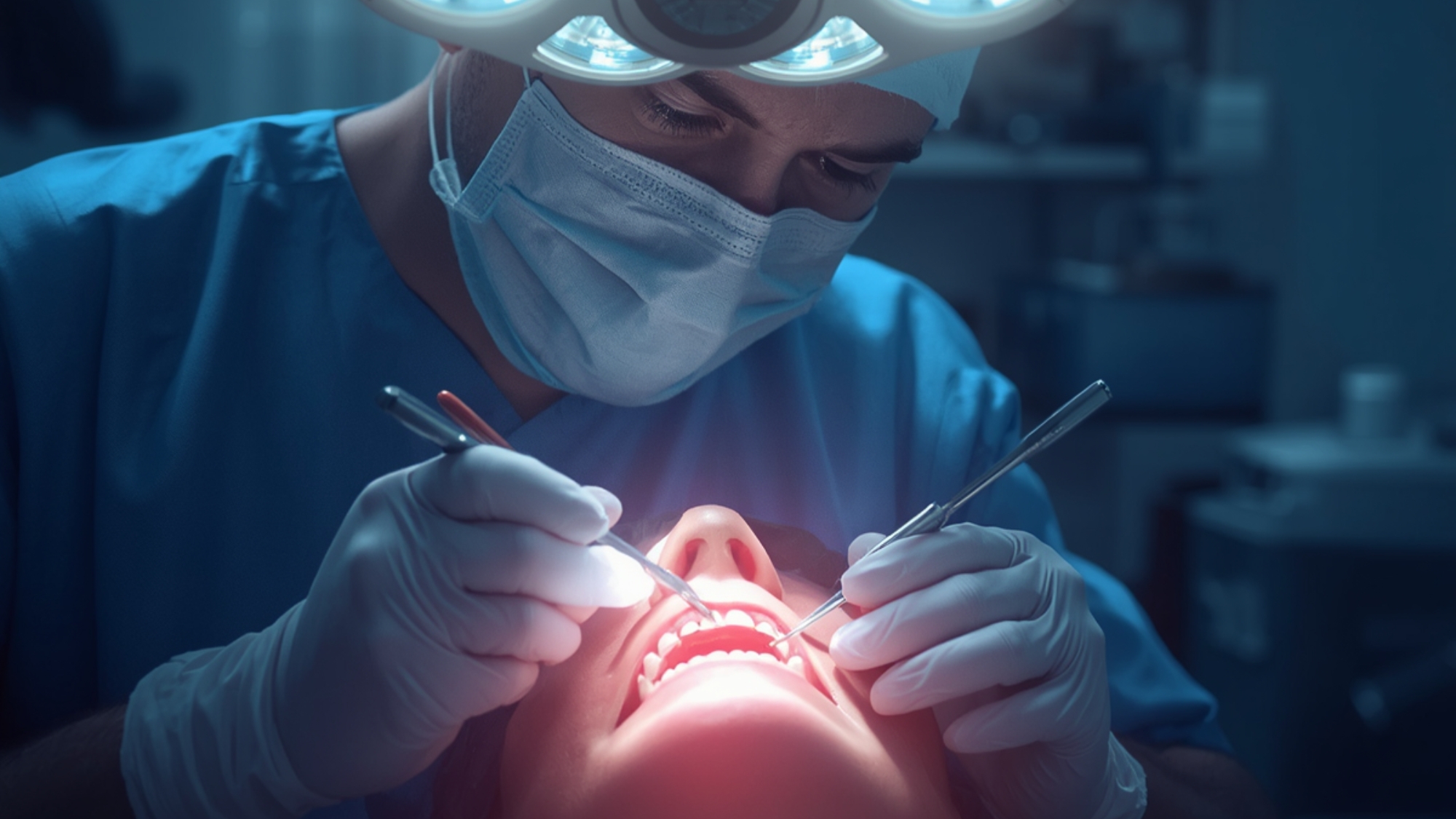
A glass ionomer filling is a straightforward and comfortable procedure. Here is what usually happens:
- The dentist examines the tooth and confirms the cavity through clinical examination and X-rays
- The decayed portion of the tooth is gently removed
- The cavity is cleaned and lightly conditioned to prepare it for bonding
- The glass ionomer material is mixed and placed while it is still workable
- It is shaped to fit the tooth before it begins to set
- A protective coating is often applied over the surface to support proper setting
The initial set takes only a few minutes, but full hardening continues over the next 24 hours. You may be advised to eat soft foods and avoid biting hard items on that tooth for the rest of the day.
How Long Does a Glass Ionomer Filling Last?
The lifespan of a glass ionomer filling depends on its location and the bite pressure it experiences. In general:
- In high-bite areas, it may last around 3 to 5 years
- In low-pressure areas (such as near the gumline), it can last considerably longer
- In baby teeth, it usually lasts until the tooth naturally falls out
Recovery time and longevity may vary from person to person. Regular dental check-ups help your dentist monitor the filling and recommend timely replacement if needed.
Glass Ionomer vs Other Filling Materials
Each filling material has its strengths. Here is a simple comparison to help you understand where glass ionomer fits in:
| Property | Glass Ionomer | Composite Resin | Amalgam |
| Fluoride release | Yes, continuous | No | No |
| Tooth-coloured | Yes | Yes (best match) | No |
| Bonds to tooth | Chemically | Requires bonding agent | No (mechanical only) |
| Strength | Moderate | High | Very high |
| Best suited for | Children, gumline, high-risk cases | Most adult fillings | Large back-tooth cavities |
According to research published by the National Institutes of Health, glass ionomer materials continue to play an important role in modern restorative dentistry, particularly because of their fluoride-releasing and bioactive properties.
Are There Any Limitations?
While glass ionomer offers many advantages, it is important to be balanced and realistic. Some limitations include:
- Lower strength compared to composite resin in high-pressure chewing areas
- Slightly less aesthetic precision than composite for highly visible front teeth
- Shorter lifespan in load-bearing areas
This is why your dentist may sometimes recommend a different material for back teeth or large cavities. The right choice always depends on the individual tooth and your overall oral health.
When to See a Dentist
If you notice tooth sensitivity, a visible cavity, pain while chewing, or rough edges on a tooth, it is a good idea to schedule a dental checkup. Early treatment usually means a smaller filling, less discomfort, and better long-term results.
Final Thoughts
A glass ionomer filling is more than just a way to close a cavity. With its ability to bond chemically, release fluoride, and protect the tooth over time, it offers real value in the right clinical situations. While it is not suitable for every tooth, it remains one of the most patient-friendly and protective filling options available today.
If you are experiencing tooth sensitivity, suspect a cavity, or simply want to understand which filling option suits you best, a dental consultation can help. Our team at Arasu dental care in coimbatore is here to examine your tooth, explain your options clearly, and help you make an informed decision without any pressure. Book a consultation today to take the next step toward a healthier smile.
Frequently Asked Questions
Is a glass ionomer filling safe?
Yes. Glass ionomer is biocompatible and well tolerated by the body. Allergic reactions are rare, making it a safe option for most patients, including children.
Can I eat after getting a glass ionomer filling?
It is best to eat soft foods for the rest of the day. The material continues to harden over the next 24 hours, so avoid biting hard or chewy items on that tooth during this period.
Does it look like a natural tooth?
Yes, it is tooth-coloured. The shade match may not be as precise as composite resin, but it blends well in most areas of the mouth.
Why does my dentist recommend glass ionomer for my child’s tooth?
Because of its fluoride release, gentle bonding, and ability to set even in slightly moist conditions, glass ionomer is often the most practical and protective choice for primary (baby) teeth.
Will a glass ionomer filling prevent future cavities?
It cannot guarantee prevention, but the steady fluoride release helps reduce the risk of new decay forming around the filling. Good oral hygiene and regular dental visits remain essential.
How do I know which filling material is right for me?
A dental examination can help identify the exact condition of your tooth. Your dentist will explain the options and recommend the most suitable material based on your individual case.