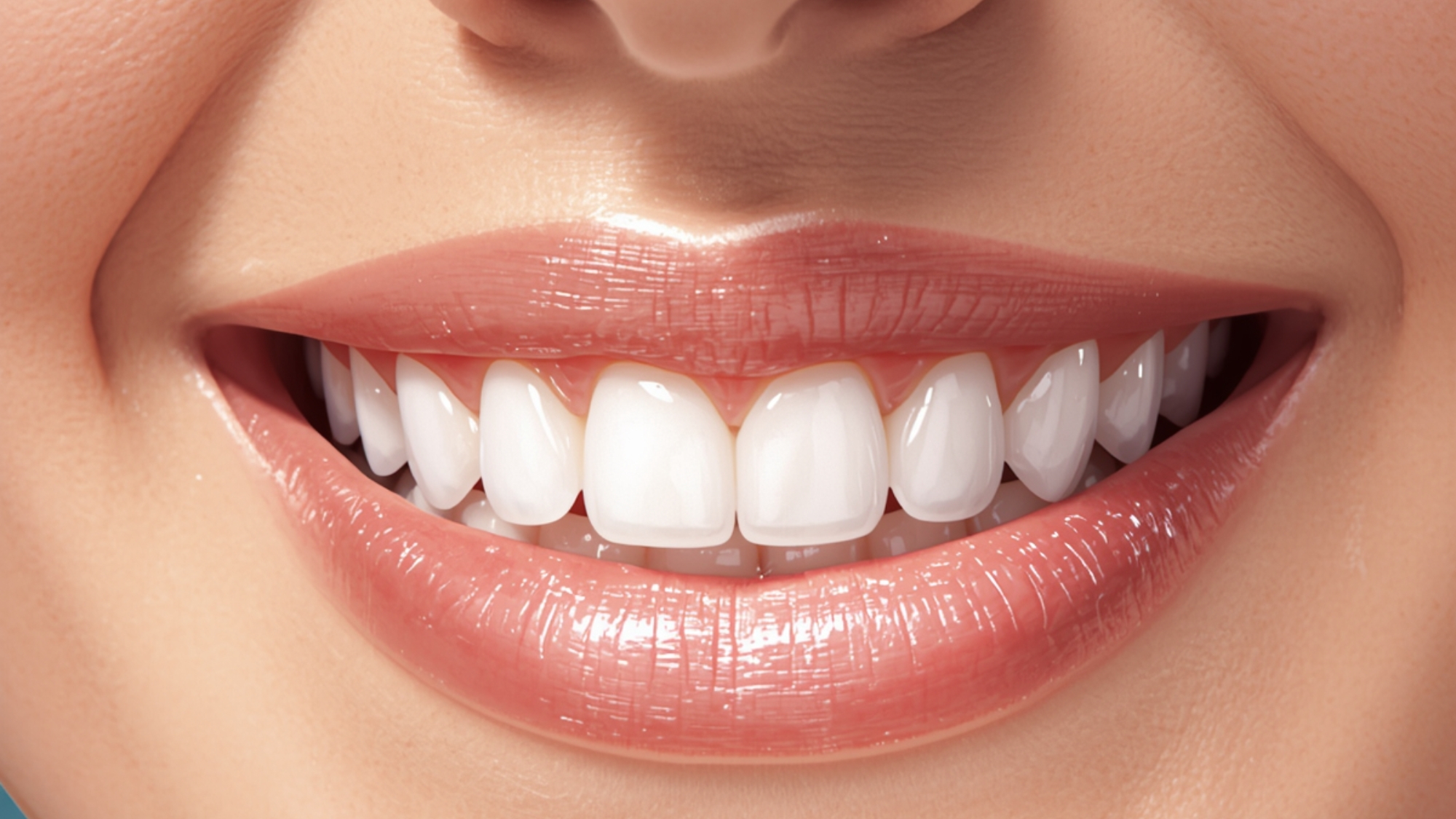
Losing a tooth can affect more than just your smile. It can change the way you chew, speak, and feel about yourself. A removable dental bridge is one of the simpler and more affordable ways to replace missing teeth without surgery.
Among the different types of dental bridges available today, the removable option is often chosen by patients who want a non-invasive solution. This guide explains how it works, what to expect during treatment, and how it compares to other tooth replacement options.
If you have been searching for a clear and honest explanation of removable dental bridges, this blog will help you understand the treatment from a patient’s point of view.
What Is a Removable Dental Bridge?
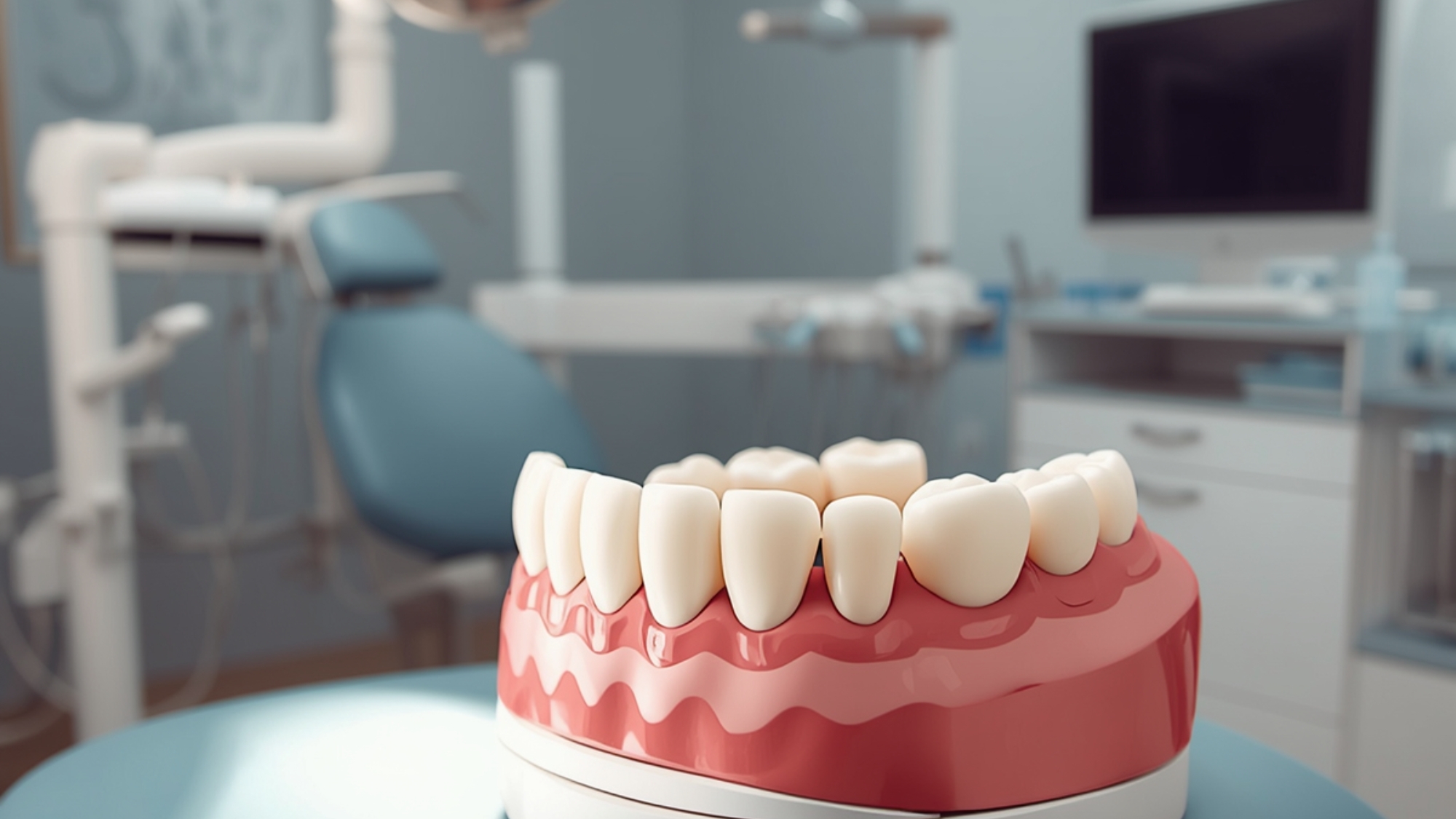
A removable dental bridge is a dental appliance used to replace one or more missing teeth. Unlike a fixed bridge, it is not cemented in place and can be taken out for cleaning.
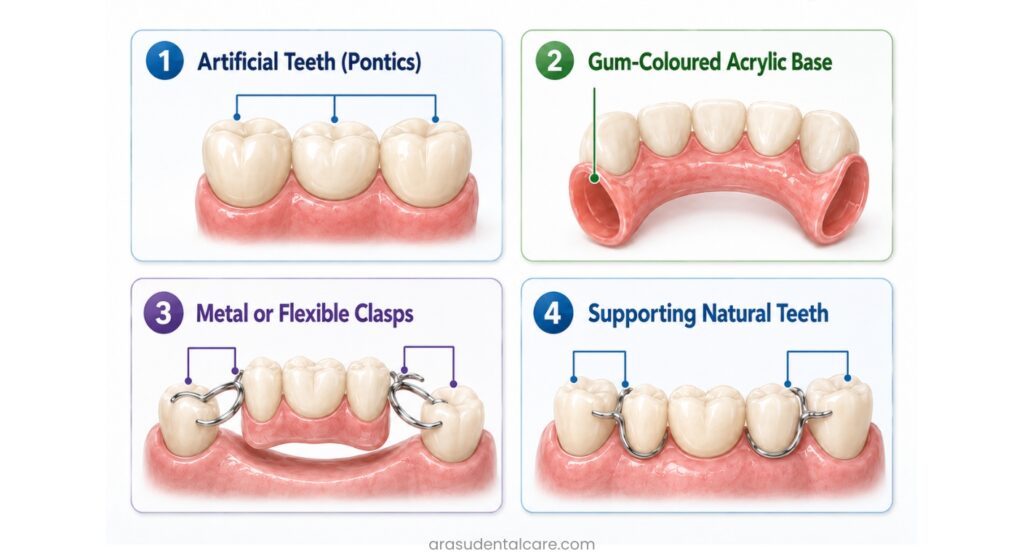
It usually has artificial teeth attached to a gum-coloured base, supported by small metal or acrylic clasps that hold onto your natural teeth. This makes it a comfortable and easy-to-maintain option for many patients.
In dentistry, this type of appliance is also known as a removable partial denture, which works similar to a bridge in function.
How Is a Removable Bridge Different from a Fixed Bridge?
Many patients get confused between fixed and removable bridges. Both replace missing teeth, but the way they work is different.
A fixed bridge is permanently cemented to the natural teeth on either side of the gap. A removable bridge, on the other hand, clips onto the surrounding teeth and can be taken out anytime.
Each has its own role, and your dentist will suggest the right one based on your oral condition, number of missing teeth, and bone health.
When Is a Removable Dental Bridge Recommended?
Not everyone needs the same type of bridge. A removable bridge is often suggested when other options are not suitable or when a patient prefers a simpler approach.
Multiple missing teeth in the same arch:
When several teeth are missing in different areas, a removable bridge can replace them all at once. It is a practical solution when a fixed bridge is not possible.
Weak supporting teeth:
If the teeth next to the gap are not strong enough to support a fixed bridge, a removable option is gentler. It spreads the chewing pressure across multiple teeth and the gums.
Patients not ready for dental implants:
Implants require surgery and healing time. A removable bridge is a non-surgical alternative that still restores function and appearance.
Budget-friendly tooth replacement:
Removable bridges are usually more affordable than implants or long fixed bridges. They are a helpful option when cost is a concern.
Temporary tooth replacement:
Sometimes, a removable bridge is used while waiting for an implant or a permanent restoration to be ready.
Types of Removable Dental Bridges
There are a few different designs of removable bridges. Each one is built to suit a different need or comfort level.
Acrylic removable bridge:
Made mostly of acrylic with metal clasps, this is the most common and affordable type. It is light and easy to adjust, but slightly less durable than other materials.
Cast metal removable bridge:
This type has a strong metal framework with acrylic teeth. It is more durable, fits well, and is often preferred for long-term use.
Flexible removable bridge:
Made from a soft, flexible material like nylon, this option blends naturally with the gums. It is comfortable and avoids visible metal clasps.
Flipper (temporary removable bridge):
A flipper is a lightweight, short-term bridge used to fill a gap temporarily. It is helpful while waiting for a more permanent restoration.
The Removable Dental Bridge Procedure
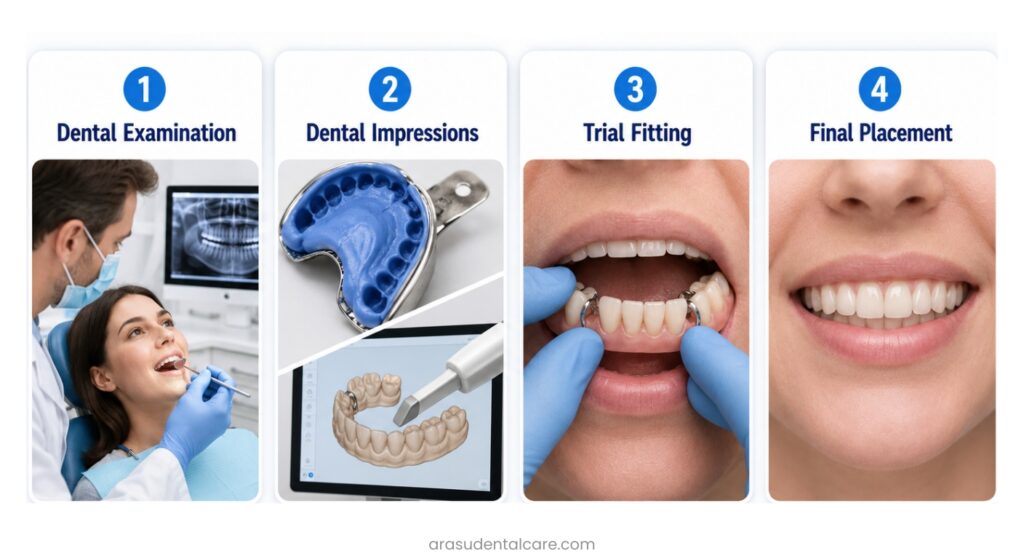
Getting a removable bridge usually takes two to four short visits. The process is simple, painless, and does not involve any surgery.
Step 1 – Dental examination and planning:
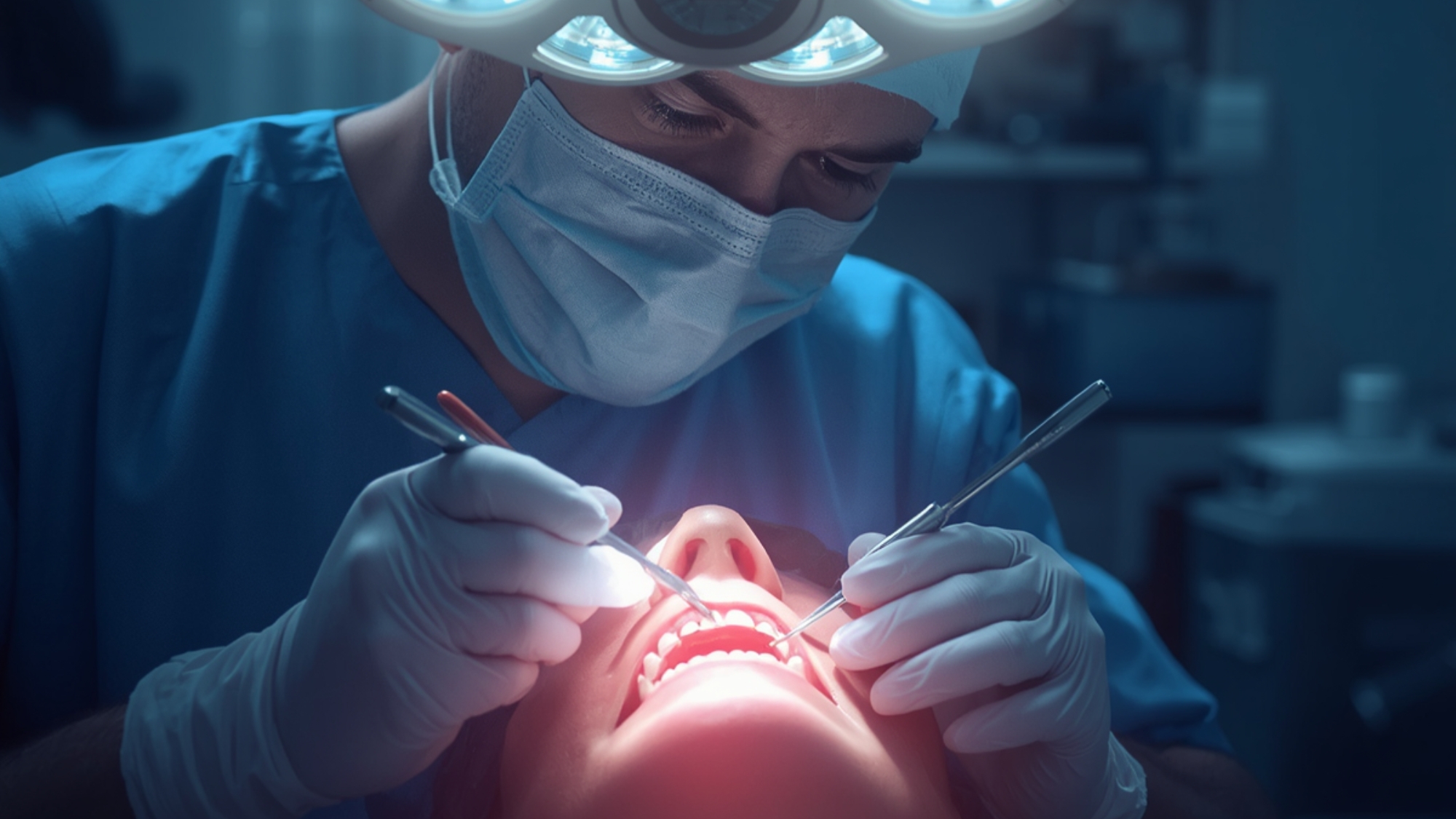
Your dentist will check your teeth, gums, and bite. X-rays may be taken to look at the supporting teeth and bone before planning the bridge.
Step 2 – Dental impressions:
A mould of your teeth is taken. This impression is sent to a dental lab where the bridge is custom-made to fit your mouth.
Step 3 – Trial fitting:
Once the bridge is ready, it is tried in your mouth to check the fit, comfort, and bite. Small adjustments are made if needed.
Step 4 – Final placement and instructions:
The bridge is fitted, and your dentist will guide you on how to wear, remove, and clean it properly. You may need a short adjustment period to get used to it.
According to the American Dental Association, replacing missing teeth promptly helps maintain proper bite alignment and prevents further oral health issues.
Benefits of a Removable Dental Bridge
Removable bridges offer several practical advantages, especially for patients who want a simple and reversible option.
Non-surgical treatment:
No cutting, drilling, or implant placement is needed. The treatment is comfortable and suitable for most patients.
Restores chewing and speech:
Missing teeth can make it hard to eat certain foods or pronounce words clearly. A removable bridge brings back normal function.
Improves appearance and confidence:
The artificial teeth are designed to match your natural ones. This helps restore your smile and self-confidence.
Easy to clean and maintain:
Since the bridge can be removed, cleaning both the appliance and your natural teeth becomes simple and thorough.
Protects remaining teeth:
By filling the gap, the bridge prevents nearby teeth from shifting or tilting into the empty space.
Affordable option:
Compared to implants or fixed bridges, removable bridges are usually more budget-friendly, making them accessible to more patients.
Possible Drawbacks to Consider
While removable bridges are useful, they may not suit every patient. Knowing the limitations helps you make an informed choice.
Needs adjustment period:
It may take a few days or weeks to feel fully comfortable while eating or speaking with a new bridge.
Less stable than fixed options:
Removable bridges can move slightly while chewing. They are not as firm as fixed bridges or implants.
Requires daily cleaning:
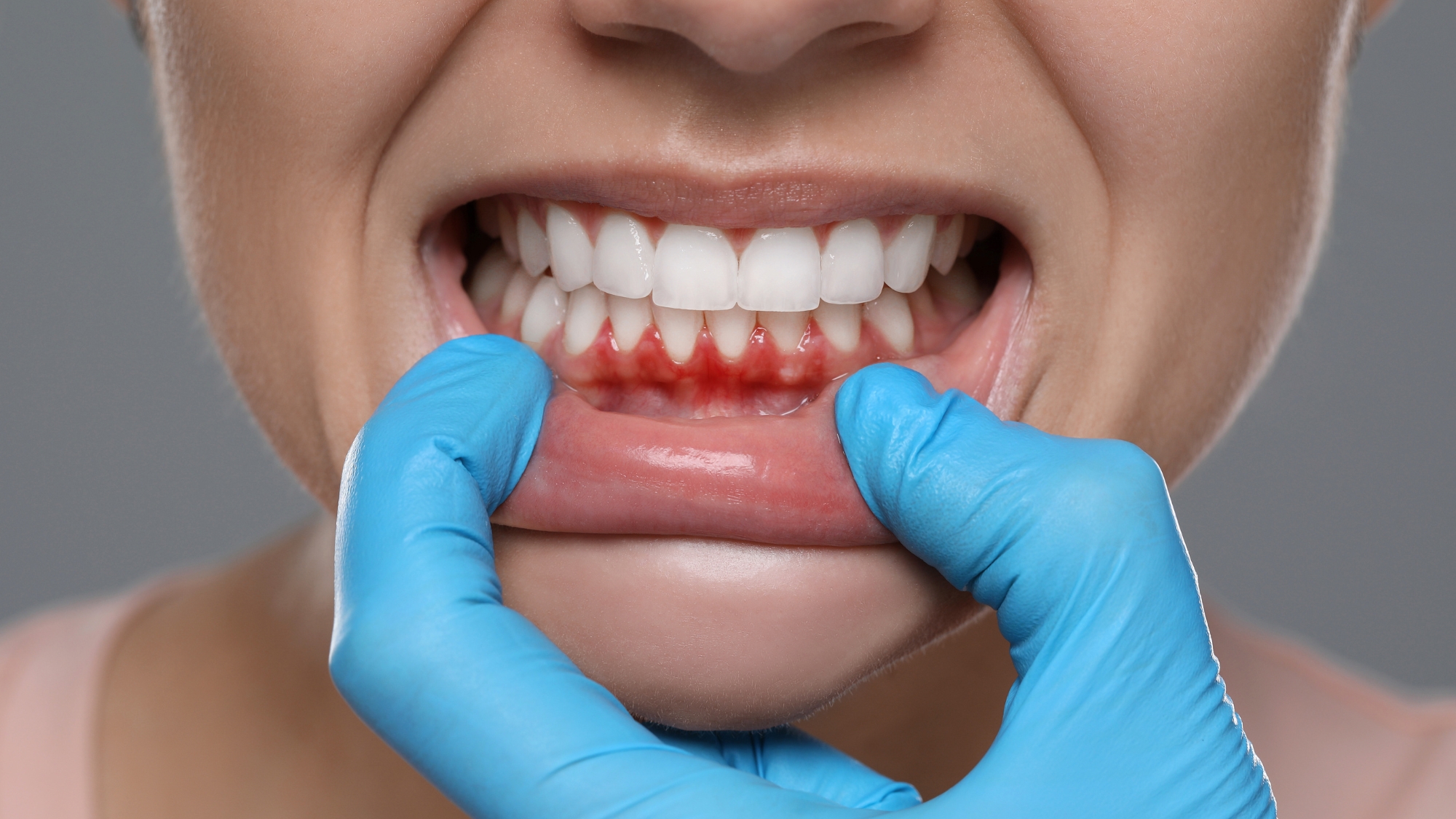
The bridge must be taken out and cleaned every day to prevent plaque buildup and gum irritation.
May need future adjustments:
Over time, your gums and bone may change shape, and the bridge may need to be relined or replaced.
How to Care for Your Removable Dental Bridge
Good care helps your bridge last longer and keeps your mouth healthy. The routine is simple but important.
Clean it daily:
Remove the bridge and gently brush it with a soft brush and mild soap or denture cleaner. Avoid regular toothpaste, as it can be too abrasive.
Maintain natural teeth and gums:
Brush your remaining teeth twice a day and floss carefully. Healthy supporting teeth help keep the bridge stable.
Soak when not in use:
Keep the bridge in water or a denture-soaking solution overnight. This prevents it from drying out or losing shape.
Avoid hard or sticky foods:
Foods like hard nuts, sticky candies, or ice can damage the bridge or loosen the clasps.
Visit your dentist regularly:
Routine check-ups help detect any fit issues, gum changes, or wear early. As suggested by the Cleveland Clinic, regular dental visits play a key role in maintaining bridge longevity.
Removable Bridge vs. Fixed Bridge vs. Implant
Choosing the right option depends on your needs, comfort, and budget. Here is a simple comparison to help you understand the differences.
Removable bridge:
Non-surgical, affordable, and easy to clean. Best for patients who want a simple solution or have multiple missing teeth.
Fixed bridge:
Permanently cemented and feels more like natural teeth. Suitable when nearby teeth are strong and healthy.
Dental implant:
A long-lasting option that replaces both the tooth and root. Ideal for patients with good bone support who prefer a permanent fix.
A consultation with your dentist will help decide which option is best for your oral health and lifestyle.
How Long Does a Removable Dental Bridge Last?
With proper care, a removable bridge can last anywhere between 5 to 10 years. Some may last longer, depending on the material, fit, and oral hygiene.
Over time, natural changes in your gums and jawbone may require small adjustments or replacement. Regular dental visits can help maintain its comfort and function.
Conclusion
A removable dental bridge can be a comfortable, affordable, and effective way to replace missing teeth. It restores your smile, helps you chew and speak properly, and protects your remaining teeth from shifting.
The right choice depends on your oral health, number of missing teeth, and personal preferences. A dental checkup near me is the best way to know which option suits you.
If you are in Coimbatore and looking to explore tooth replacement options, the team at Arasu Dental Care can help guide you with a clear and caring approach. Book a consult a dentist to understand which type of dental bridge fits your needs best.
Frequently Asked Questions
1. Is a removable dental bridge painful to wear?
No, it is not painful. You may feel slight pressure or fullness during the first few days, but this fades as you get used to it.
2. Can I eat normally with a removable bridge?
Yes, most foods can be eaten comfortably. It is better to avoid very hard or sticky foods to protect the bridge.
3. How often should I remove and clean it?
Clean it at least once a day, preferably at night. Removing it during sleep also gives your gums time to rest.
4. Will the bridge look natural?
Yes, modern removable bridges are designed to closely match the colour and shape of your natural teeth.
5. Can a removable bridge be converted into a fixed one later?
Yes. If your oral health improves or you choose implants later, the treatment plan can be updated accordingly.
6. Does insurance cover removable dental bridges?
Many dental insurance plans partially cover removable bridges. Check with your provider for exact benefits.
7. How soon after tooth loss can I get one?
Usually, a removable bridge can be made within a few weeks after tooth extraction, once the gums have healed properly.