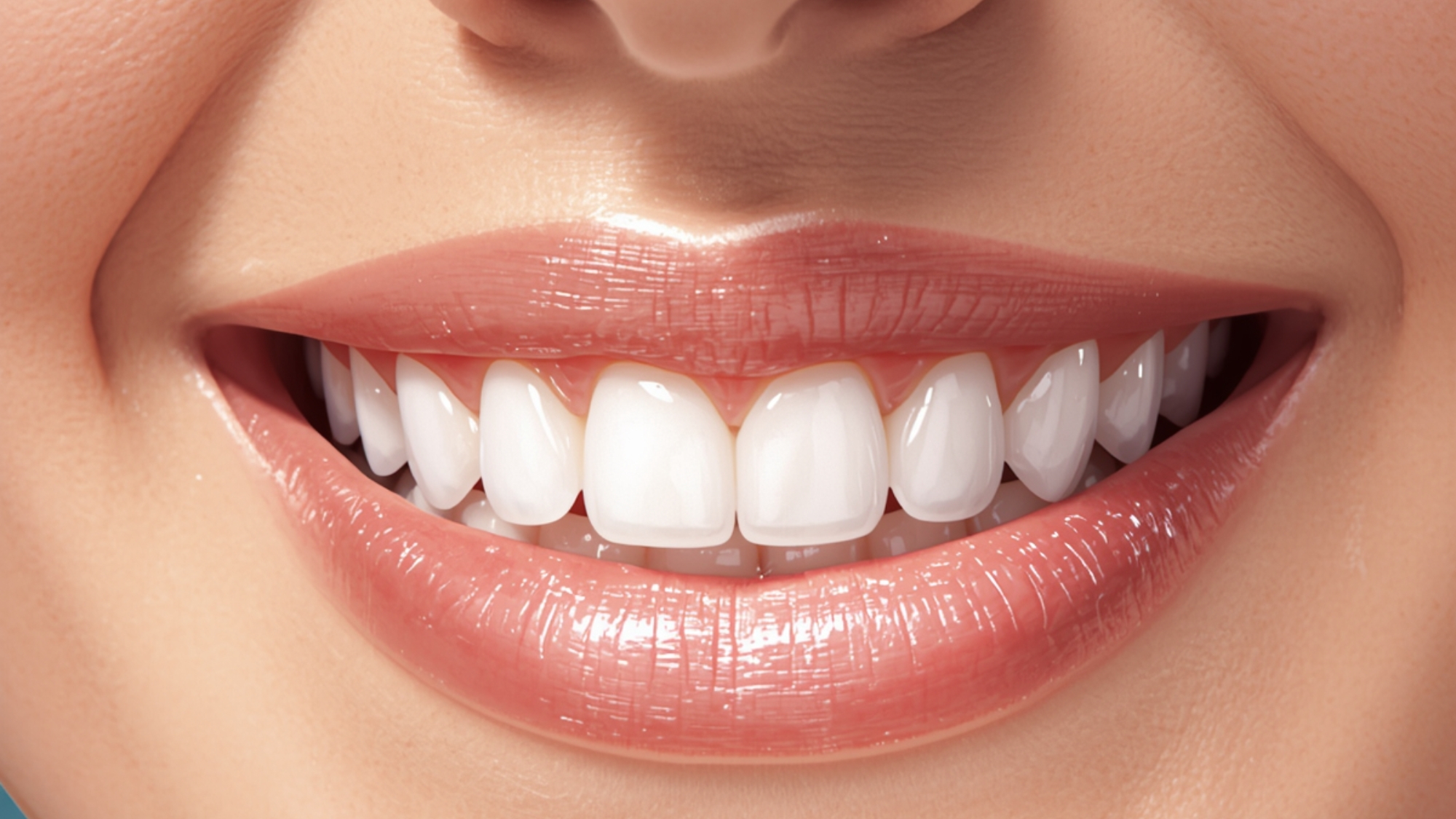
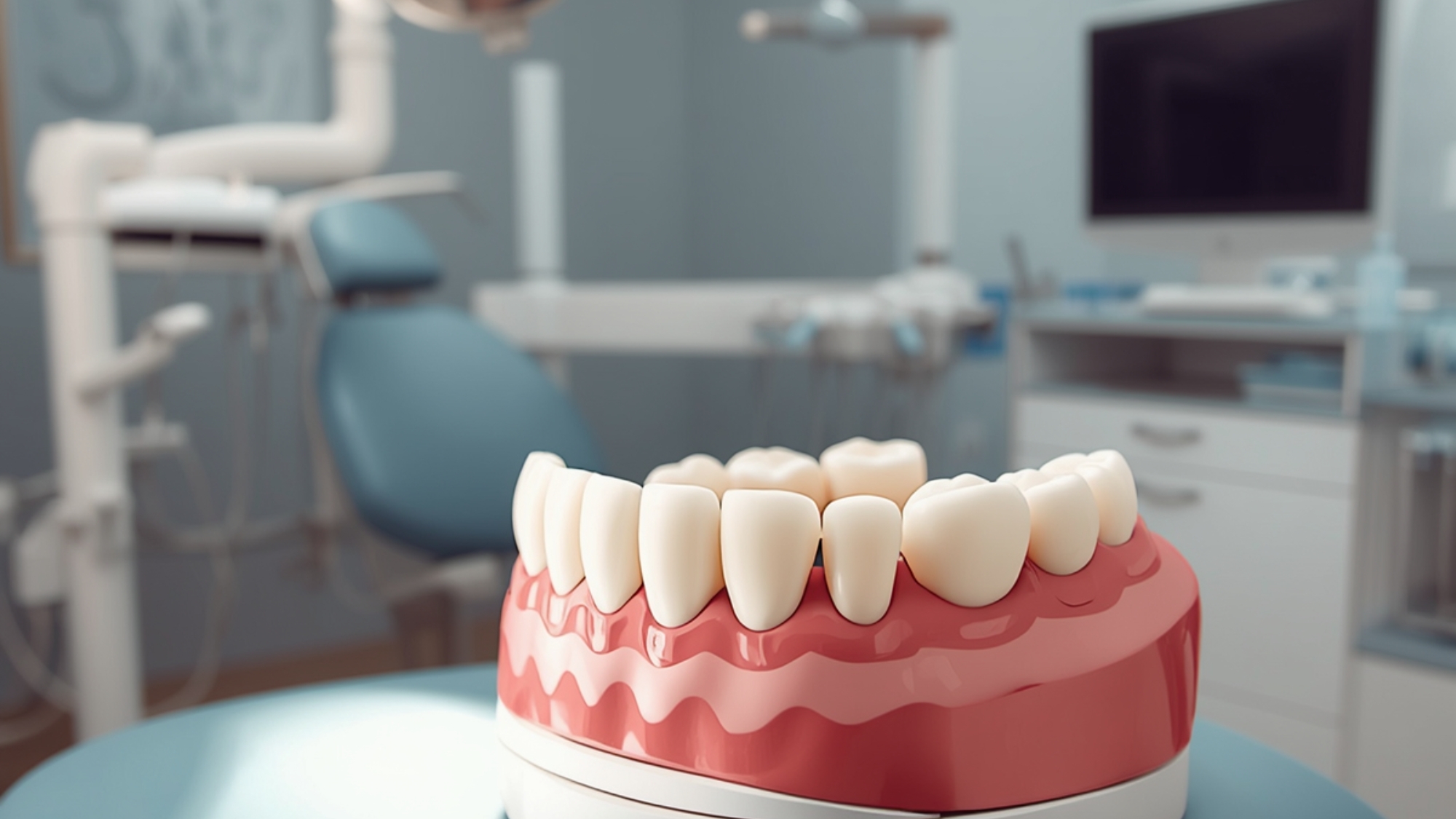
Missing teeth can affect the way you eat, speak, and smile with confidence. Dental bridges are one of the most reliable and time-tested ways to replace one or more missing teeth and restore both function and appearance.
A dental bridge literally “bridges” the gap left by missing teeth using artificial teeth supported by your natural teeth or dental implants. For many patients, it is a comfortable, affordable, and natural-looking solution.
In this guide, our dental team explains how dental bridges work, the different types available, their advantages, expected cost, and what to consider before choosing this treatment.
What Is a Dental Bridge?
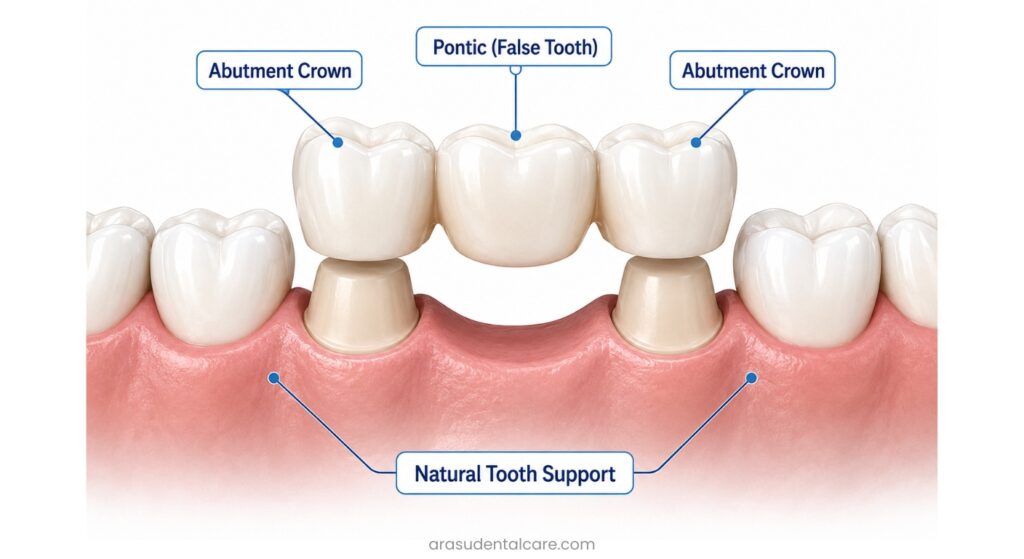
A dental bridge is a fixed dental restoration used to replace one or more missing teeth. It is made up of artificial teeth (called pontics) that are held in place by dental crowns fitted on the healthy teeth or implants on either side of the gap.
Unlike removable dentures, a dental bridge stays permanently in your mouth and feels close to your natural teeth. According to the American Dental Association, bridges help restore your bite, prevent neighboring teeth from shifting, and improve your overall oral health.
Parts of a Dental Bridge
- Abutments: These are the supporting structures of the bridge. They can be your natural teeth on either side of the gap or dental implants placed in the jawbone.
- Pontics: These are the artificial teeth that fill the empty space. Pontics are usually made from porcelain, ceramic, zirconia, or metal alloy.
When Is a Dental Bridge Needed?
A dental bridge may be recommended if you have one or more missing teeth and healthy surrounding teeth or bone to support the restoration. Your dentist will examine your mouth and may take X-rays to plan the best option.
You may be a good candidate for a dental bridge if you have:
- One or more missing permanent teeth: A gap from tooth loss due to decay, gum disease, or injury can often be closed with a bridge.
- Healthy supporting teeth: The teeth next to the gap should be strong enough to hold the bridge in place over the long term.
- Good overall oral health: Healthy gums and adequate bone support help the bridge last longer.
- Difficulty chewing or speaking: Missing teeth can make daily eating and clear speech harder, and a bridge can help restore both.
The right treatment depends on your individual case, so a dental examination is the best way to confirm suitability.
Types of Dental Bridges
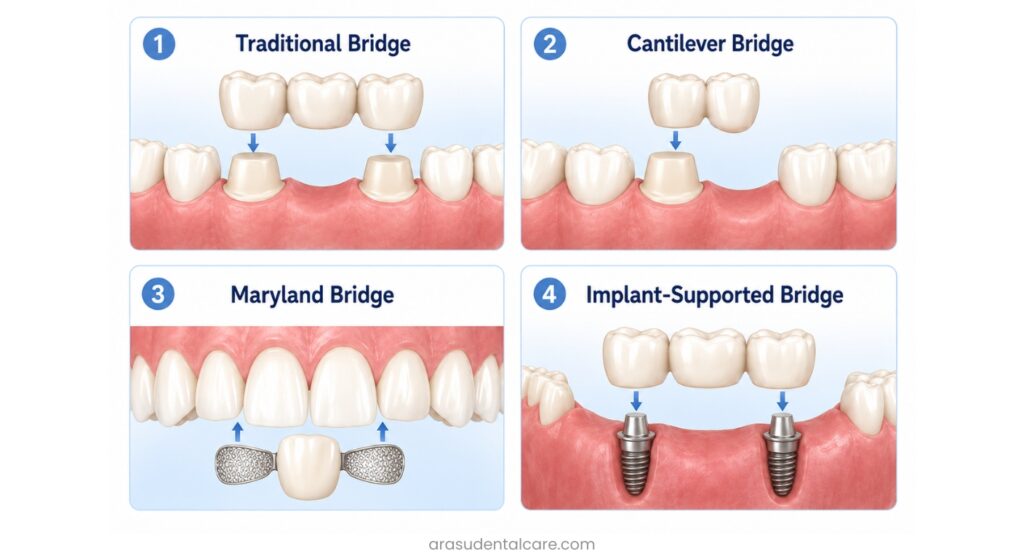
There are four main types of dental bridges. The right choice depends on the location of the missing tooth, the condition of nearby teeth, and your personal needs.
1. Traditional Dental Bridge
This is the most common type of bridge. It uses crowns on the natural teeth on both sides of the gap to hold the artificial tooth in the middle.
Traditional bridges are strong and work well for both front and back teeth when healthy teeth are present on each side.
2. Cantilever Dental Bridge
A cantilever bridge is used when there is only one natural tooth next to the gap. The pontic is supported on just one side.
It is usually placed in areas of the mouth that experience less chewing pressure, since the design is not as strong as a traditional bridge.
3. Maryland Dental Bridge
Also called a resin-bonded bridge, this type uses thin metal or porcelain wings bonded to the back of the neighboring teeth. It does not require crowns on the supporting teeth.
Maryland bridges are mostly used for front teeth, as they cannot handle heavy chewing forces in the back of the mouth.
4. Implant-Supported Bridge
When three or more teeth are missing in a row, an implant-supported bridge may be a better option. Instead of natural teeth, the bridge is held in place by dental implants.
This type of bridge offers strong, long-lasting support and helps preserve the jawbone, but it requires minor oral surgery and a longer treatment time.
Advantages of Dental Bridges
Dental bridges offer several long-term benefits beyond simply filling a gap. For many patients, they restore both confidence and comfort.
- Restores natural appearance: A well-made dental bridge blends with your natural teeth and gives you back a complete, even smile.
- Improves chewing and speech: Missing teeth can make eating certain foods or pronouncing some words difficult. A bridge helps return normal function.
- Prevents teeth from shifting: When a tooth is missing, nearby teeth may slowly drift into the empty space. A bridge keeps them in proper alignment.
- Supports facial shape: Tooth loss can cause the face to look sunken over time. A bridge helps maintain the natural structure of your face.
- Faster treatment than implants: A traditional bridge can usually be completed in two to three visits, while implants may take several months.
- Affordable option: Compared with dental implants, bridges are generally more budget-friendly for many patients.
Possible Limitations of Dental Bridges
It is important to understand both sides before choosing any treatment. Bridges also have a few limitations.
- Reshaping of healthy teeth: Traditional bridges require the dentist to remove some enamel from the supporting teeth. This step cannot be reversed.
- Risk of decay if hygiene is poor: Food and plaque can build up around and under the bridge, leading to cavities or gum problems if not cleaned properly.
- Limited lifespan: Most bridges last between 5 and 15 years and may need replacement later.
- Does not prevent bone loss: Unlike implants, a tooth-supported bridge does not replace the tooth root, so some jawbone loss may still occur.
Dental Bridge Procedure: What to Expect
Getting a dental bridge usually takes two to three visits, depending on the type chosen. Your dentist will guide you through each step to keep you comfortable.
Step 1: Consultation and Examination
Your dentist will check your teeth, gums, and bite. X-rays may be taken to confirm if your supporting teeth and bone are healthy enough.
Step 2: Preparing the Supporting Teeth
For traditional bridges, the teeth on either side of the gap are gently shaped to make space for the crowns. Local anesthesia is used to keep the area numb.
Step 3: Impressions and Temporary Bridge
A digital scan or dental impression is taken to design your custom bridge. A temporary bridge is placed to protect the prepared teeth.
Step 4: Fitting the Permanent Bridge
Once your final bridge is ready, your dentist checks the fit, shape, and color. After any adjustments, the bridge is bonded or cemented in place.
For implant-supported bridges, the process includes a healing period of a few months after implant placement before the final bridge is fitted.
Dental Bridge Cost in India
The cost of a dental bridge in India can vary based on several factors. On average, prices range from ₹6,000 to ₹15,000 per unit for standard bridges, while zirconia or implant-supported bridges can range from ₹15,000 to ₹40,000 or more per unit.
Cost factors include:
- Type of bridge selected: Traditional, cantilever, Maryland, or implant-supported bridges each have different price points.
- Material used: Metal, PFM (porcelain fused to metal), all-ceramic, and zirconia bridges differ in cost and aesthetics.
- Number of teeth being replaced: Longer bridges with more pontics naturally cost more.
- Additional treatments needed: Root canals, gum treatment, or extractions may add to the overall cost.
- Clinic location and expertise: Specialist clinics with modern technology may charge slightly more, but offer better long-term results.
A clear treatment plan and cost estimate can be shared after an in-person dental examination.
Dental Bridge vs Dental Implant: Which Is Better?
Both options replace missing teeth, but each has unique advantages. According to Cleveland Clinic, dental implants generally last longer and help preserve jawbone, while bridges are quicker and more affordable.
- Treatment time: Bridges take 2–3 weeks, implants may take 3–6 months.
- Cost: Bridges are more affordable upfront; implants are a longer-term investment.
- Bone preservation: Implants help prevent jawbone loss; bridges do not.
- Adjacent teeth: Bridges require shaping nearby teeth; implants do not.
Your dentist may recommend different options based on your oral health, budget, and long-term goals.
How to Care for Your Dental Bridge
Good care can help your bridge last 10 to 15 years or even longer. Daily habits make a big difference.
- Brush twice a day: Use a soft-bristled brush and fluoride toothpaste to gently clean all surfaces.
- Floss daily under the bridge: Use floss threaders or interdental brushes to clean below the pontic where food can get trapped.
- Avoid very hard foods: Stay away from chewing ice, hard candy, or pen caps that can damage the bridge.
- Visit your dentist regularly: Routine check-ups and professional cleanings help keep your bridge and supporting teeth healthy.
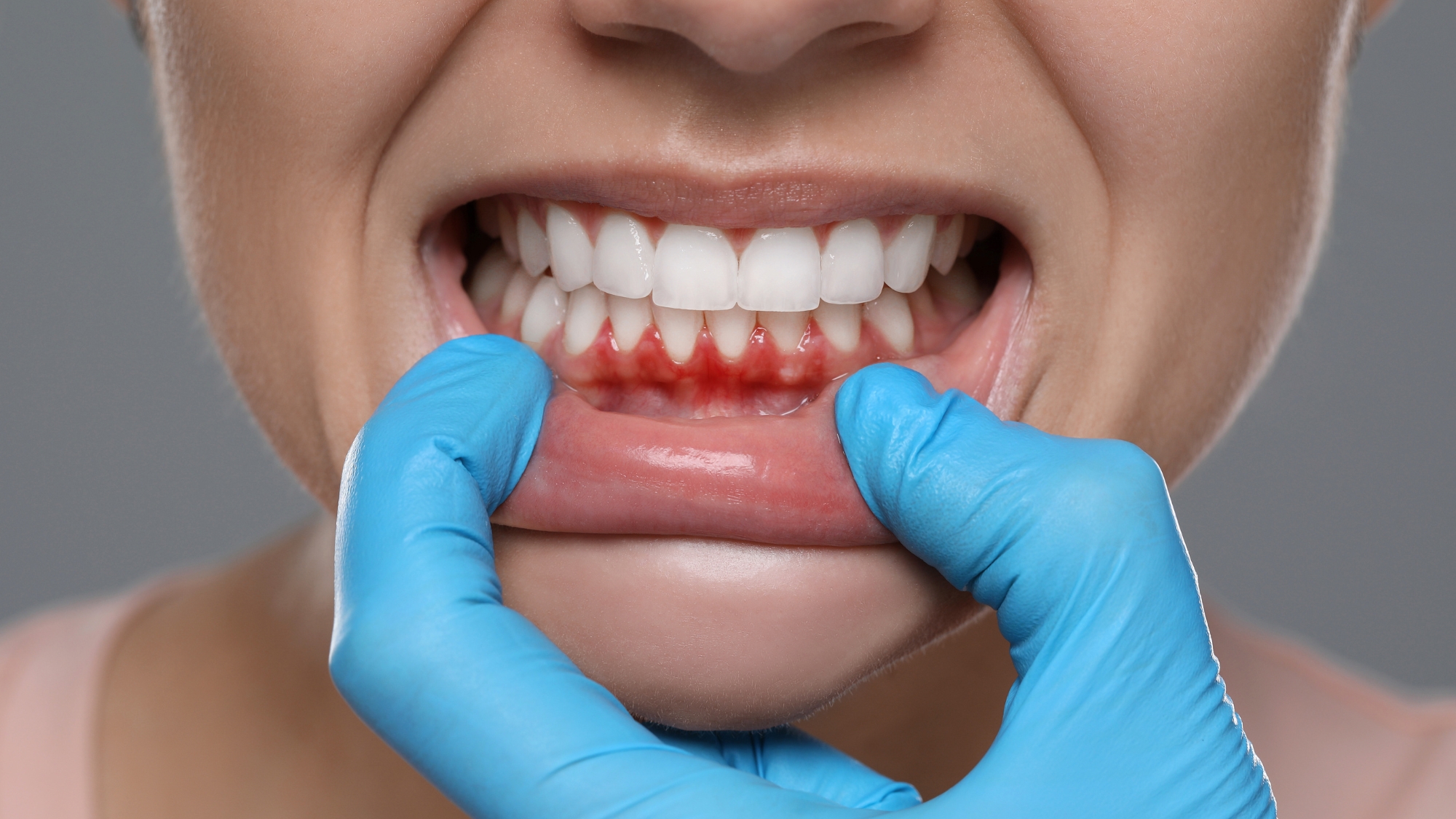
- Watch for warning signs: Contact your dentist near me if your bridge feels loose, painful, or if your gums bleed around it.
For more oral health guidance, you can visit Healthdirect Australia.
Final Thoughts
A dental bridge is a well-proven, practical solution for replacing missing teeth — restoring your ability to chew comfortably, speak clearly, and smile with confidence. With the right material, proper placement, and good daily care, a bridge can serve you reliably for many years. That said, every patient’s situation is different, and whether a traditional bridge, a cantilever, a Maryland, or an implant-supported option is best for you depends entirely on the condition of your teeth, gums, and bone — something only a thorough clinical examination can determine.
If you have a missing tooth that has been left untreated for a while, now is the right time to act. The longer a gap is left unfilled, the more the surrounding teeth and bone are affected.
At Arasu Dental Care in Coimbatore, we help you explore all your tooth replacement options honestly — weighing the benefits of bridges against implants and other solutions based on what genuinely suits your oral health and budget. Our team will guide you through every step, from diagnosis to the final fitting. Book a consultation with us today and take the first step towards a complete, healthy smile.
Frequently Asked Questions (FAQs)
1. How long does a dental bridge last?
With proper care and good oral hygiene, a dental bridge can last between 5 and 15 years. Some bridges may last even longer with regular dental check-ups.
2. Is getting a dental bridge painful?
The procedure is done under local anesthesia, so you should not feel pain during treatment. Mild sensitivity or soreness for a few days is normal.
3. Can I eat normally with a dental bridge?
Yes, most patients return to a normal diet quickly. It is best to start with soft foods and avoid very hard or sticky items in the first few days.
4. How many teeth can a dental bridge replace?
A bridge can usually replace one to four missing teeth in a row, depending on the strength of the supporting teeth or implants.
5. Will a dental bridge look natural?
Yes, modern bridges made from porcelain or zirconia are designed to match the color and shape of your natural teeth for a realistic look.
6. Is a dental bridge better than a denture?
A bridge is fixed and feels more like natural teeth, while dentures are removable. The right choice depends on the number of missing teeth and your oral health.
7. Can a dental bridge be removed once placed?
A fixed dental bridge is cemented in place and can only be removed by a dentist. It is meant to stay in your mouth long-term.