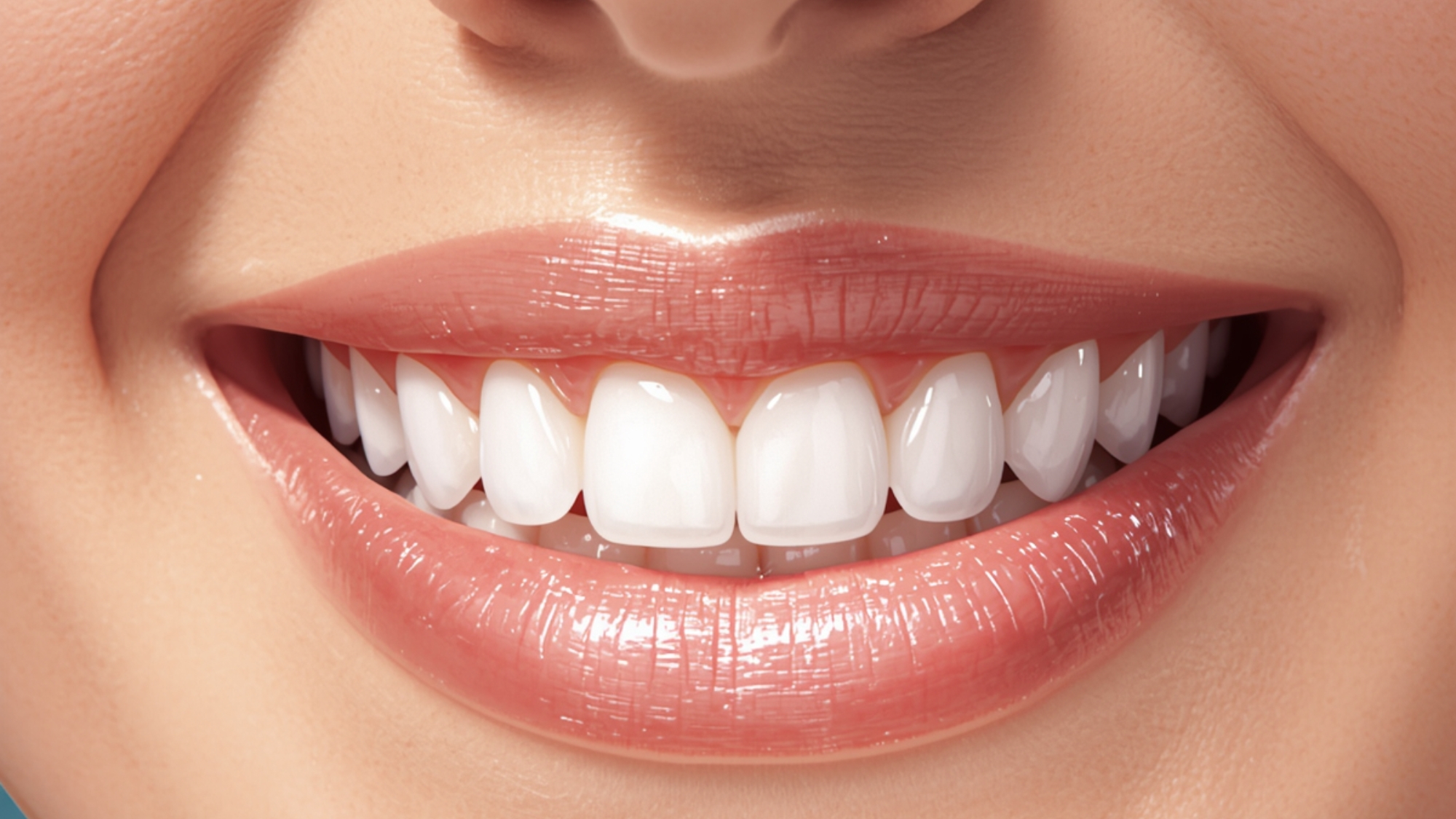
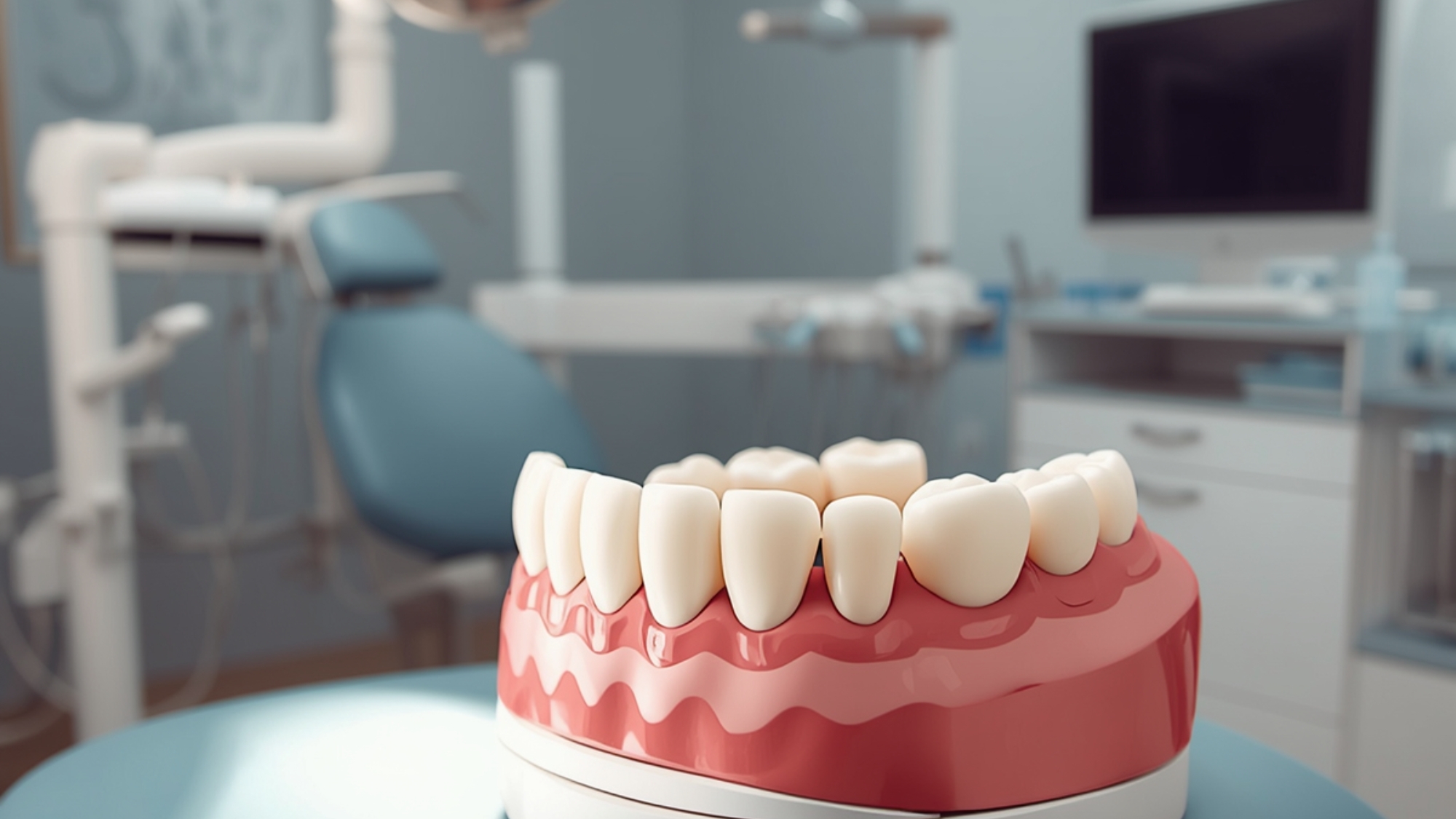
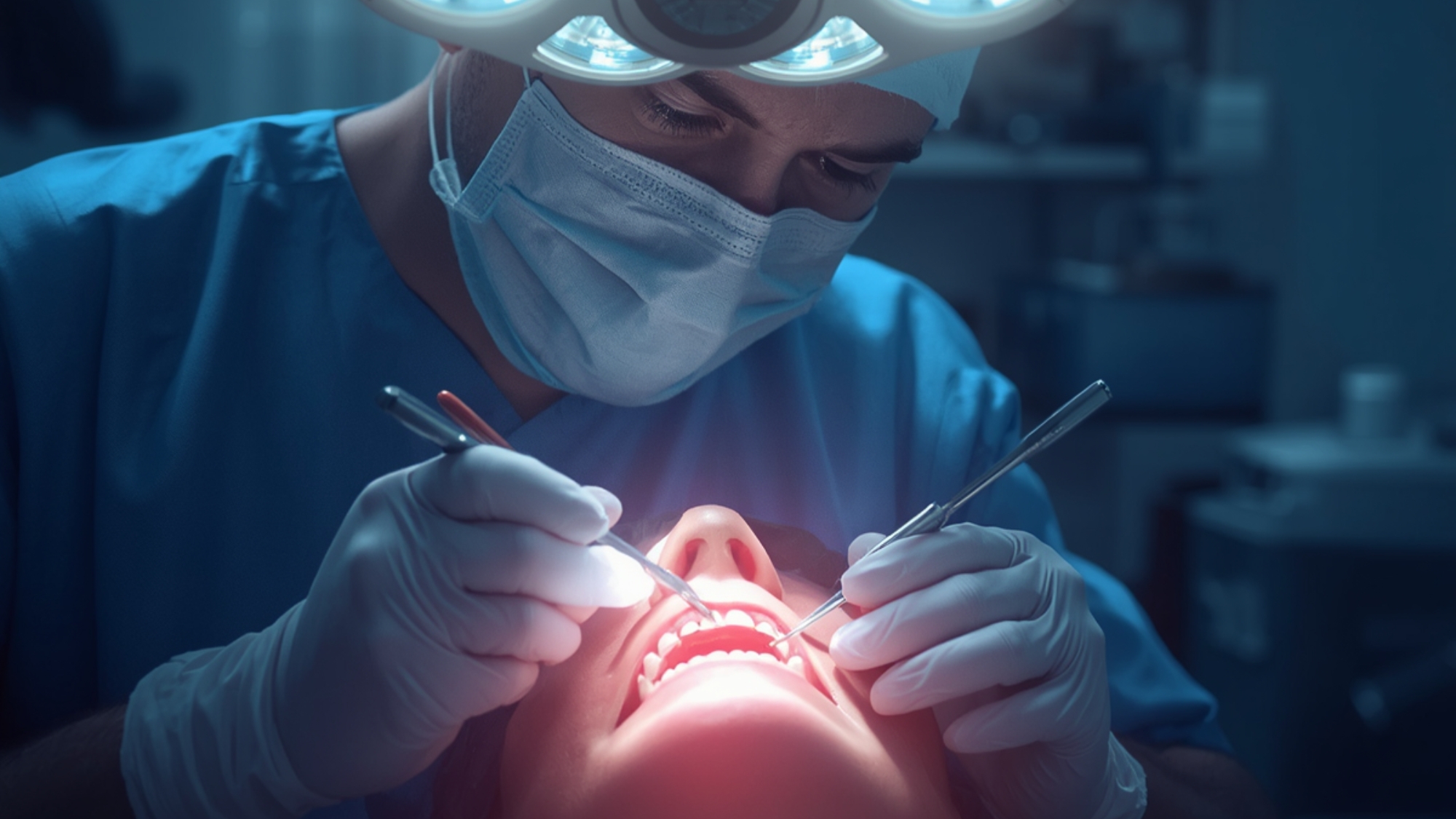
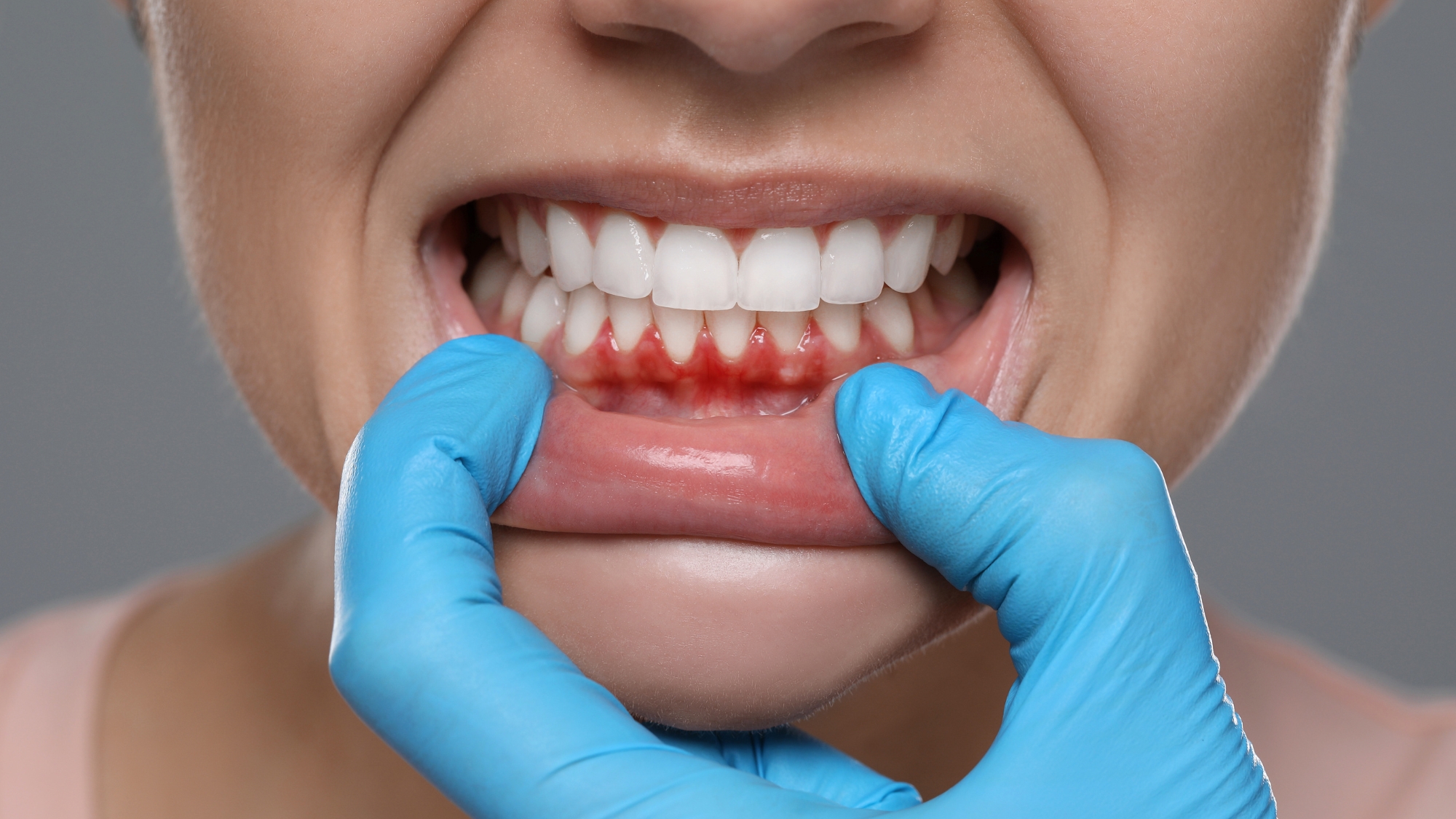
A smile feels complete only when your teeth and gums look balanced together. If your gums appear uneven, too high, or cover too much of your teeth, gingival sculpting can help reshape your gum line and bring harmony to your smile.
Also known as gum contouring or gum reshaping, this is a gentle cosmetic dental treatment that can also support better oral hygiene in many cases. It is one of the most preferred options today for people who feel self-conscious about a gummy smile or an asymmetrical gum line.
At Arasu Dental Care, we believe a confident smile begins with the right understanding of your treatment options. This guide will walk you through everything you need to know about gingival sculpting in a simple and clear way.
What Is Gingival Sculpting?
Gingival sculpting is a cosmetic dental procedure that reshapes the gum tissue around your teeth. The goal is to create a more even, balanced, and natural-looking gum line.
In some cases, it is done purely for aesthetic reasons. In others, it may also support oral health by removing gum tissue that traps bacteria or makes cleaning difficult.
Most modern clinics today use dental lasers for this procedure, which makes it more precise, comfortable, and predictable. According to the American Academy of Periodontology, reshaping of soft tissue is one of the well-established treatments in periodontal plastic surgery.
Who May Benefit from Gingival Sculpting?
Not everyone needs gum reshaping, but it can help certain individuals improve both the appearance and health of their smile. A dental evaluation can confirm if this treatment suits you.
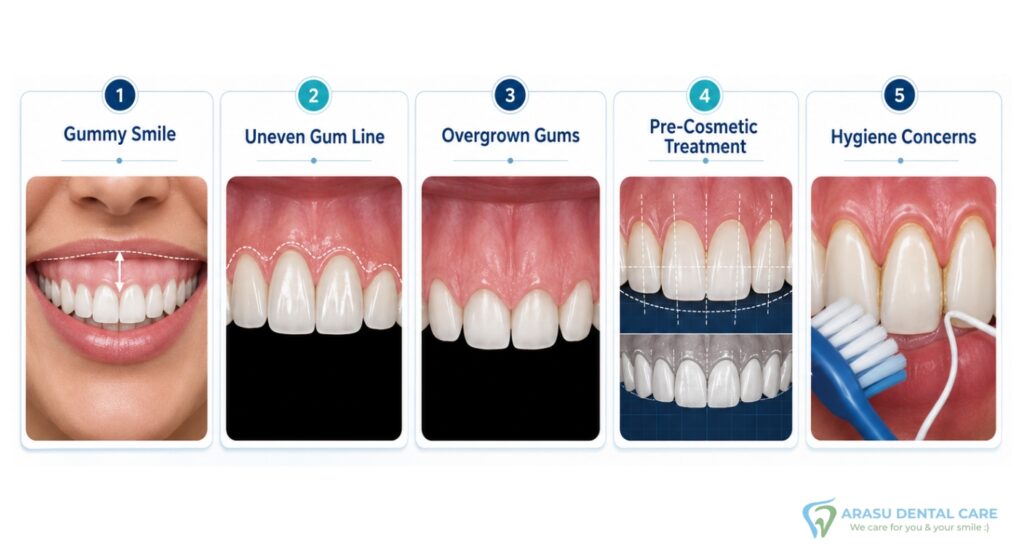
Gummy smile concerns: When too much gum tissue shows while smiling, the teeth may appear short or square. Gingival sculpting helps reveal more of the natural tooth surface.
Uneven gum line: Some people have gums that sit higher on some teeth and lower on others. Reshaping helps create symmetry across the smile.
Overgrown gum tissue: Gum overgrowth can happen due to certain medications, braces, or genetics. Reshaping can restore a more natural contour.
Preparation for cosmetic dentistry: Before treatments like veneers or crowns, gum sculpting may be done to ensure the final result looks natural and balanced.
Difficulty maintaining oral hygiene: Deep gum pockets or uneven tissue can trap food and bacteria. Reshaping may help reduce these areas and make cleaning easier.
Common Gingival Sculpting Techniques
Different techniques are used based on the patient’s gum condition, the amount of tissue to be reshaped, and the underlying bone structure. Your dentist will recommend the right approach after an examination.
1. Laser Gingival Sculpting
This is the most modern and widely preferred technique today. A soft tissue dental laser is used to gently trim and reshape excess gum tissue.
The laser also seals the tissue as it works, which means very little bleeding and faster healing. Most patients experience minimal discomfort during and after the procedure.
2. Scalpel Gingivectomy
This traditional technique uses a small surgical blade to remove and reshape extra gum tissue. It is still used in cases where larger areas need to be treated.
Healing usually takes a little longer compared to the laser method, and stitches may be needed in certain cases.
3. Gingivoplasty
Gingivoplasty focuses on reshaping rather than removing large amounts of tissue. It is often used to refine the contour and create a smooth, natural gum line.
This technique works well for minor cosmetic corrections and finishing touches.
4. Crown Lengthening
When a small amount of bone also needs to be reshaped along with the gum, crown lengthening is performed. This step prevents the gum from growing back over the tooth.
It is commonly recommended for severe gummy smiles or before placing crowns and veneers. A study published on PubMed highlights crown lengthening as a reliable approach for treating excessive gingival display.
5. Electrosurgery
In some clinics, a fine electrical instrument is used to cut and reshape gum tissue. It works similarly to a laser but may require slightly more recovery time.
This method is less common today but still used in specific situations.
What to Expect During the Procedure
Most patients feel nervous before any dental procedure, which is completely normal. Knowing what happens during gingival sculpting can help reduce that anxiety.
Consultation and planning: Your dentist will examine your gums, teeth, and bone levels. Photographs and measurements may be taken to plan the new gum line.
Local anaesthesia: The treatment area is numbed so you do not feel pain during the procedure. Sedation is rarely needed unless the case is complex.
Marking the new gum line: The dentist uses a special marker to outline how much tissue needs to be reshaped. This ensures precise and predictable results.
Reshaping the gums: Using a laser, scalpel, or other suitable tool, the dentist carefully removes and reshapes the gum tissue. Bone may also be adjusted if required.
Finishing and review: Once the contouring is complete, the dentist checks symmetry and makes minor refinements. The whole procedure usually takes 30 minutes to 2 hours.
Benefits of Gingival Sculpting
Gingival sculpting offers more than just a cosmetic improvement. When done correctly, it can support long-term oral health as well.
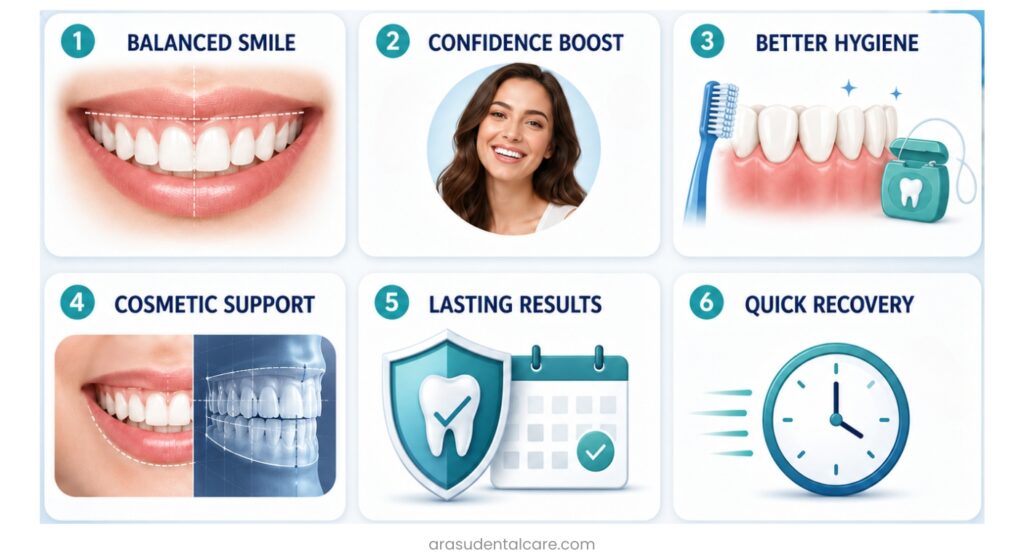
Balanced and even smile: Reshaping creates symmetry between the teeth and gums. This makes the smile look more natural and proportionate.
Improved confidence: A balanced smile often helps people feel more comfortable while speaking, smiling, or in social situations. Many patients report a noticeable boost in self-confidence.
Better oral hygiene: Reshaping can reduce deep gum pockets that trap plaque. This makes brushing and flossing easier and more effective.
Supports other cosmetic treatments: Treatments like veneers, crowns, and smile makeovers often look better when the gum line is balanced first. It acts as a strong foundation for cosmetic dentistry.
Long-lasting results: When performed properly, especially with bone recontouring where needed, the results can be permanent for most patients.
Minimal downtime: Most people return to their daily routine within a day or two. Laser treatments especially offer quick recovery.
Recovery and Aftercare
Recovery is usually smooth, but following your dentist’s instructions is important for the best healing. The exact timeline depends on the technique used and how much tissue was reshaped.
Mild soreness is normal: You may feel slight tenderness or swelling for a few days. Over-the-counter pain relief, if recommended by your dentist, can help.
Eat soft foods: Stick to soft foods like yogurt, soup, eggs, and smoothies for the first few days. Avoid spicy, hard, or crunchy foods until your gums heal.
Maintain gentle oral hygiene: Brush carefully around the treated area and rinse with the mouthwash your dentist recommends. Good hygiene supports faster and cleaner healing.
Avoid heavy physical activity: Skip intense exercise for the first few days to reduce swelling and bleeding risk. Light walking is usually fine.
Attend follow-up visits: Your dentist may schedule a review to check healing and confirm the final result. Most gums settle fully within one to a few weeks.
Possible Risks and Considerations
Gingival sculpting is generally considered a safe procedure when performed by an experienced dentist. However, like any treatment, it has some considerations worth knowing.
Minor swelling or discomfort: This is common and usually settles within a few days. Cold compresses and prescribed medication can help.
Risk of infection: Although rare, infection may occur if aftercare is not followed properly. Maintaining hygiene is essential.
Gum regrowth: In some cases, gum tissue can grow back if the underlying bone was not reshaped when needed. Your dentist will assess this during planning.
Sensitivity: Newly exposed tooth surfaces may feel slightly sensitive for a short period. This usually reduces as healing completes.
The right treatment depends on your individual case, and a proper dental examination is the only way to confirm what suits you best.
When Should You Consider Seeing a Dentist?
If you feel unhappy with the appearance of your gum line, or notice that your gums look uneven or overgrown, a consultation is a good first step. Your dentist can guide you on whether gingival sculpting is suitable for you.
You should also seek dental advice if you have gum bleeding, swelling, or signs of gum disease. According to the Centers for Disease Control and Prevention, gum disease treatment should be considered before any cosmetic procedure.
Final Thoughts and Next Step
Gingival sculpting is a precise, effective way to bring balance and symmetry to your smile — and with modern laser techniques, it is more comfortable and predictable than ever before. Whether you are addressing a gummy smile, uneven gum tissue, or preparing your gums for cosmetic restorations, the results can genuinely transform the way your smile looks and feels. The right technique and the right amount of reshaping can only be determined after a careful assessment of your gum tissue, bone levels, and overall oral health.
If your gum line has been affecting your confidence or making oral hygiene more difficult, do not hesitate to get it properly evaluated. What feels like a cosmetic concern may also have a positive impact on your long-term gum health.
At Arasu Dental Care in Coimbatore, we combine a thorough clinical assessment with modern sculpting techniques to deliver gum reshaping results that are natural, lasting, and tailored to your smile. Our team will explain your options clearly and help you decide on the approach that best suits your needs. Book a consultation with us today and take the first step towards a more balanced, confident smile.
Frequently Asked Questions
1. Is gingival sculpting painful?
The procedure is done under local anaesthesia, so you should not feel pain during it. Mild soreness afterwards is common and usually settles within a few days.
2. How long does gingival sculpting take?
Most procedures are completed in 30 minutes to 2 hours. The time depends on how many teeth are involved and whether bone reshaping is required.
3. Are the results permanent?
In most cases, the results are long-lasting. However, in some situations gum tissue may regrow slightly, especially if bone was not reshaped when needed.
4. Is laser gum sculpting better than the traditional method?
Lasers often offer more precision, less bleeding, and faster healing. However, the right technique depends on your specific dental condition.
5. Will my insurance cover gingival sculpting?
It is often considered cosmetic and may not be covered. If it is done for oral health reasons, partial coverage may apply.
6. How soon can I return to normal activities?
Most people resume routine activities within one to two days. Full healing of the gums may take one to a few weeks.
7. Can gingival sculpting be done with other cosmetic treatments?
Yes, it is often combined with veneers, crowns, teeth whitening, or smile makeovers. This helps create a more balanced final result.
8. Is gingival sculpting safe?
When performed by a qualified dental professional, it is considered a safe and predictable procedure. A proper evaluation ensures the right approach for you.