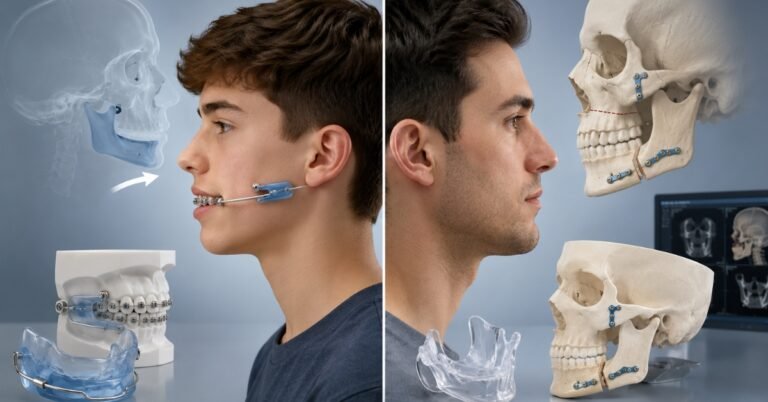
Which Type of Braces Is Best for You? A Complete Selection Guide
Choosing between the different types of braces can feel overwhelming when you’re standing at the start of your orthodontic journey. Should you go with classic metal braces, nearly invisible aligners, or something in between? The truth is, there is no single “best” option for everyone — the right choice depends on your dental needs, lifestyle, budget, and personal preferences.
At Arasu Dental Care, we believe the most confident decisions come from clear, honest information. This guide walks you through every major type of braces, explains how each one works, and helps you understand which option may suit your smile. By the end, you’ll know exactly what questions to ask during your consultation.
Why Braces Matter Beyond Appearance
Many people assume braces are purely cosmetic. In reality, properly aligned teeth do far more than improve your smile.
Straight teeth are easier to clean, which lowers your risk of cavities and gum disease. Correct alignment also improves chewing, speech, and bite function — and in some cases, can ease jaw strain linked to temporomandibular joint (TMJ) disorders.
Braces work by applying gentle, continuous pressure that gradually shifts teeth into their proper positions. The way this pressure is delivered is what separates one type of braces from another.
How Many Types of Braces Are There?
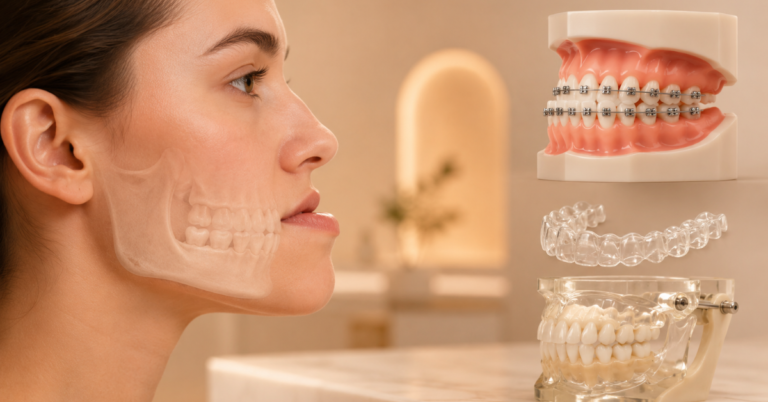
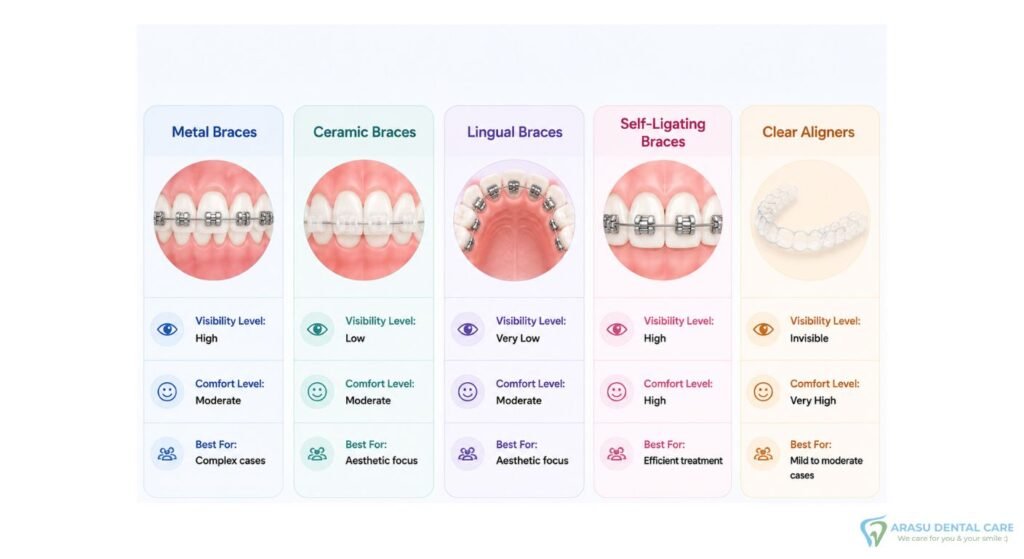
Modern orthodontics offers five main types of braces, each designed to balance effectiveness, appearance, comfort, and cost.
Here is a quick overview before we explore each one in detail:
|
Type of Braces |
Visibility |
Best Suited For |
Relative Cost |
|
Metal Braces |
Most visible |
Complex/severe cases, children, teens |
Most affordable |
|
Ceramic Braces |
Less visible |
Adults wanting discretion + strength |
Moderate |
|
Lingual Braces |
Hidden (behind teeth) |
Professionals, public-facing roles |
Higher |
|
Self-Ligating Braces |
Visible (smaller) |
Easier maintenance, fewer visits |
Moderate |
|
Clear Aligners |
Nearly invisible |
Mild to moderate cases, lifestyle flexibility |
Moderate to higher |
Let’s break down how each option works so you can see where you might fit.
The 5 Main Types of Braces Explained
1. Traditional Metal Braces
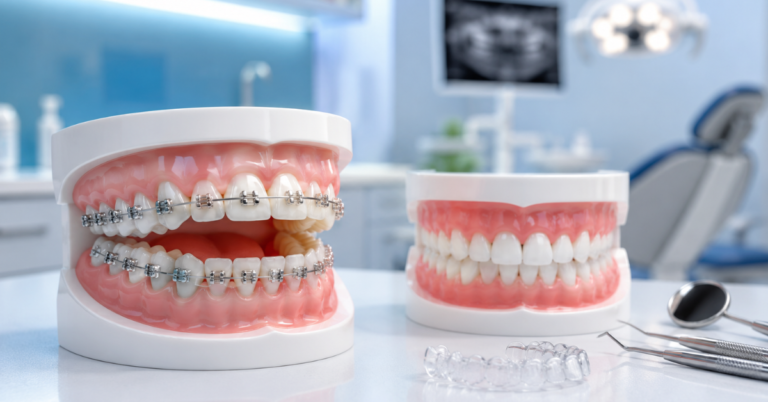
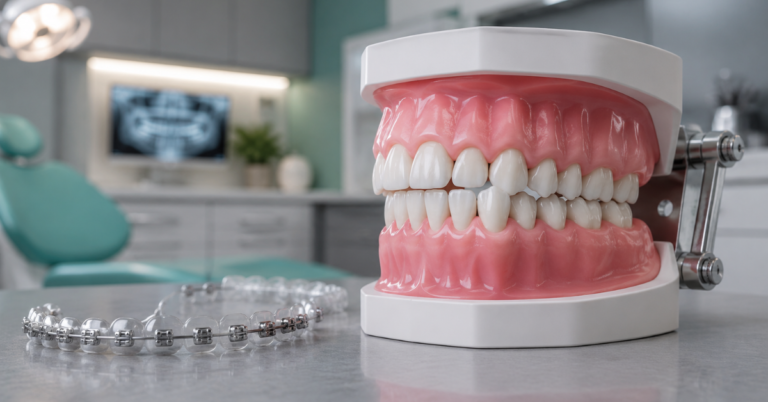
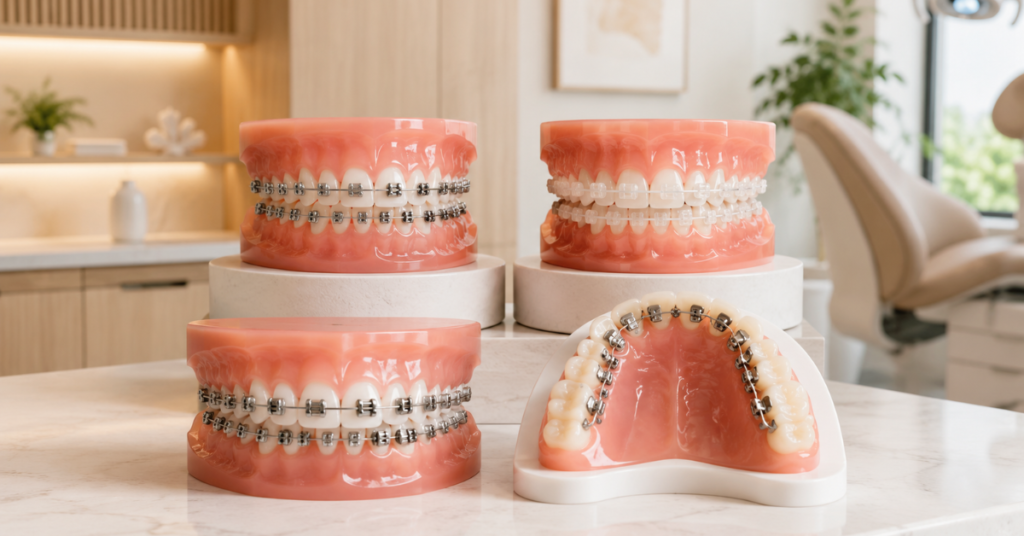
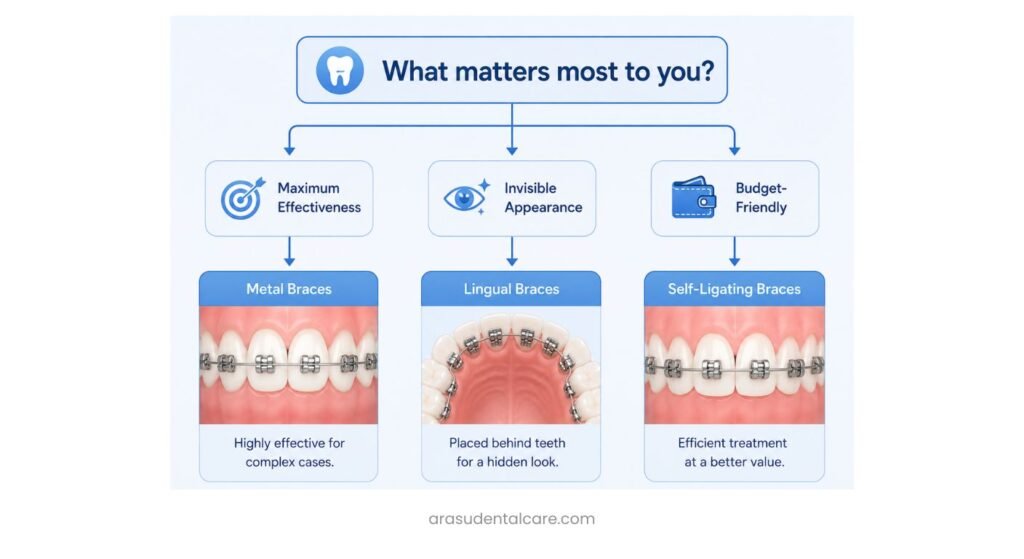
Metal braces are the most recognised — and the most reliable — option in orthodontics. They use high-grade stainless steel brackets bonded to each tooth, connected by a thin archwire held in place with small elastic bands called ligatures.
Why people choose them: They are the most effective option for complex cases and significant tooth movement, and they’re typically the most cost-effective. Children and teens often enjoy choosing coloured bands at each visit.
Things to consider: They are the most noticeable type, and brushing around brackets requires a little extra care.
In our experience, when a patient has severe crowding or a complicated bite, metal braces still deliver the most predictable outcomes. The American Association of Orthodontists recognises them as a dependable standard for a wide range of cases.
2. Ceramic Braces
Ceramic braces work exactly like metal braces but use tooth-coloured or clear brackets that blend in with your natural teeth. This makes them a popular choice for image-conscious adults who still need the strength of fixed braces.
Why people choose them: They offer the same treatment power as metal braces with a far subtler appearance. The softer material can also be gentler on the lips.
Things to consider: They are slightly more fragile than metal and can stain if not cleaned carefully — so consistent oral hygiene matters.
3. Lingual Braces
Lingual braces are fixed to the back surfaces of your teeth, making them virtually invisible from the front. They’re a discreet option for those who want effective treatment without anyone noticing.
Why people choose them: Complete discretion — ideal for public speakers, professionals, or anyone self-conscious about visible braces.
Things to consider: Because they sit against the tongue, they can take longer to adjust to and may temporarily affect speech. They are usually custom-made, which makes them one of the more premium options.
4. Self-Ligating Braces
Self-ligating braces look similar to metal or ceramic braces but replace elastic ligatures with a built-in “gate” mechanism that holds the archwire in place.
Why people choose them: Reduced friction can mean fewer adjustment visits and easier cleaning. They’re available in both metal and tooth-coloured versions.
Things to consider: They are still visible (though often smaller) and may cost more than traditional metal braces.
5. Clear Aligners (Such as Invisalign)
Clear aligners in coimbatore use a series of custom-made, removable plastic trays instead of brackets and wires. You wear each set for about two weeks, then progress to the next — gradually guiding your teeth into position.
Why people choose them: They’re nearly invisible, removable for eating and brushing, and comfortable to wear.
Things to consider: They must be worn for at least 22 hours a day to be effective, and they’re generally best suited to mild-to-moderate cases. Research published in the Angle Orthodontist notes that fixed appliances can still achieve higher finishing precision in certain complex cases — which is why a professional assessment matters.
Which Type of Braces Is Best for You?
This is the question every patient asks — and the honest answer is: it depends on your individual case. Three key factors guide the decision.
1. Severity of the problem. For significant crowding, gaps, or bite issues, fixed braces (metal, ceramic, or self-ligating) usually offer the most control and predictable results.
2. Appearance preferences. If discretion is your priority, clear aligners or lingual braces are strong contenders.
3. Lifestyle and discipline. Aligners suit disciplined patients who will wear them consistently. If you’d rather not worry about removing and tracking trays, fixed braces work around the clock for you.
How to Choose Your Braces: A Simple Step-by-Step Guide
Here’s how the decision typically unfolds when you visit an experienced orthodontist:
- Book a consultation. A specialist examines your teeth, bite, and jaw alignment.
- Get a diagnostic scan or X-ray. This reveals the severity and type of misalignment.
- Discuss your priorities. Share your concerns about appearance, comfort, and budget.
- Review your suitable options. Your orthodontist explains which types of braces will work for your case.
- Plan your treatment. Together, you choose the option that balances results, comfort, and cost.
- Begin treatment with confidence. Regular reviews keep your progress on track.
This collaborative approach ensures you’re informed at every step — never pressured into a decision.
What Age Is Best for Braces?
You’re never too old for orthodontics. That said, the ideal window for many patients is between ages 9 and 14, when the jaw and facial bones are still developing and more responsive to gentle movement.
Adult braces are just as effective — they may simply take a little longer. In fact, a significant share of orthodontic treatment patients today are adults seeking a healthier, more confident smile.
For children, an early orthodontic evaluation around age 7 can help detect issues before they become more complex.
Caring for Your Braces During Treatment
Good oral hygiene becomes even more important once braces are fitted. A few simple habits make a big difference:
- Brush at least twice daily with a soft-bristled brush and fluoride toothpaste.
- Floss once a day using floss threaders or interdental brushes around brackets.
- Avoid hard, sticky, and very crunchy foods.
- Attend regular reviews for adjustments and professional cleaning.
For clear aligner wearers, clean your trays daily and store them safely when eating or drinking anything other than water.
Frequently Asked Questions
1. Which type of braces is most effective for complex cases?For severe crowding or bite correction, traditional metal or ceramic braces generally provide the most control and predictable outcomes. Your orthodontist will confirm the best option after a clinical assessment.
2. Are clear aligners as good as braces?Clear aligners are excellent for mild to moderate cases and offer near-invisible, removable convenience. For more complex movements, fixed braces may achieve more precise finishing results.
3. Do braces hurt?You may feel mild discomfort for a few days after fitting or tightening. This is temporary and usually manageable with simple measures your dentist recommends. Treatment is performed to keep you as comfortable as possible.
4. Which type of braces is best for children?Traditional metal braces are often ideal for children — they’re durable, effective, and fixed in place, so there’s no risk of forgetting to wear them.
5. How long does braces treatment take?On average, treatment takes around 18 to 24 months, though it varies. Mild cases may finish sooner, while complex cases can take longer. Your best orthodontist in coimbatore will give you a realistic timeline.
6. Can I switch between different types of braces mid-treatment?This is generally not recommended. Each treatment plan is customised for a specific appliance, and switching can extend treatment time and increase costs.
7. Will I need a retainer after braces?Yes. A retainer holds your teeth in their new positions and prevents them from shifting back. Your orthodontist will recommend the most suitable type for you.
8. Are lingual braces uncomfortable?Because they sit against the tongue, lingual braces can take a little getting used to and may briefly affect speech — but most patients adjust within a couple of weeks.
Making the Confident Choice for Your Smile
Choosing the right type of braces isn’t about finding the “best” appliance — it’s about finding the best fit for your teeth, lifestyle, and goals. Metal, ceramic, lingual, self-ligating braces, and clear aligners each have a place, and the right one becomes clear once you understand your specific needs.
At Arasu Dental Care, our orthodontic team combines years of clinical experience with modern techniques to help you understand all your options and make an informed, comfortable decision. We believe in transparent guidance — so you always know what your next step should be.
Ready to find the right braces for your smile? Book a consultation with our experienced orthodontists in Coimbatore today. We’ll evaluate your teeth, explain your options clearly, and help you choose the treatment that suits you best.
📞 Call us: +91 88380 22157 (R.S. Puram) · +91 74491 88777 (Saibaba Colony)💬 **Whats