Who Is Suitable for Orthodontic Treatment? / Do I Need Orthodontic Treatment?
Have you ever looked in the mirror and wondered whether your crooked teeth or uneven bite need fixing? You’re not alone. Orthodontic treatment helps align teeth and correct bite problems, but not everyone needs it — and that’s exactly what this guide will help you understand.
At Arasu Dental Care, we believe in helping you make an informed decision rather than rushing you toward a procedure. In this article, our orthodontic specialists explain who is genuinely suitable for orthodontic treatment, the common signs to watch for, and what to expect at every age.
By the end, you’ll know whether a consultation is your sensible next step — or whether your smile is already in good shape.
What Is Orthodontic Treatment?
Orthodontics is the branch of dentistry focused on diagnosing, preventing, and correcting misaligned teeth and jaws — known medically as malocclusion (a “bad bite”).
The goal isn’t only a straighter smile. Proper alignment improves how you chew, speak, and clean your teeth, which protects your long-term oral health.
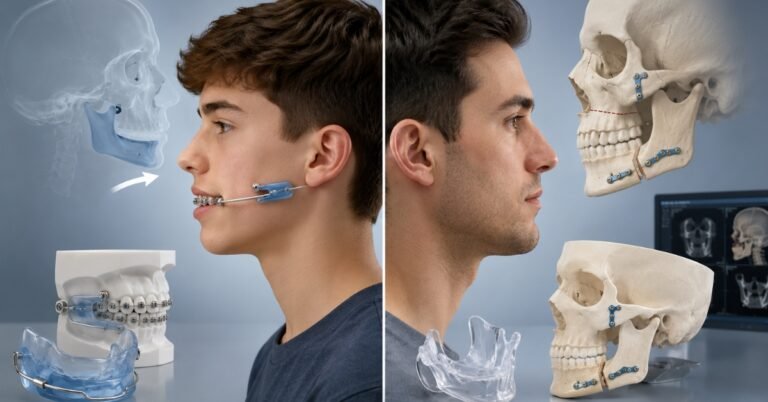
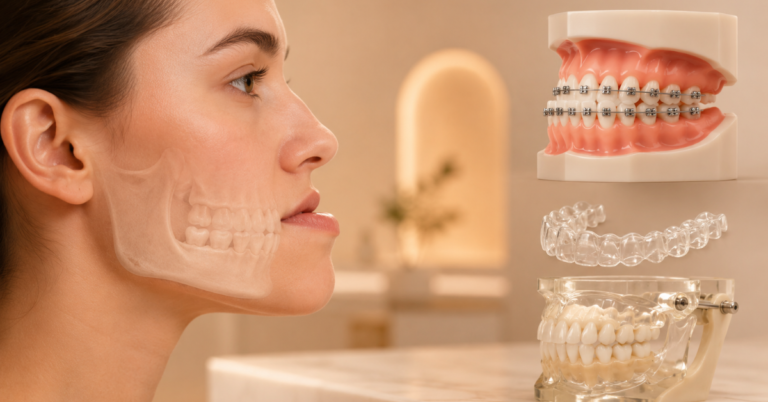
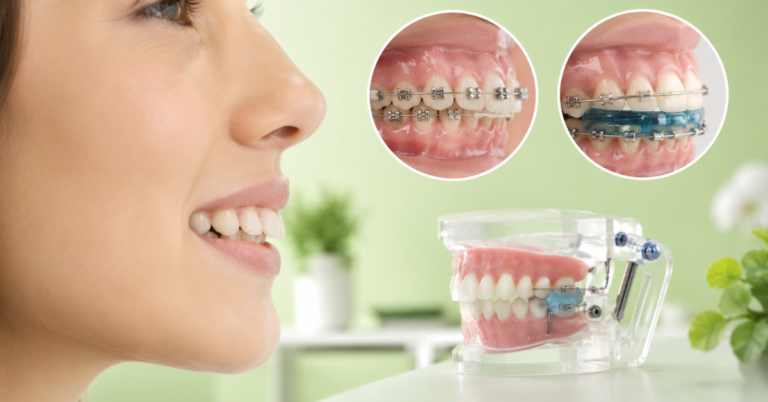
Common orthodontic treatments include:
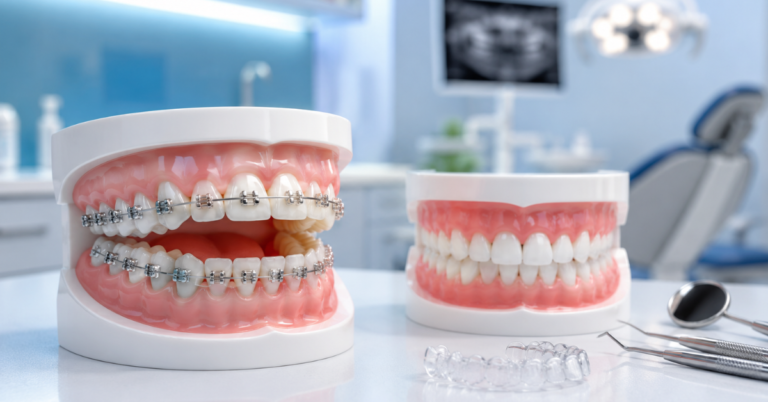
- Metal and ceramic braces — brackets and wires fixed to your teeth
- Clear aligners (Invisalign) — removable transparent trays
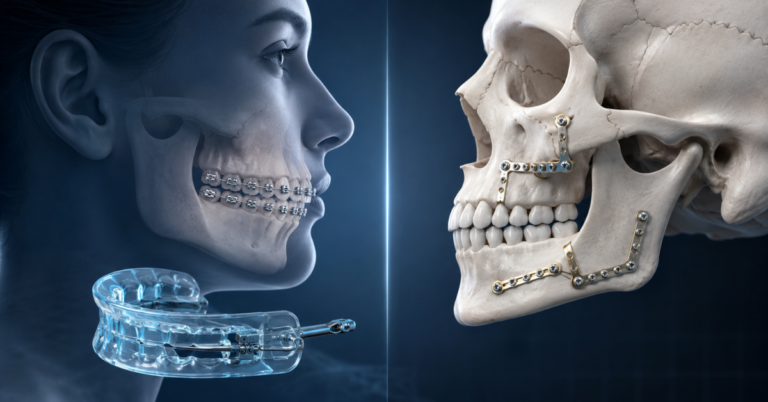
- Functional appliances and palatal expanders — often used for growing children
- Retainers — worn after treatment to hold teeth in place
According to the Cleveland Clinic, almost everyone can gain some benefit from orthodontics — but some people need it far more than others.
Do I Need Orthodontic Treatment? Common Signs to Watch For
The simplest way to know is a professional evaluation. However, certain signs strongly suggest that orthodontic treatment may help you.
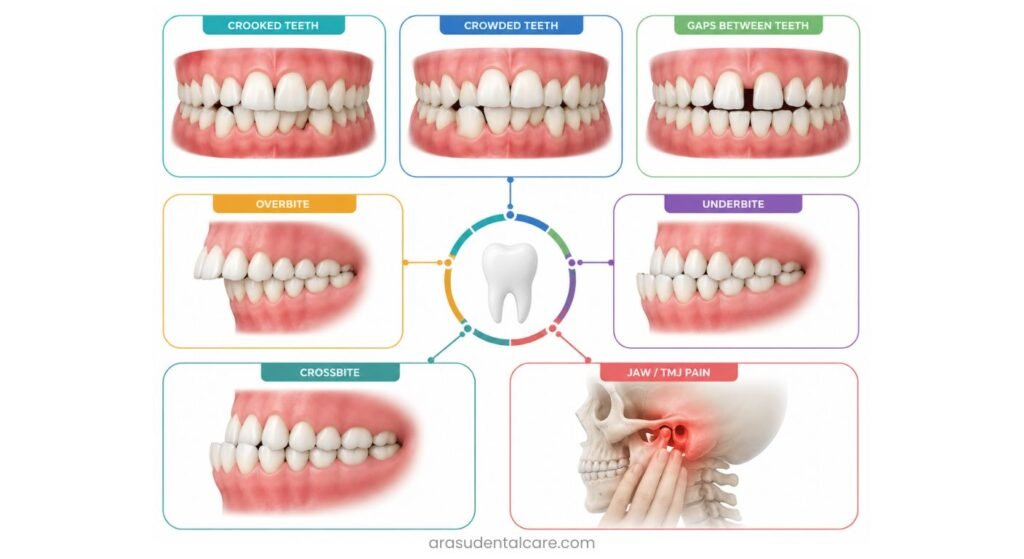
1. Crooked, Crowded, or Overlapping Teeth
When there isn’t enough space in your jaw, teeth twist, overlap, or grow at angles. Beyond appearance, crowded teeth trap food and plaque, making cleaning difficult.
2. Gaps and Spacing Issues
Large gaps between teeth — often from missing or small teeth — can affect both your smile and your bite.
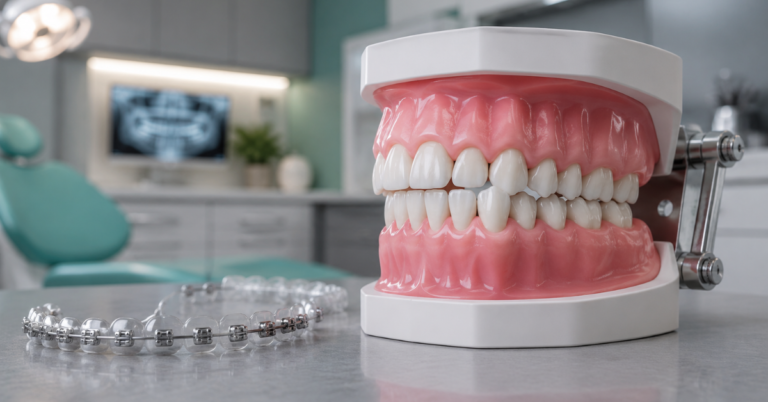
3. Bite Problems (Malocclusion)
Bite issues are among the most important reasons to seek treatment:
|
Bite Problem |
What It Looks Like |
|
Overbite |
Upper front teeth cover too much of the lower teeth |
|
Underbite |
Lower teeth sit in front of the upper teeth |
|
Crossbite |
Upper teeth fit inside the lower teeth |
|
Open bite |
Front teeth don’t meet when the mouth is closed |
|
Deep bite |
Upper teeth excessively overlap the lower ones |
4. Protruding Front Teeth
Teeth that “stick out” — often linked to childhood thumb-sucking — are more likely to be injured during falls or sports.
5. Difficulty Chewing or Speaking
If you struggle to bite food properly, accidentally bite your cheek, or notice a lisp, misalignment could be the cause.
6. Jaw Pain or TMJ Discomfort
A misaligned bite can strain your jaw joint, sometimes contributing to temporomandibular joint (TMJ) disorders. This is a niche where our founder, an orthodontist and TMJ specialist, has particular expertise.
Who Is a Good Candidate for Orthodontic Treatment?
Orthodontic treatment is suitable for a wide range of people, but candidacy depends on a few clinical factors.
You May Be Suitable If You Have:
- Crooked, crowded, or rotated teeth
- Spacing or gaps you’d like to close
- An overbite, underbite, crossbite, or open bite
- Protruding teeth affecting function or confidence
- Difficulty chewing, biting, or speaking clearly
- Healthy teeth and gums — an essential foundation
Who Should Wait or Treat Other Issues First?
To qualify for orthodontic treatment, you shouldn’t have any active, untreated dental problems. As the Cleveland Clinic notes, placing braces on diseased teeth can seriously harm your oral health.
If you have cavities, gum disease, or significant decay, these need treatment first. The good news? At our multispecialty clinic, our periodontists and general dentists can address these concerns before your orthodontic journey begins — all under one roof.
Once your gums and teeth are healthy, treatment can usually proceed comfortably.
Is There a Right Age for Orthodontic Treatment?
One of the most common questions we hear is, “Am I too old for braces?” The reassuring answer: orthodontic treatment works at almost any age.
Children (Ages 7+)
The American Association of Orthodontists recommends a child’s first orthodontic check-up by age 7. Most children won’t need treatment this early, but it’s the ideal time to spot developing issues.
Because a child’s jawbones are still growing, early treatment with palatal expanders or functional appliances can sometimes reduce the need for complex procedures later.
Teenagers
The teen years remain the most popular time for braces or aligners. Most permanent teeth have erupted, and the jaw is still adaptable, making this a highly effective window.
Adults
Adults of any age can have successful orthodontic treatment, provided their teeth and gums are healthy. With discreet options like clear aligners and ceramic braces, more adults than ever are choosing to straighten their teeth — for both confidence and oral health.
What Are Your Orthodontic Treatment Options?
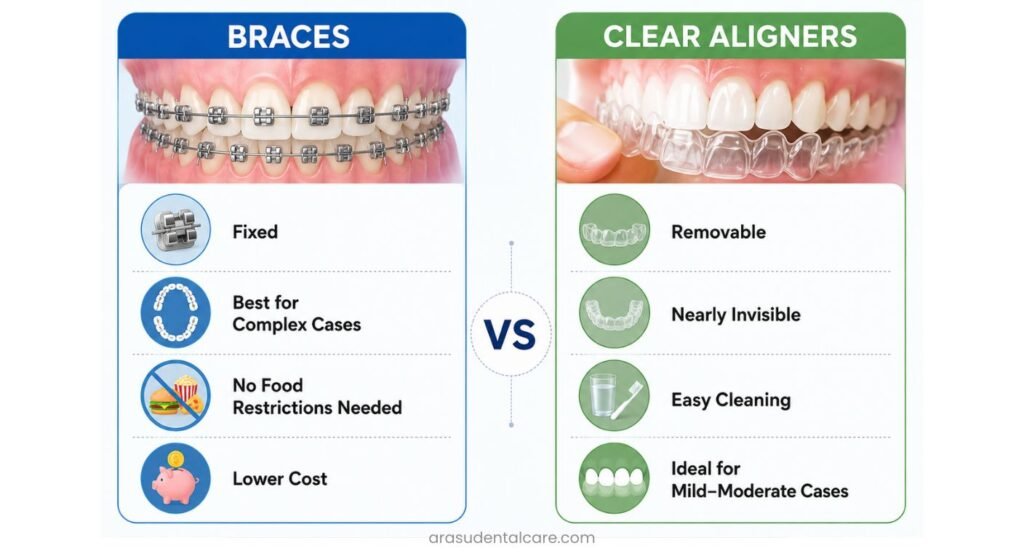
The right appliance depends on the complexity of your case, your lifestyle, and your preferences. Here’s a clear comparison.
|
Treatment |
Best For |
Visibility |
Removable |
|
Metal Braces |
Complex cases, all ages |
Visible |
No |
|
Ceramic Braces |
Those wanting subtlety |
Less visible |
No |
|
Clear Aligners (Invisalign) |
Mild to moderate cases |
Nearly invisible |
Yes |
|
Lingual Braces |
Discreet correction |
Hidden (behind teeth) |
No |
|
Self-Ligating Braces |
Fewer adjustments |
Visible |
No |
This isn’t about which option is universally “best” — it’s about which suits you. After evaluating your condition, our specialists will explain the available options and help you choose the one that fits your needs.
What Happens During an Orthodontic Consultation?
Knowing what to expect can ease any anxiety. Here’s a simple step-by-step look at the process.
Step 1: Examination
Your orthodontist examines your teeth, gums, jaw, and face to assess alignment and overall oral health.
Step 2: Diagnostic Records
This may include digital X-rays, photographs, and impressions or 3D scans of your teeth to plan treatment accurately.
Step 3: Personalised Treatment Plan
You’ll receive a clear plan outlining your options, the expected timeline, and what each stage involves.
Step 4: Informed Decision
Once you understand your choices — and are comfortable — treatment begins. If anything is unclear, we encourage you to ask. You should never feel rushed.
Benefits of Orthodontic Treatment
When suitable, orthodontic treatment offers more than a confident smile:
- Easier cleaning — straight teeth reduce plaque traps, lowering cavity and gum-disease risk
- Improved chewing and speech
- Reduced jaw strain and potential relief from certain TMJ symptoms
- Protection from uneven wear on your teeth
- Boosted self-confidence
The Better Health Channel highlights that aligned teeth are simply easier to maintain — supporting better oral health for life.
A Note on Comfort and Care
Modern orthodontics is far gentler than many people imagine. You may feel some pressure or mild tenderness after fittings or adjustments, but this typically settles within a few days.
We focus on a comfortable, patient-first experience, with clear guidance on cleaning, eating, and caring for your appliances throughout treatment.
Frequently Asked Questions
1. How do I know if I really need orthodontic treatment?
Only a qualified orthodontist can confirm this through an examination. However, signs like crooked teeth, gaps, bite problems, or difficulty chewing suggest a consultation would be worthwhile.
2. Am I too old for braces or aligners?
No. Adults of any age can have orthodontic treatment as long as their teeth and gums are healthy. Discreet options like clear aligners in coimbatore make adult treatment very practical.
3. Does orthodontic treatment hurt?
It’s generally comfortable. You may notice mild pressure or tenderness for a few days after fitting or adjustments, which usually eases quickly.
4. How long does orthodontic treatment take?
Most treatments take between 1 and 3 years, depending on the complexity of your case and how closely you follow your orthodontist’s guidance.
5. Can I get orthodontic treatment if I have cavities or gum disease?
Not immediately. These conditions should be treated first to protect your oral health. Our multispecialty team can address them before starting orthodontics.
6. Will I need a retainer after treatment?
Yes. Retainers hold your teeth in their new position. Without them, teeth can gradually drift back, so wearing your retainer as advised is essential.
7. Are clear aligners as effective as braces?
For mild to moderate cases, clear aligners work very well. For more complex alignment or bite issues, fixed braces may be recommended for predictable outcomes.
8. What’s the right age to bring my child for an orthodontic check-up?
The American Association of Orthodontists recommends a first check-up by age 7, allowing early detection of any developing concerns.
Conclusion: Take the First Confident Step
Deciding whether