Cause-first diagnosis · relief that lasts
That sharp jolt when you sip something cold, bite into ice cream or breathe in on a chilly morning is one of the most common dental complaints we see — and one of the most fixable. At Arasu Dental Care, we don't just numb the symptom: we find why your teeth have turned sensitive and treat that cause, so the relief lasts. Across our R.S. Puram and Saibaba Colony branches, our dentists pinpoint the source — worn enamel, a receding gum line, a small cavity, a crack, or a tooth that's been through recent work — and match the treatment to it.
Studies of Indian adults put tooth sensitivity at roughly one in four to one in three people, yet most simply put up with it — only a small fraction ever get it checked. You don't have to be one of them. This page explains what's likely behind your sensitivity and exactly what we'd do about it.
Open all seven days, 10:00 AM – 8:30 PM · R.S. Puram +91 88380 22157 · Saibaba Colony +91 74491 88777
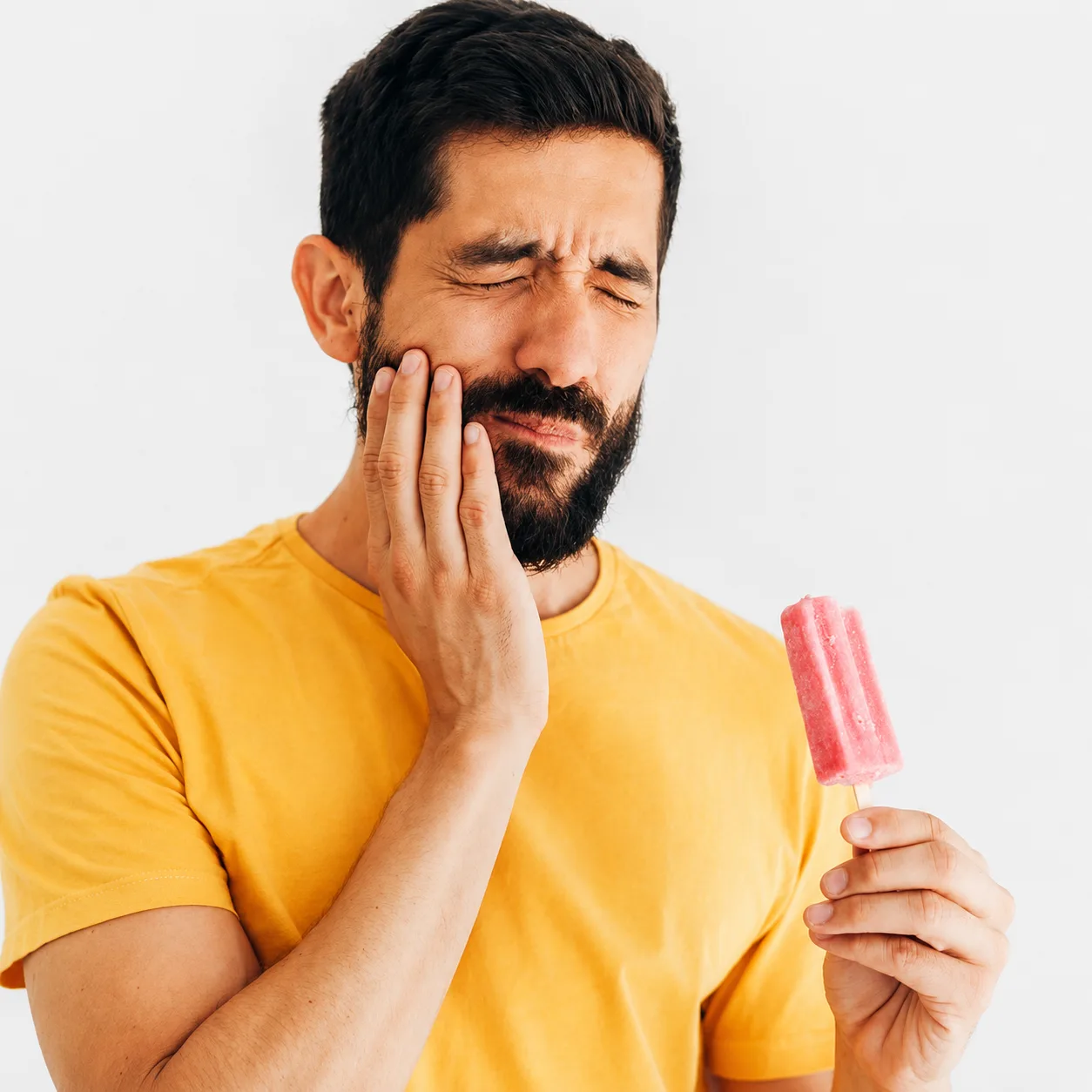
Sensitive teeth taking the joy out of your food or coffee? A short consultation finds the cause and your options. Call R.S. Puram on +91 88380 22157 or Saibaba Colony on +91 74491 88777.
Sensitive teeth pain treatment
Most sensitivity is a short, sharp reaction to cold, heat, sweet or sour that fades within seconds — usually from enamel wear or an exposed root near the gum line. That kind is very treatable and rarely serious. But sensitivity is also how a tooth signals a problem you shouldn't ignore, and telling the two apart is exactly what a check-up is for.
Any of these can mean a cavity, a crack, or the nerve becoming involved — where the fix is a filling, and occasionally a root canal, rather than a desensitising paste. It's worth remembering that although sensitivity is common, most people never get it assessed — which is a shame, because catching the cause early usually means a smaller, cheaper treatment than waiting until it worsens.
Teeth sensitivity treatment in Coimbatore
Sensitive teeth aren't a single condition with a single cure; they're a symptom with several possible causes, and each has its own fix. That's why our first step is always to find the source, then treat it directly. Here are the causes we see most often and what we do about each.
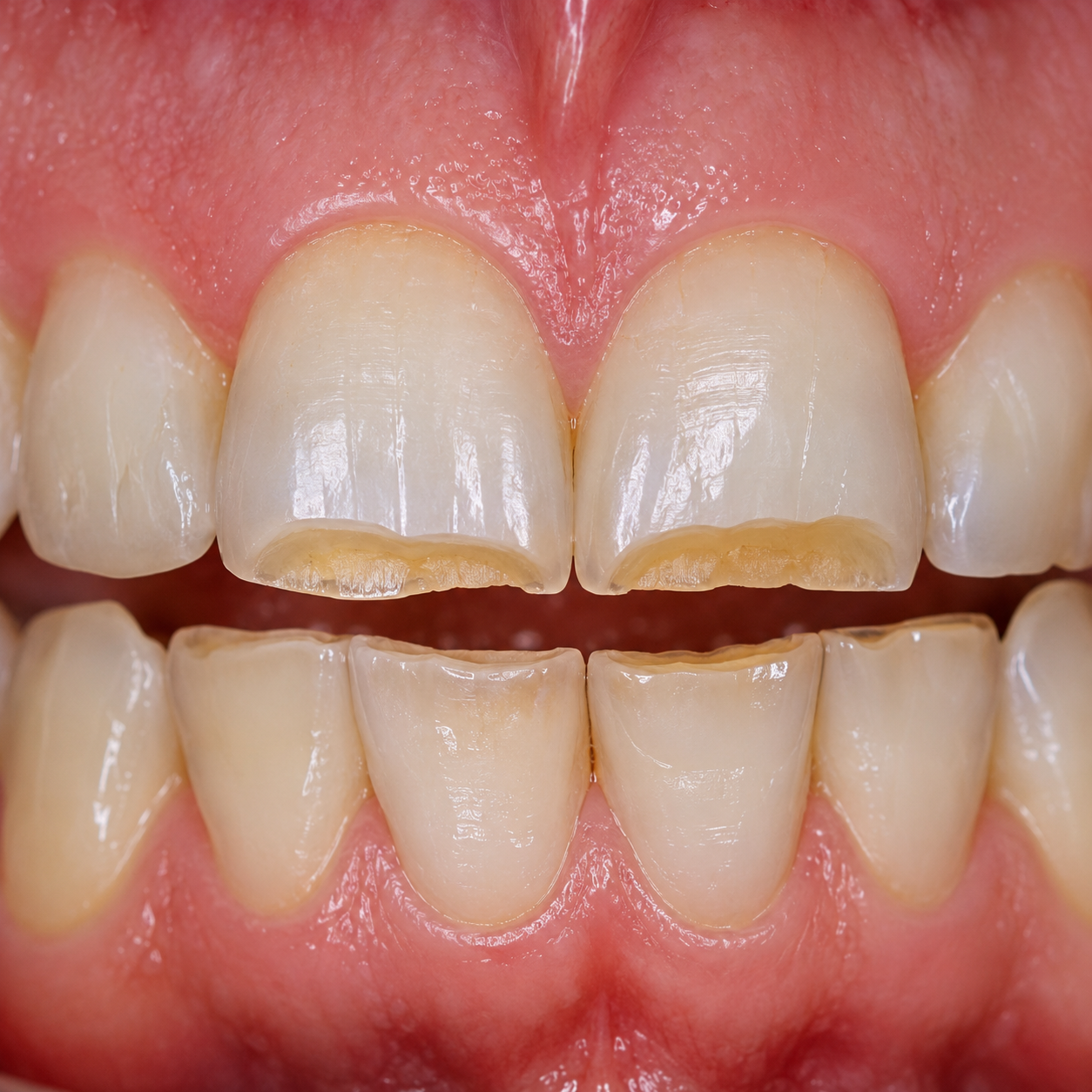
Years of hard brushing, acidic food and drink, or grinding can thin the enamel and expose the softer dentine beneath, which carries the cold and sweet signals straight to the nerve. For this we apply professional desensitising treatments in the chair — fluoride varnish and dentine-sealing agents that block those channels. Clinical trials show these in-office applications give a clear, measurable drop in sensitivity that holds over weeks to months, far beyond what toothpaste alone achieves. Where enamel is badly worn, a bonded filling or protective covering restores the surface.
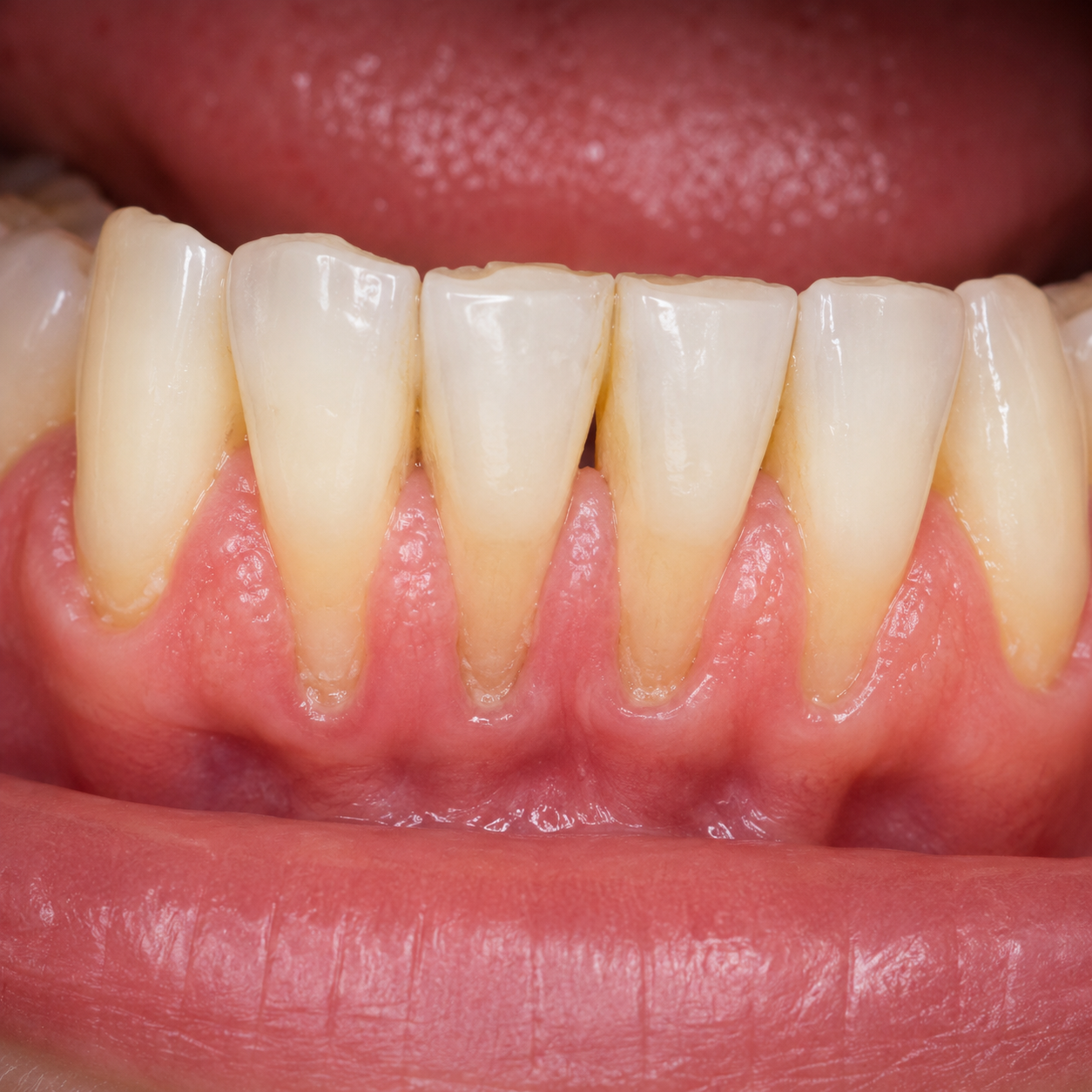
When gums pull back — often from gum disease or over-brushing — the root surface is exposed, and roots have no enamel to protect them, so they're especially sensitive. Here the real fix is treating the gums: a professional cleaning or deep cleaning to settle inflammation, plus desensitising the exposed roots. In advanced recession, our periodontist may recommend gum treatment to cover the root.
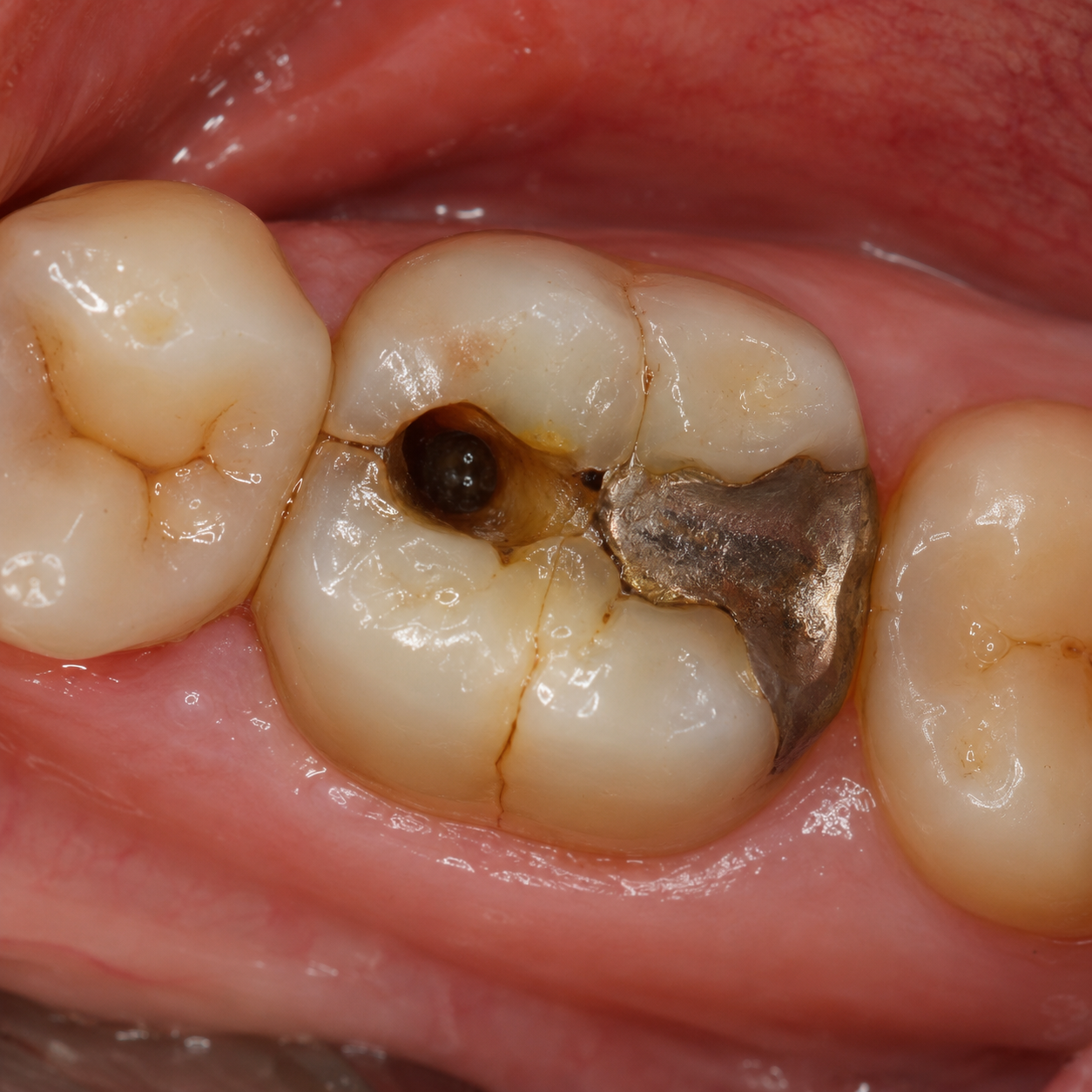
Sensitivity concentrated on one tooth, or triggered by biting, often points to decay or a crack letting stimuli reach the inner tooth. We diagnose it, then restore the tooth with a filling — or, if a large portion is damaged, a crown (tooth cap) to seal and protect it. When decay has reached the nerve and the pain lingers, a root canal relieves it and saves the tooth.

Mild, short-lived sensitivity after a filling, scaling or whitening is normal and usually settles within a few days as the tooth recovers. We'll tell you what's expected for your treatment and when to come back if it doesn't ease — so you're never left guessing whether it's normal.
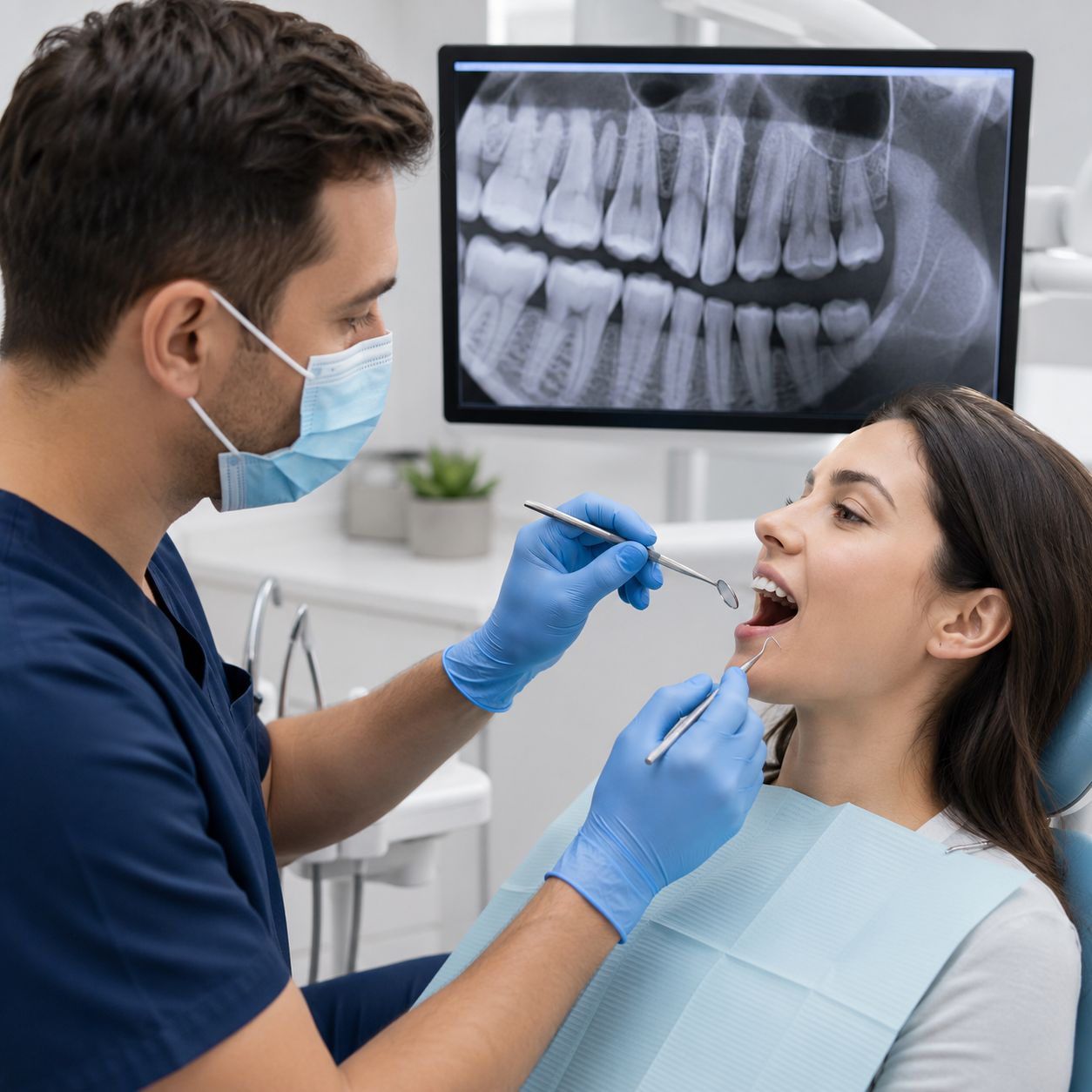
At your visit we take a history of what triggers the pain and where, examine the teeth and gums, and use X-rays where needed to check for decay, cracks or bone loss. That diagnosis is what lets us treat the actual cause instead of masking it — the difference between relief that lasts and sensitivity that keeps returning.
| Likely cause | Typical signs | How we usually treat it |
|---|---|---|
| Worn enamel / exposed dentine | General cold & sweet sensitivity | Desensitising application, fluoride varnish, bonding |
| Receding gums / exposed roots | Sensitivity near the gum line | Cleaning / gum care + desensitising roots |
| Cavity or crack | One tooth; pain on biting | Filling, or crown if badly damaged |
| Nerve involvement | Lingering or throbbing pain | Root canal to relieve and save the tooth |
| After recent work | Mild, settles in days | Reassurance + review if it persists |
General Dentist
Handles the fillings, bonding and root canal treatment when a cavity, crack or the nerve is behind your sensitivity — more than 1,000 root canal procedures performed. View profile
Periodontist · WCLI (USA) Laser Fellowship
Steps in when receding gums and exposed roots are the cause — gum care, laser-assisted therapy and root-coverage treatment for advanced recession. View profile
Straight talk
Desensitising toothpaste has its place, and we often recommend it — but it's worth being clear about what it does. It manages the symptom by gradually calming the nerve response, and it works best for mild, general sensitivity used consistently over weeks. What it can't do is fix a cavity, a crack, a receding gum line or an exposed root. If the cause is structural, the sensitivity comes back whenever you stop the paste — because the underlying problem is still there.
Cost
Because sensitivity has different causes, the cost depends on what's actually needed — from a simple in-chair desensitising application to treating the underlying decay or gum problem. We keep this transparent and give you a written estimate before anything begins. As a guide, here are the ranges we work within at Arasu Dental Care:
| Treatment (by cause) | Indicative range | Notes |
|---|---|---|
| Consultation & diagnosis | ₹300 – ₹500 | Assessment to identify the cause |
| Desensitising / fluoride application | Quoted at consultation | In-chair; often paired with a cleaning |
| Scaling / deep cleaning (gum-related) | ₹1,500 – ₹3,000 | When recession/tartar is the cause; deep cleaning higher |
| Filling (cavity or crack) | Quoted after exam | By material and size — see filling cost guide |
| Crown / tooth cap (badly worn tooth) | ₹5,000 – ₹25,000 | Per unit — metal, PFM or zirconia; rises with material |
| Root canal (nerve involved) | ₹5,000 – ₹7,000 | Per tooth; anterior to molar |
Simple desensitising treatment is inexpensive and quick; costs rise only when the cause is decay, a crack or gum disease that needs restoring. All prices are subject to individual consultation and confirmed in writing before treatment begins. We accept cash, UPI, cards and net banking, and EMI options are available for higher-value treatment.
Want to know what your sensitivity will cost to fix?Book a consultation and we'll diagnose the cause and give you a clear estimate — R.S. Puram +91 88380 22157 or Saibaba Colony +91 74491 88777.
Book a consultationWhy Arasu
Treating sensitivity well comes down to diagnosis — and because we're a multispecialty clinic, whatever the cause turns out to be, the right person to treat it is already here. You get the actual fix in one place, not a referral elsewhere — and honest advice on whether it even needs treatment yet.
Not a one-size desensitising paste. If it's a worn surface, we desensitise and restore it; if it's your gums, our periodontist steps in; if it's decay or the nerve, our restorative and endodontic team handle it.
Fillings, gum care, root canals and crowns — whatever the diagnosis calls for, it's treated here by the in-house specialist, not referred out mid-problem.
10:00 AM – 8:30 PM at two central Coimbatore locations — R.S. Puram and Saibaba Colony — so a check fits around your work, not the other way round.
You know the cost before we start, with EMI available on higher-value treatment. And if it doesn't need treatment yet, we'll tell you that too.
Book your sensitivity consultation
R.S. Puram: 129, W Sambandam Road, R.S. Puram, Coimbatore 641002 · +91 88380 22157 · Saibaba Colony: 160, NSR Road, Saibaba Colony, Coimbatore 641011 · +91 74491 88777. Open Monday–Sunday, 10:00 AM – 8:30 PM · WhatsApp +91 96007 56297.
FAQs
Sensitivity usually means the protective enamel has worn thin or the root has been exposed — from hard brushing, acidic food and drink, grinding, gum recession, or a new cavity or crack. A sudden change in one tooth, especially to heat or on biting, is worth checking promptly, as it can point to decay or a crack. We diagnose the cause before treating it.
By treating the cause, not just the symptom. For worn enamel or exposed roots we use in-chair desensitising and sealing treatments; for gum recession, a cleaning and gum care; for a cavity or crack, a filling or crown; and where the nerve is involved, a root canal. Which one you need depends on what's causing it — that's what the consultation determines.
Not always — most sensitivity is from enamel wear or exposed roots and isn't serious. But pain that lingers, throbs on its own, focuses on one tooth, or hurts when you bite can signal a cavity, crack or nerve involvement. Because you can't tell from the outside, it's best to have lingering or one-tooth sensitivity assessed.
It depends on the cause. A simple desensitising application is inexpensive; a consultation is around ₹300–₹500. If the cause is decay, gum disease or a crack, the cost is that of the filling, cleaning, crown or root canal needed. We diagnose first and give a written estimate before starting.
Toothpaste can manage mild, general sensitivity if used consistently, and we often recommend it. But it can't fix a cavity, crack, receding gum line or exposed root — if the cause is structural, the sensitivity returns when you stop. A quick check tells you whether toothpaste is enough or the cause needs treating.
Desensitising applications are quick and comfortable to receive. Where a filling or deeper treatment is needed, it's done under proper local anaesthesia, and most patients find it far more comfortable than they expected.
Yes — mild, short-lived sensitivity after these treatments is normal and usually settles within a few days as the tooth recovers. If it's severe or lasts longer than that, let us know so we can check it.
It depends on the cause. Enamel wear and exposed dentine respond very well to professional treatment, though results can ease over time and may need a top-up. Gum recession can be managed and the sensitivity treated, but the gum won't regrow on its own. A cavity or crack, once repaired, resolves that source. We'll give you a realistic picture for your case.
Medical disclaimer: this page is general information, not a diagnosis. Prevalence and treatment-efficacy figures reflect published research, not a promise of individual outcomes — results vary. Please consult our dentists for a personalised assessment.
Stop working around your teeth
Diagnosis, your options and a clear written estimate — before any treatment begins. Open Monday to Sunday, 10:00 AM – 8:30 PM · WhatsApp +91 96007 56297.
More From Arasu