Why Do Dental Implant Costs Vary?
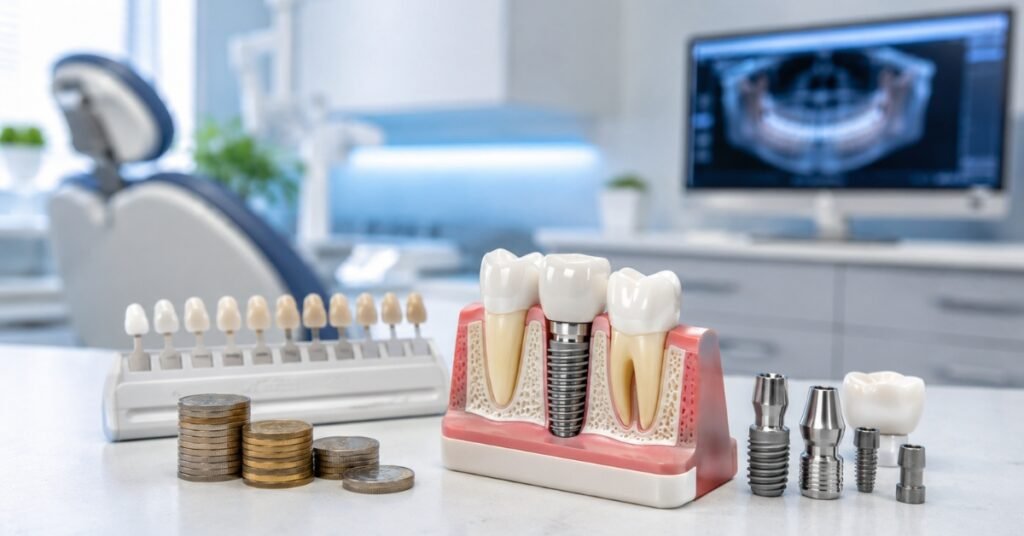
If you’ve researched a missing-tooth replacement, you’ve likely noticed something confusing: the dental implant cost quoted by one clinic can be less than half of what another quotes for what sounds like the exact same treatment. One place says ₹25,000, another says ₹65,000 — for a single tooth. So which number is real, and why is there such a wide gap?
The short answer: a dental implant is not a single product. It’s a multi-stage medical procedure, and the final price reflects several clinical and material decisions — most of which happen before you sit in the chair. At Arasu Dental Care, we believe you deserve to understand exactly what shapes that number, so you can make a confident, informed decision rather than chasing the lowest figure.
In this guide, we’ll walk you through every factor that influences implant pricing, explain why “cheapest” isn’t always safest, and help you ask the right questions at any clinic you visit.
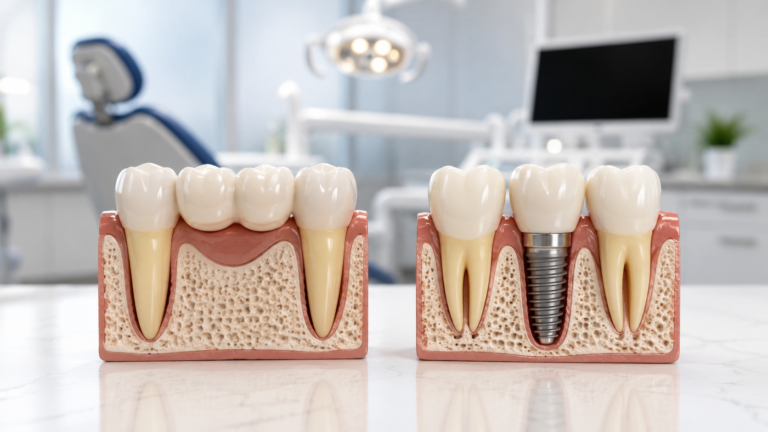
What Exactly Is a Dental Implant? (And Why It’s Not Just One Part)
Before we talk cost, it helps to understand what you’re actually paying for.
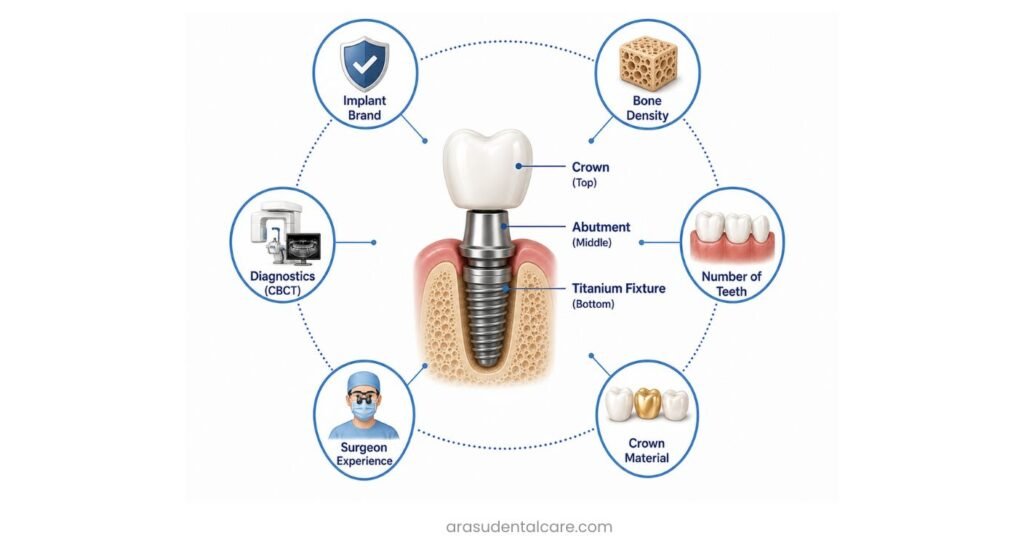
A dental implant has three core components:
- The implant fixture — a small titanium screw placed into your jawbone, acting as an artificial tooth root.
- The abutment — a connector piece that links the implant to the visible tooth.
- The crown — the tooth-shaped part you see and chew with, made from ceramic or zirconia.
When a tooth is lost, this system replaces the entire structure — root and crown — and integrates with your bone over a few months (a process called osseointegration). Because each component varies in brand, material, and quality, the price you pay is really the sum of many smaller decisions.
This is the single biggest reason two quotes can look so different.
The Main Factors That Influence Dental Implant Cost
Let’s break down each cost driver in plain language.
1. The Implant Brand and Quality
This is usually the largest cost variable. Internationally established systems — such as those documented in long-term clinical registries — carry higher prices because they’re backed by decades of research and high published survival rates.
According to the American Academy of Implant Dentistry, well-placed dental implants have a high long-term success rate when quality materials and proper protocols are used. More affordable implant systems exist and can be appropriate for many cases — but the brand chosen directly affects both the price and the available clinical data behind it.
A good clinic will explain which system they recommend for your case and why — not simply default to the cheapest or the most expensive.
2. Your Bone Density and Volume
This factor is often invisible to patients but significant to cost.
If a tooth has been missing for several months or longer, the jawbone in that area naturally begins to shrink. When there isn’t enough healthy bone to anchor an implant, you may need an additional procedure such as:
- Bone grafting — rebuilding bone volume in the implant site.
- Sinus lift — creating space and bone support in the upper back jaw.
These add to the total cost but are sometimes essential for a predictable, long-lasting outcome. Skipping a genuinely needed graft to lower the price can compromise the entire treatment.
3. Number of Teeth Being Replaced
The economics change dramatically depending on how many teeth are missing.
- A single tooth needs one implant and one crown.
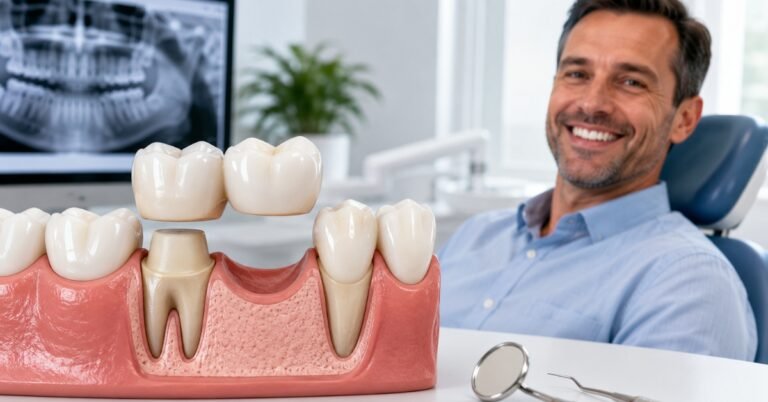
- Several adjacent teeth can often be supported by an implant-supported bridge — two implants holding three or more teeth — which is more economical per tooth.
- A full arch can be restored with techniques like All-on-4 or All-on-6, where a few strategically placed implants support an entire set of teeth.
Replacing every missing tooth with an individual implant is the most expensive route and is rarely the recommended approach for a full mouth dental implants.
4. Type of Crown and Prosthetic Material
The visible tooth isn’t one-size-fits-all. Crowns range from standard ceramic to full-contour zirconia, each with different aesthetics, strength, and price. For full-arch cases, the prosthesis material (acrylic hybrid, monolithic zirconia, and so on) further changes the cost.
5. The Implantologist’s Experience
Implantology is a specialised field. A surgeon with extensive training, advanced credentials, and a high volume of successfully completed cases brings predictability — particularly in complex situations involving low bone density or aesthetic front-tooth zones.
At Arasu Dental Care, our implant team combines years of clinical experience with digitally guided techniques to deliver predictable outcomes, not guarantees.
6. Diagnostics and Technology Used
Proper planning relies on accurate imaging. Tools like 3D CBCT scans and digital X-rays allow precise implant placement and reduce surgical risk. Clinics that invest in this technology may price slightly higher — but the accuracy it provides is well worth it.
7. Clinic Location and Setup
A specialist clinic in a central, well-equipped location with sterilisation protocols, modern operatories, and a multispecialty team naturally carries different overheads than a basic single-chair setup. This influences pricing — but also reflects the standard of care you receive.
Single Tooth vs Full-Mouth: How Cost Scales
Here’s a simplified view of how pricing generally scales by case type. These are indicative ranges to set expectations only — actual cost depends entirely on your individual clinical needs.
|
Treatment Type |
What It Involves |
Indicative Range (INR) |
|
Single Tooth Implant |
1 implant + abutment + crown |
₹25,000 – ₹60,000 |
|
2–3 Teeth (Implant Bridge) |
2 implants supporting a bridge |
₹60,000 – ₹1,80,000 |
|
All-on-4 (per arch) |
4 implants + fixed full arch |
₹1,50,000 – ₹3,50,000 |
|
All-on-6 (per arch) |
6 implants + fixed full arch |
₹2,00,000 – ₹4,50,000 |
Add-on procedures such as bone grafting (₹8,000–₹25,000) or a sinus lift (₹15,000–₹30,000) may apply where clinically required.
For an accurate, personalised figure, an in-clinic examination and a diagnostic scan are essential — because every jaw is anatomically unique.
Why the “Cheapest” Implant Isn’t Always the Smartest Choice
It’s natural to look for the most affordable option for a significant treatment. But with implants, the lowest quote sometimes hides important details.
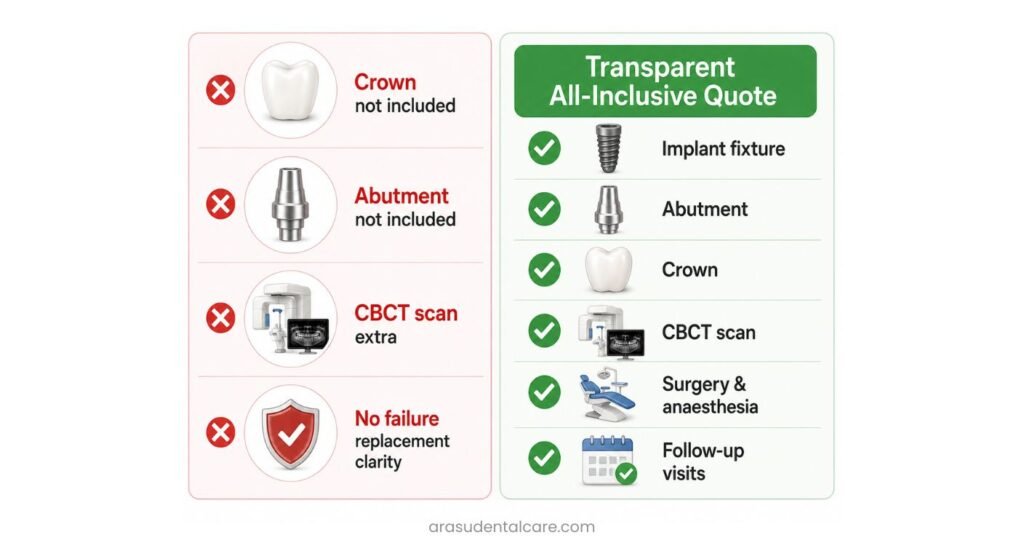
A suspiciously low price may cover only the implant fixture — not the crown, the abutment, or the CBCT scan. By the time those are added, the “cheap” implant can cost the same or more, but with less clarity from the start.
Instead of asking “Which is cheapest?”, a better question is “What’s included, and is this the right solution for my case?” A comfortable, effective, and durable result is the goal — not the smallest number on a quote.
How to Read a Dental Implant Quote (Step-by-Step)
Use this simple approach when comparing clinics:
- Ask what’s included. Confirm whether the price covers the implant, abutment, crown, scan, surgery, and follow-ups.
- Ask which implant system is used. A trustworthy clinic will explain the brand and why it suits your case.
- Ask about additional procedures. Find out if bone grafting or a sinus lift might be needed — and the likely added cost.
- Ask about the implantologist. Experience and case volume matter for predictable outcomes.
- Request a written, itemised plan. Transparency upfront means no surprises later.
A clinic confident in its care will welcome these questions — never rush you toward a quick decision.
Are Dental Implants Worth the Investment?
When cared for properly, dental implants can function comfortably for many years — often well over a decade. According to information published by the National Institute of Dental and Craniofacial Research (NIDCR), replacing missing teeth supports both oral function and the health of surrounding structures.
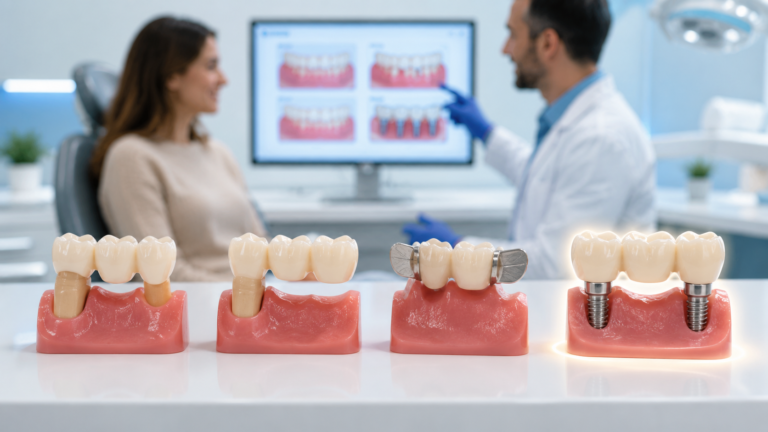
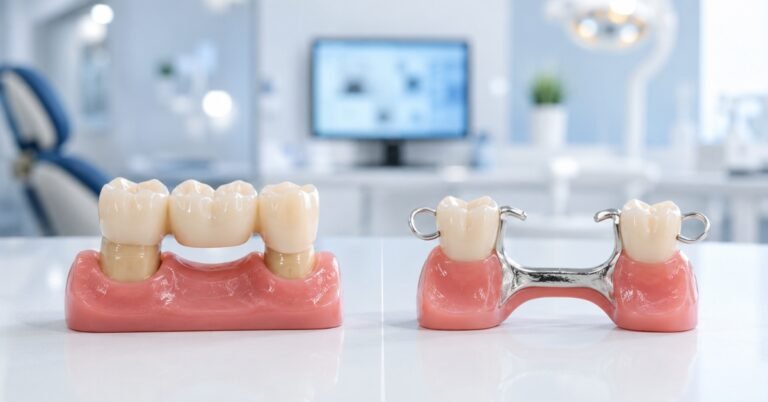
Unlike a traditional bridge, an implant doesn’t rely on grinding down healthy neighbouring teeth. And unlike removable dentures, it stays securely in place — no adhesives, no slipping. For many patients, that long-term stability and comfort makes the upfront cost a worthwhile investment in lasting oral health.
Frequently Asked Questions
1. Why do two clinics quote such different prices for the same implant?Because the price reflects the implant brand, crown material, diagnostics, the surgeon’s experience, and whether extra procedures like bone grafting are needed. A lower quote may also exclude key components like the crown or scan, so always ask for a full breakdown.
2. Does the implant brand really affect the cost?Yes. Established international systems are backed by extensive long-term clinical data and typically cost more, while value brands can be suitable for many cases at a lower price. The right choice depends on your individual situation.
3. Will I definitely need a bone graft?Not always. Many patients have sufficient bone for direct implant placement. A bone graft or sinus lift is only recommended when there isn’t enough healthy bone to support the implant securely — and a 3D scan helps determine this.
4. Is a cheaper implant safe?A lower-priced implant can be appropriate when it meets recognised quality and safety standards and is placed correctly. The concern is with quotes that cut corners on components, diagnostics, or sterilisation — which is why transparency matters more than the headline price.
5. Are dental implants comfortable to undergo?The procedure is performed under appropriate anaesthesia to keep you comfortable. Most patients report only mild discomfort for a day or two afterwards, which is usually manageable with basic medication.
6. How long do dental implants last?With good oral hygiene, regular check-ups, and healthy habits, implants can last many years — often decades. Long-term success depends on bone health, maintenance, and avoiding habits like smoking.
7. Can I pay for implants in instalments?Many clinics, including ours, offer flexible payment options such as EMI to make treatment more accessible. It’s best to ask about available plans during your consultation.
8. How do I know which implant option is right for me?Only