When Do You Need a Dental Crown?
Have you ever felt a sharp twinge when biting down, or noticed an old filling slowly crumbling away? These are often the first quiet signals that your tooth may need extra support. Knowing when do you need a dental crown can be the difference between saving a natural tooth and losing it entirely.
At Arasu Dental Care in Coimbatore, we believe you deserve to understand why a treatment is recommended before you ever sit in the chair. So in this guide, we’ll walk you through the real signs, situations, and options — clearly, honestly, and without pressure — so you can make a confident decision about your oral health.
What Is a Dental Crown?
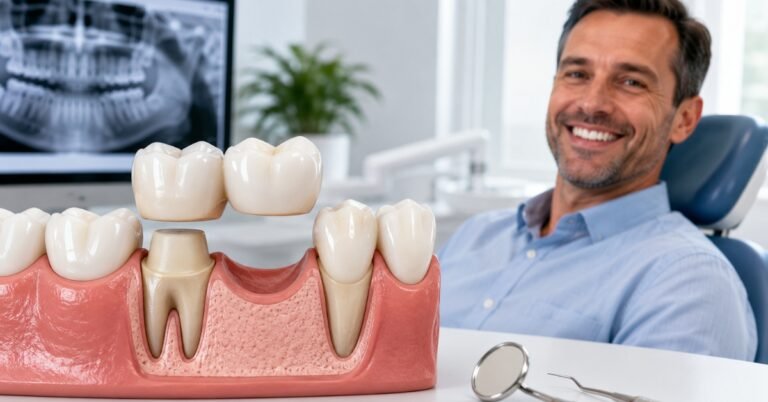
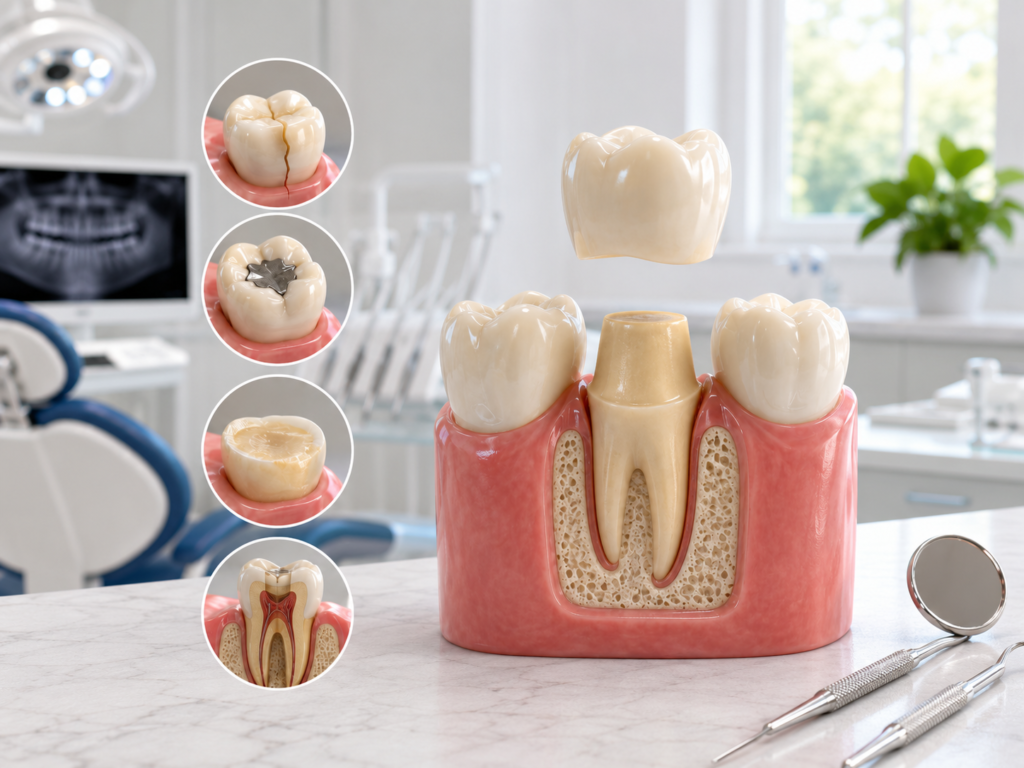
A dental crown is a custom-made, tooth-shaped cap that fits snugly over a damaged or weakened tooth. Think of it as a protective helmet for your tooth — it restores the tooth’s shape, size, strength, and natural appearance.
Crowns cover the entire visible portion of the tooth above the gumline. To fit one properly, a dentist gently reshapes the tooth and bonds the crown securely in place using strong dental cement.
According to the American Dental Association, crowns are among the most common restorations used to extend the life of a natural tooth — making them a cornerstone of modern restorative dentistry.
When Do You Need a Dental Crown? The Key Signs
A crown isn’t always the first solution — but in certain situations, it becomes the most reliable way to protect a tooth long-term. Here are the most common reasons a dentist may recommend one.
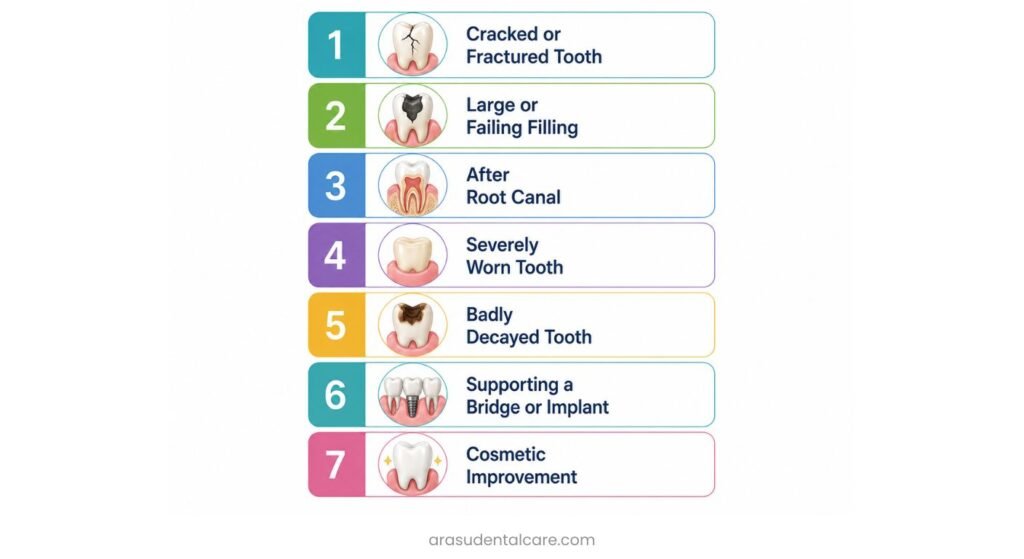
1. You Have a Cracked or Fractured Tooth
A cracked tooth is more than a cosmetic concern. Unlike a broken bone, a tooth fracture cannot heal on its own.
If left untreated, the crack can spread deeper, leading to pain, infection, or even tooth loss. A crown wraps around the tooth, holding it together and preventing the fracture from worsening.
Watch for: sharp pain when chewing, sensitivity to temperature, or a visible line on the tooth.
2. Your Tooth Has a Large Filling That’s Failing
Fillings are excellent for small to moderate cavities. But when a filling becomes very large — often more than two-thirds the width of the tooth — there may not be enough natural tooth structure left to support it.
In these cases, the remaining tooth becomes vulnerable to cracking. A crown covers and protects the entire tooth, offering far more durability than another filling.
3. You’ve Had a Root Canal
After root canal treatment, a tooth often becomes more brittle because its inner nerve and blood supply have been removed.
This is especially true for back teeth, which absorb heavy chewing pressure. A crown restores strength and shields the treated tooth from fracturing — which is why crowns are so commonly recommended after root canals.
4. Your Tooth Is Severely Worn Down
Years of grinding (a condition called bruxism), acidic erosion, or an uneven bite can wear teeth down significantly.
Worn teeth become shorter, more sensitive, and prone to further damage. A crown rebuilds the natural shape and height of the tooth, restoring comfortable function.
5. You Have a Badly Decayed Tooth
When decay is too extensive for a simple filling to repair, a crown may be the best way to preserve the tooth and prevent the spread of bacteria.
6. To Support a Bridge or Cover an Implant
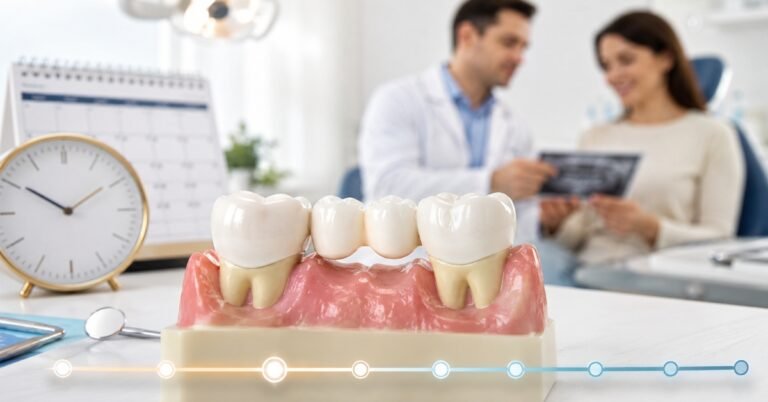
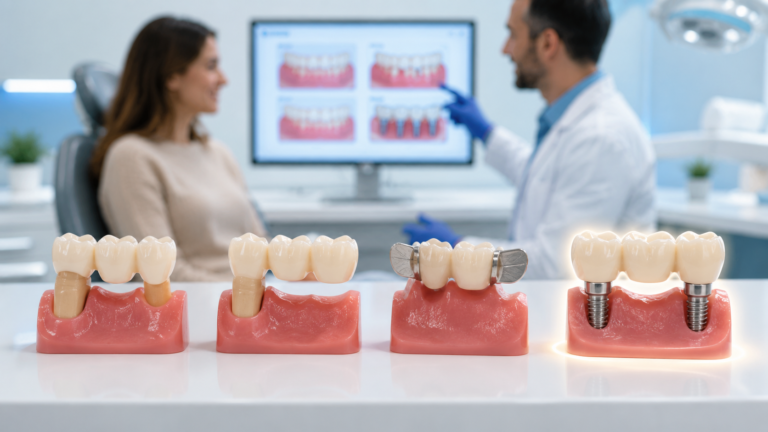
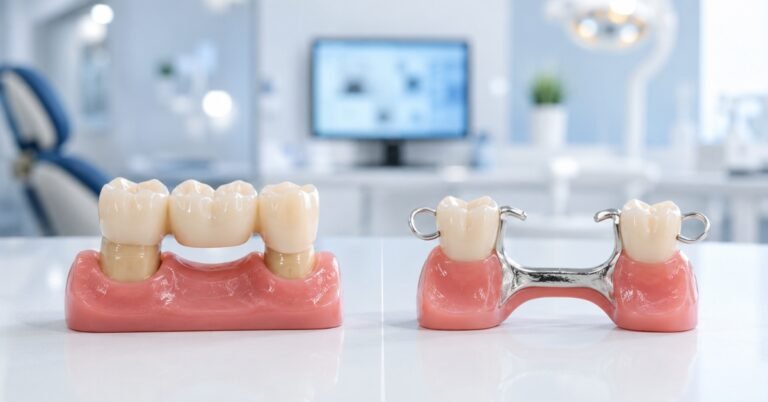
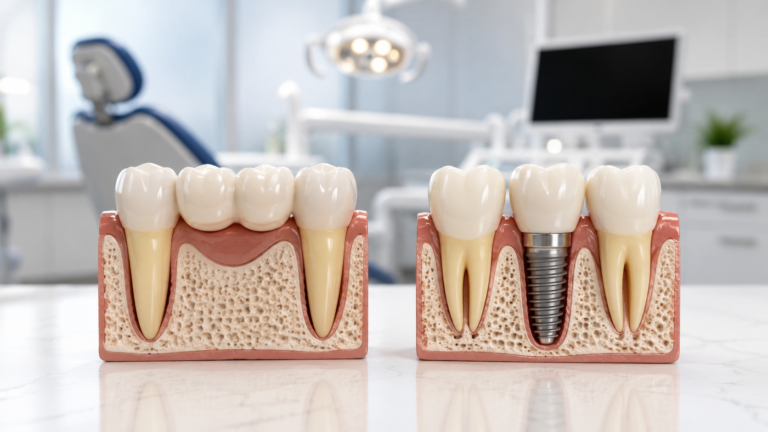
Crowns play a structural role too. They anchor dental bridges in place and serve as the visible, functional tooth on top of a dental implant.
7. For Cosmetic Improvement
Sometimes a tooth is severely discoloured, misshapen, or doesn’t match the surrounding teeth. When veneers or whitening aren’t suitable, a crown can restore both appearance and function for a uniform smile.
Crown vs. Filling: How the Decision Is Made
Many patients ask: “Do I really need a crown, or will a filling do?” It’s a fair and important question. The right choice depends on how much healthy tooth structure remains.
Here’s a simple comparison to help you understand the difference.
|
Factor |
Dental Filling |
Dental Crown |
|
Damage level |
Small to moderate decay |
Large decay, cracks, or weakened teeth |
|
Coverage |
Fills a portion of the tooth |
Covers the entire tooth |
|
Strength provided |
Moderate |
High — protects against fracture |
|
Best for |
Minor cavities |
Post-root canal, large fillings, breaks |
|
Longevity |
Several years |
5–15 years (or longer with care) |
At Arasu Dental Care, we always evaluate the more conservative option first. A crown is recommended only when it genuinely offers the best long-term outcome for your tooth — never as an automatic default.
Types of Dental Crowns
The right crown for you depends on the tooth’s location, your aesthetic goals, and your individual needs. Here’s an overview of the most common materials.
All-Ceramic / Porcelain Crowns
These closely mimic natural tooth enamel, making them ideal for front teeth and patients with metal allergies. Zirconia, a highly durable ceramic, is popular for its strength and natural appearance.
Porcelain-Fused-to-Metal (PFM) Crowns
PFM crowns combine the strength of metal with a tooth-coloured porcelain surface. They suit both front and back teeth, though the porcelain layer may occasionally chip over time.
Metal Crowns
Made from gold or other alloys, metal crowns are extremely durable and resist wear well. Their metallic colour makes them best suited for out-of-sight back molars.
Same-Day (CAD/CAM) Crowns
Using digital scanning and in-office milling technology, some crowns can be designed and placed in a single visit. Ask your dentist whether you’re a suitable candidate.
Stainless Steel Crowns (for Children)
These are often used as a protective, temporary measure on children’s baby teeth, falling out naturally when the permanent tooth erupts.
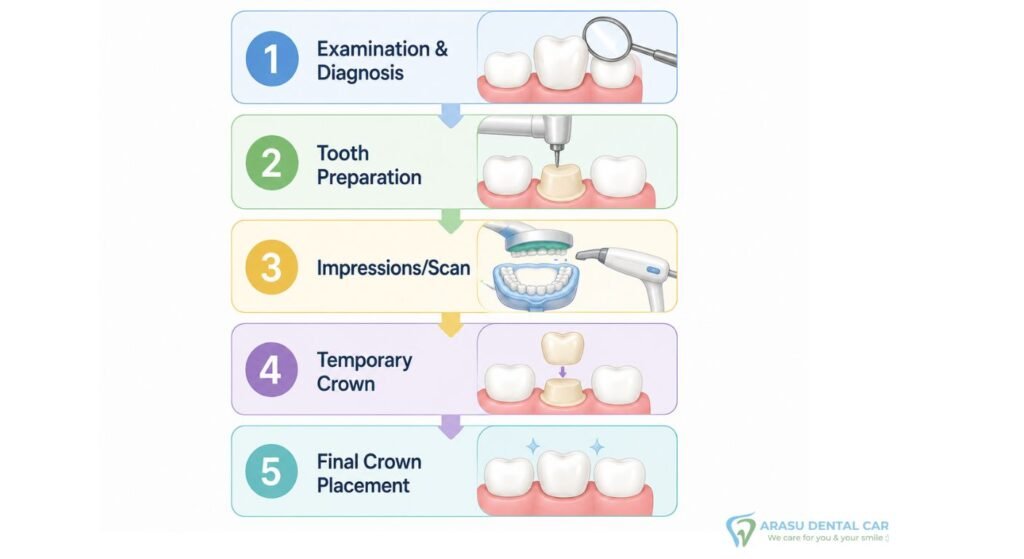
How Is a Dental Crown Placed? A Step-by-Step Guide
Understanding the process can ease any anxiety. Most crowns are completed comfortably over one or two visits, performed under appropriate local anaesthesia.
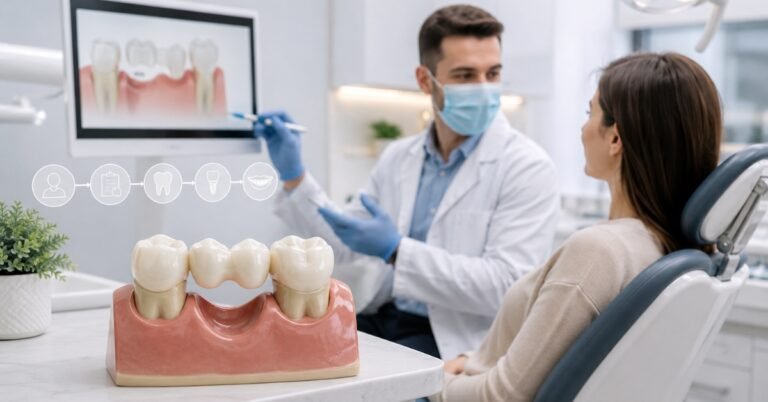
Step 1 — Examination & Diagnosis: Your dentist examines the tooth, takes X-rays, and discusses whether a crown is the right option for you.
Step 2 — Tooth Preparation: The tooth is gently reshaped to make room for the crown. If needed, filling material builds up a strong foundation.
Step 3 — Impressions: A physical or digital scan of your tooth is taken to design a crown that fits your bite perfectly.
Step 4 — Temporary Crown: While your permanent crown is crafted, a temporary one protects the prepared tooth.
Step 5 — Final Placement: At your next visit, the dentist checks the shape, colour, and fit of your new crown, then bonds it securely in place.
Are There Alternatives to a Dental Crown?
Yes — and a trustworthy dentist will always explain your full range of options. Depending on your situation, alternatives may include:
- Inlays and onlays — for teeth too damaged for a filling but too healthy for a full crown.
- Veneers — thin shells for cosmetic concerns on front teeth with no major damage.
- Dental fillings — suitable when decay is still minor.
- Extraction and implant — when a tooth is too severely damaged to save predictably.
The best path forward is one chosen with you, after a careful evaluation of your tooth and your goals.
Caring for Your Dental Crown
A crown protects your tooth, but the natural tooth beneath it can still decay. Good habits keep both healthy for years.
- Brush twice daily with fluoride toothpaste and a soft-bristled brush.
- Floss gently around the crown every day.
- Avoid biting hard items like ice, pens, or popcorn kernels.
- If you grind your teeth, ask about a custom night guard.
- Keep up with regular dental check-ups and cleanings.
With proper care, crowns commonly last between 5 and 15 years — and often much longer.
Frequently Asked Questions
1. Is getting a dental crown painful?The procedure is performed under appropriate anaesthesia, so it’s a comfortable experience. Mild sensitivity for a few days afterward is normal and usually settles on its own.
2. How long does a dental crown last?On average, crowns last 5 to 15 years. With excellent oral hygiene and care, many last considerably longer.
3. Can a tooth under a crown still decay?Yes. While the crown itself can’t decay, the natural tooth beneath it can. Daily brushing, flossing, and regular check-ups are essential.
4. Do I always need a crown after a root canal?Not always — but it’s commonly recommended, especially for back teeth, because the treated tooth becomes more brittle and benefits from the protection a crown provides.
5. How do I know if I need a crown or just a filling?It depends on how much healthy tooth remains. Small cavities usually need fillings, while extensive damage, cracks, or large failing fillings often call for a crown. A dental examination gives you a clear answer.
6. What’s the difference between a crown and a veneer?A crown covers the entire tooth and is restorative in nature. A veneer is a thin shell that covers only the front surface and is mainly cosmetic.
7. Can a loose crown be fixed?Often, yes. If your crown feels loose or comes off, see your dentist promptly — early attention usually allows it to be re-cemented or replaced.
8. How soon can I eat after getting a crown?After a permanent crown is bonded, you can usually eat normally once any anaesthesia wears off. With temporary crowns, it’s best to avoid sticky or hard foods.
Your Tooth Deserves Expert, Honest Care
A damaged tooth rarely improves on its own — but it doesn’t have to mean stress or guesswork either. The right time to act is when you first notice the signs: sensitivity, a cracked surface, a failing filling, or discomfort while chewing.
At Arasu Dental Care, our experienced multispecialty team evaluates every option carefully and explains exactly why a treatment is right for you. We’re open all seven days, off