Are Dental Implants a Long-Term Investment?
When patients ask us whether dental implants are a genuine long-term investment, our honest answer is this: dental implants long term can last decades — and often a lifetime — but only when the right factors come together.
The truth sits somewhere between the marketing promise of “teeth for life” and the worry that you might spend money on something that fails in a few years. At Arasu Dental Care, we believe you deserve the full picture before making a decision this important.
This guide walks you through what the science actually shows, what affects how long implants last, and how to protect your investment for the long run — so you can decide with confidence, not pressure.
What “Long-Term” Actually Means for Dental Implants
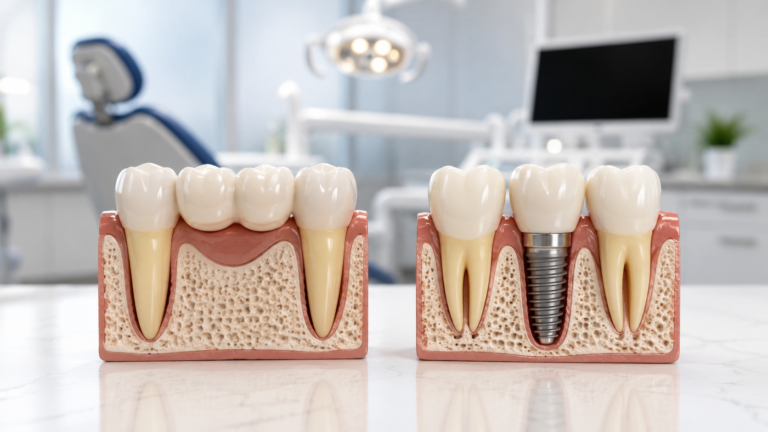
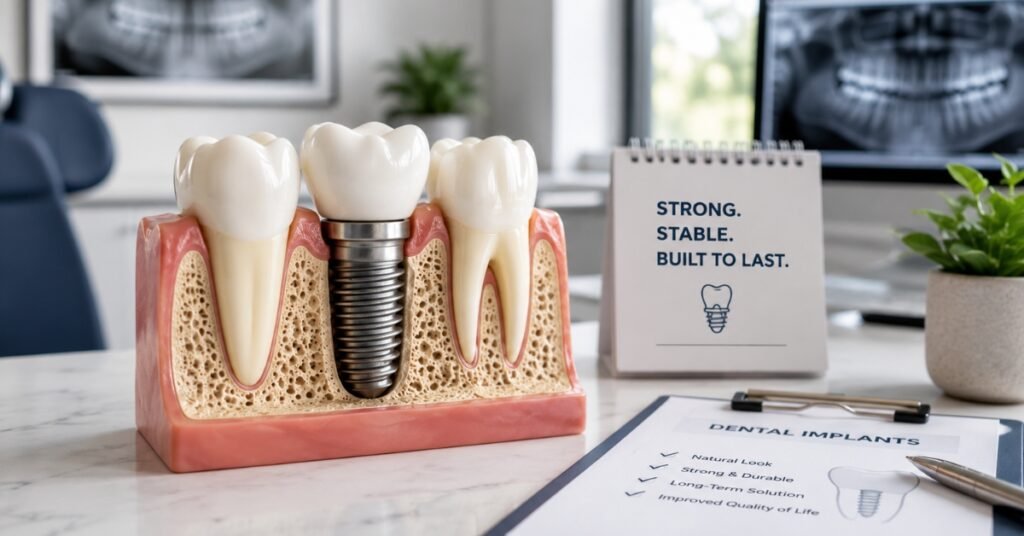
A dental implant isn’t a single object. It’s a system with three parts, and each part has a different lifespan. Understanding this distinction is the key to answering the longevity question honestly.
|
Component |
What It Does |
Typical Lifespan |
|
Implant post (titanium/zirconia) |
Fuses with the jawbone as an artificial root |
25+ years, often a lifetime |
|
Abutment |
Connector between post and crown |
15–20 years (replaceable) |
|
Crown (visible tooth) |
The part you see and chew with |
10–20 years before replacement |
The implant post itself is designed to be permanent. It bonds with your jawbone through a process called osseointegration, where bone tissue grows around and fuses with the implant surface.
The crown, however, faces daily wear and tear — chewing, grinding, temperature changes. That’s why most crowns need replacement at some point, even when the implant beneath them remains perfectly healthy.
So when you invest in an implant, you’re really investing in a foundation that can last decades, with periodic, lower-cost maintenance of the visible portion.
What the Research Says About Implant Survival Rates
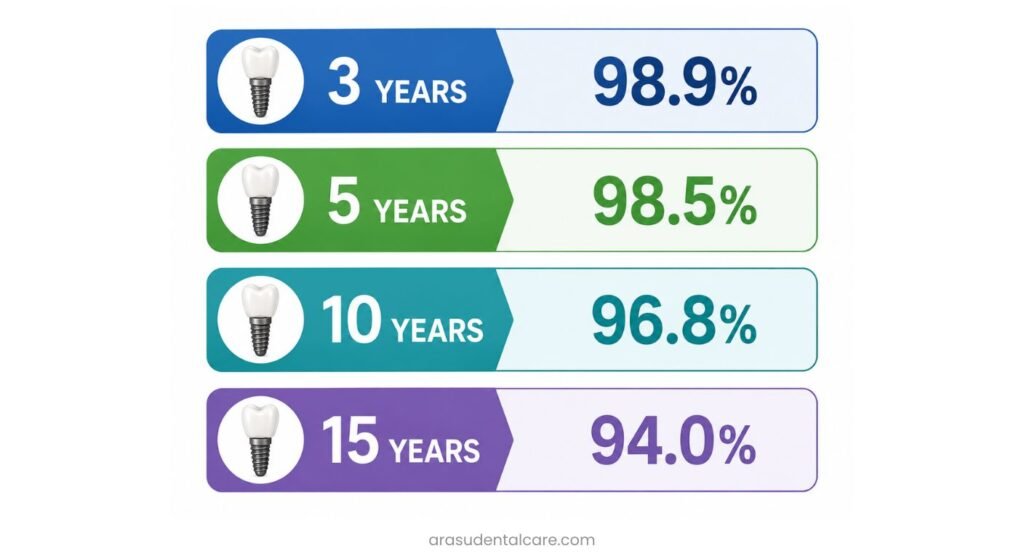
This is where the evidence becomes genuinely reassuring. One of the largest long-term studies available — a cohort study tracking 10,871 dental implants in 4,247 patients over up to 22 years — gives us real-world numbers rather than lab estimates.
Here’s what that research found at the implant level:
|
Time Period |
Implant Survival Rate |
|
3 years |
98.9% |
|
5 years |
98.5% |
|
10 years |
96.8% |
|
15 years |
94.0% |
These figures come from a study published in Clinical Implant Dentistry and Related Research, which you can review through the National Library of Medicine.
The U.S. Food and Drug Administration also recognises dental implants as a safe, effective tooth replacement that helps preserve jawbone and restore chewing function.
What this tells us is straightforward: when implants are placed well and cared for properly, the overwhelming majority survive for well over a decade. That’s a strong return on a significant investment — but as the same research emphasises, those numbers depend on managing certain risk factors.
The Factors That Decide Whether Your Implant Lasts
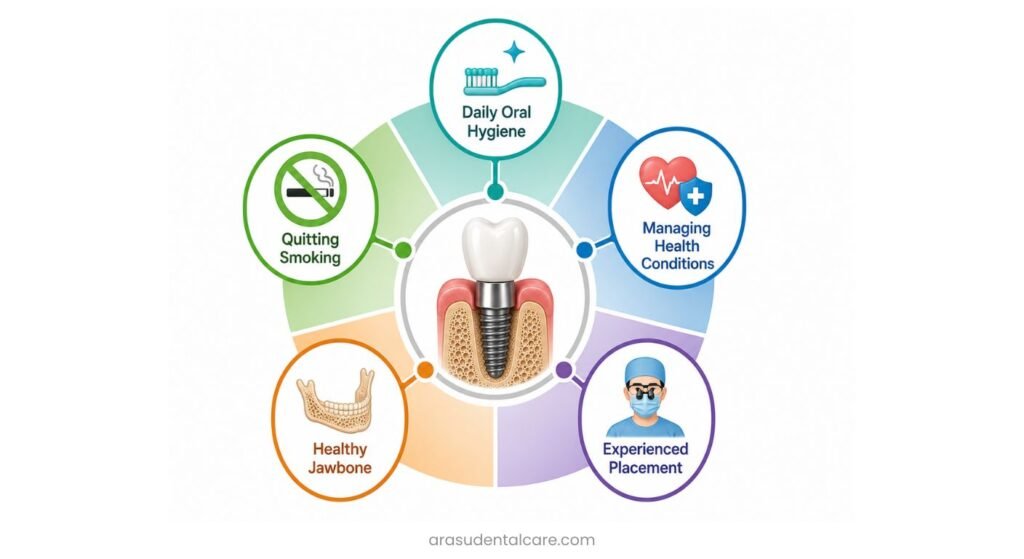
Long-term success isn’t automatic — it’s earned. Understanding what influences longevity helps you make choices that protect your investment.
1. Oral Hygiene and Maintenance
This is the single biggest factor within your control. While an implant can’t develop a cavity, the gum and bone around it can become inflamed.
Plaque buildup around an implant leads to peri-implant mucositis — and if left untreated, this can progress to peri-implantitis, a condition involving bone loss that can cause implant failure.
In the long-term study mentioned earlier, the incidence of peri-implantitis rose from 2% at 2–3 years to 7.1% at 8–10 years, reinforcing how important ongoing care is.
2. Smoking
The evidence here is consistent and clear. Research indicates implant failure rates are roughly 11% in smokers compared with 5% in non-smokers.
Smoking restricts blood flow to the gums, which interferes with healing and osseointegration. If you smoke, this is one area where a change genuinely improves your outcome.
3. General Health Conditions
Certain medical conditions can affect how well an implant integrates and heals. The long-term cohort data found that diabetes mellitus and heavy smoking were both positively correlated with implant failure.
Other conditions to discuss with your dentist include osteoporosis, autoimmune disorders, and anything that affects bone health or healing.
4. Bone Quality and Quantity
An implant needs a stable foundation. Where bone volume is low — common in older patients or after long-term tooth loss — additional planning is needed.
The same research interestingly found that implants placed in augmented bone (after grafting procedures) carried a slightly higher risk over time, which is why a thorough, personalised assessment matters so much.
5. The Skill of Your Dental Team
Precision placement affects how evenly chewing forces are distributed and how reliably the implant integrates. This is where choosing experienced specialists makes a measurable difference to predictable outcomes.
Comparing Implants to Other Tooth Replacement Options
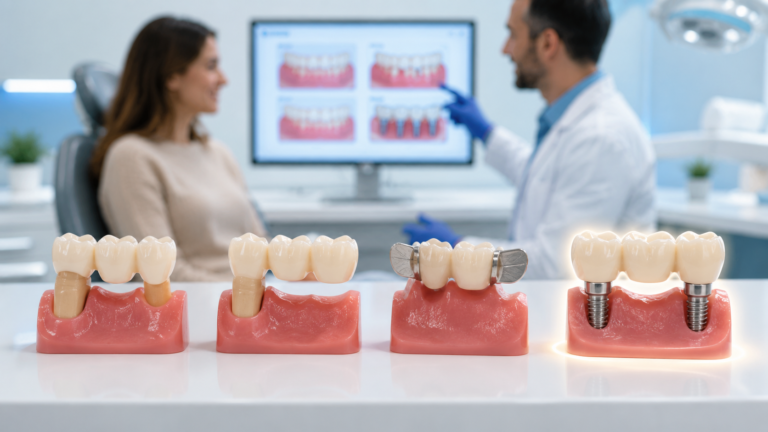
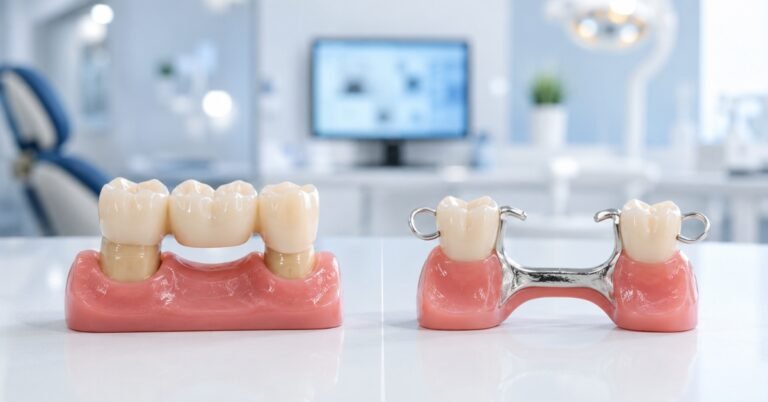
To judge whether implants are a wise long-term investment, it helps to see how they compare with alternatives over time.
|
Option |
Average Lifespan |
Bone Preservation |
Affects Neighbouring Teeth |
|
Dental Implant |
15+ years to lifetime (post) |
Yes — preserves jawbone |
No |
|
Dental Bridge |
10–15 years |
No |
Yes — requires shaving adjacent teeth |
|
Dentures |
7–10 years |
No — bone shrinks over time |
No |
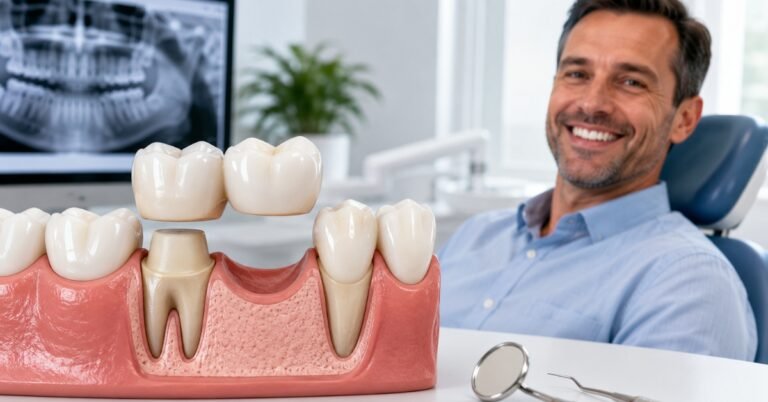
The standout advantage of implants is jawbone preservation. Because the implant acts like a natural tooth root, it stimulates the bone and helps prevent the bone loss and facial sagging that often follow missing teeth.
This is why, despite a higher upfront cost, many patients find implants offer better long-term value — fewer replacements, better function, and protection of surrounding oral structures.
How to Make Your Dental Implant Last Longer
Protecting your investment comes down to consistent, sensible habits. Here’s a practical maintenance routine.
Daily Care
- Brush twice a day with a soft-bristled brush
- Floss daily, using implant-friendly floss or interdental brushes
- Use an alcohol-free antibacterial mouthwash to reduce harmful bacteria
Professional Care
- Visit your dentist every six months for check-ups and cleaning
- Ensure periodic monitoring of bone levels and gum health
- Address any early signs of inflammation promptly
Lifestyle Choices
- Avoid biting hard items like ice, nuts, or hard candy
- Wear a night guard if you grind your teeth (bruxism)
- Avoid smoking to support long-term gum and bone health
- Maintain good general health and nutrition for strong bones
These aren’t complicated steps — but done consistently, they’re what turn “possible longevity” into a long-lasting reality.
Signs Your Implant May Need Attention
Early detection protects your investment. Contact your dental provider if you notice any of the following around an implant:
- A loose or wobbly feeling
- Pain or discomfort when biting or chewing
- Redness, swelling, or tenderness of the gums
- Bleeding around the implant site
- Pus or any sign of infection
- Receding gums
Many issues, especially in their early stages, are treatable without removing the implant. Acting quickly almost always leads to a better outcome.
Frequently Asked Questions
1. Are dental implants really a lifelong investment?The implant post is designed to be permanent and often lasts a lifetime with proper care. The crown typically needs replacement every 10–20 years. So the foundation is a long-term investment, with periodic, lower-cost maintenance of the visible tooth.
2. What is the long-term success rate of dental implants?Large-scale research shows implant survival rates of around 96.8% at 10 years and 94% at 15 years — among the highest of any tooth replacement option.
3. Can a dental implant fail years after it’s placed?Yes, though it’s uncommon. Late failures are usually linked to peri-implantitis, smoking, uncontrolled diabetes, teeth grinding, or insufficient maintenance. Regular check-ups help catch problems early.
4. Do dental implants require special long-term maintenance?Not special tools — just consistent brushing, flossing, and six-monthly dental visits, much like caring for natural teeth. Good hygiene is the strongest predictor of longevity.
5. Are implants worth the higher upfront cost compared to bridges or dentures?For many patients, yes. Implants last longer, preserve jawbone, and don’t require altering neighbouring teeth, which often makes them more cost-effective over the long term.
6. Can older adults get long-lasting dental implant in coimbatores?There’s no upper age limit. The key requirements are sufficient healthy jawbone and good overall health. Many seniors enjoy excellent, durable results.
7. Does smoking really affect how long implants last?Yes — significantly. Studies show failure rates roughly double in smokers compared to non-smokers, because smoking impairs healing and gum health.
8. What happens if my crown wears out but the implant is fine?The crown can usually be replaced without disturbing the implant post beneath it. This is a routine, lower-cost procedure compared to placing a new implant.
The Bottom Line: A Sound Investment in Long-Term Oral Health
So, are dental implants a long-term investment? Based on decades of evidence — yes, for the right patient with the right care.
The implant post can last a lifetime, survival rates remain remarkably high even at 15 years, and the benefits extend beyond aesthetics to jawbone preservation, better chewing, and lasting confidence. Longevity, however, is earned through good hygiene, healthy lifestyle choices, and skilled placement.
At Arasu Dental Care, our experienced dentists coimbatore implantologists take a thorough, evidence-based approach — evaluating your bone health, overall condition, and long-term goals before recommending any treatment. We’ll explain all your options clearly and help you choose what genuinely suits you, with transparent pricing and no pressure.
Ready to find out if dental implants are the right long-term choice for you? Book a consultation with our best dental implant clinic in coimbatore specialist implant team in R.S. Puram or Saibaba Colony, Coimbatore. Call us at +91 88380 22157