How Successful Are Dental Implants?
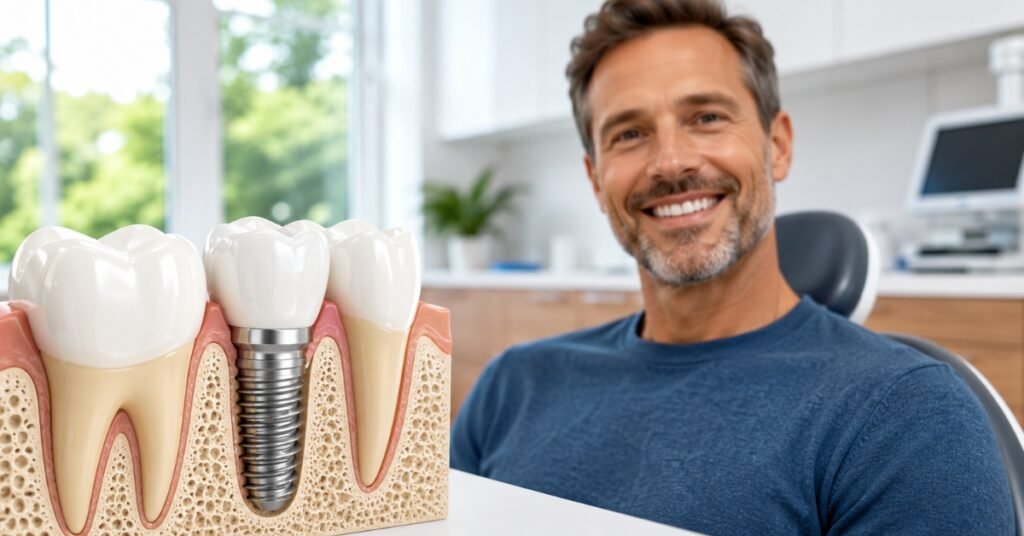
If you are considering replacing a missing tooth, one question matters more than any other: how reliable is the treatment? The good news is that the dental implant success rate is among the highest of any procedure in modern dentistry, with most studies reporting success well above 95% over five to ten years.
But a number on its own does not tell the full story. Success depends on your health, your bone, the skill of your dental team, and how well you care for the implant afterwards.
At Arasu Dental Care, we believe you deserve to understand exactly what those numbers mean for you. In this guide, our specialists explain the evidence, the factors that influence outcomes, and the practical steps that help implants last for decades.
What Does “Dental Implant Success” Actually Mean?
Many people assume “success” simply means the implant stays in the mouth. In reality, dental professionals measure success more carefully than that.
There is an important difference between two terms you will see in the research:
- Survival rate — the implant is still in place and functioning.
- Success rate — the implant is stable, free of infection, surrounded by healthy bone and gum, and looks and works like a natural tooth.
An implant can technically “survive” while still showing bone loss or gum problems. True success means long-term stability and health.
This distinction matters because it helps you set realistic expectations and ask the right questions during your consultation.
What Is the Dental Implant Success Rate? The Evidence
Decades of clinical research support the reliability of dental implants. Here is what the data tells us.
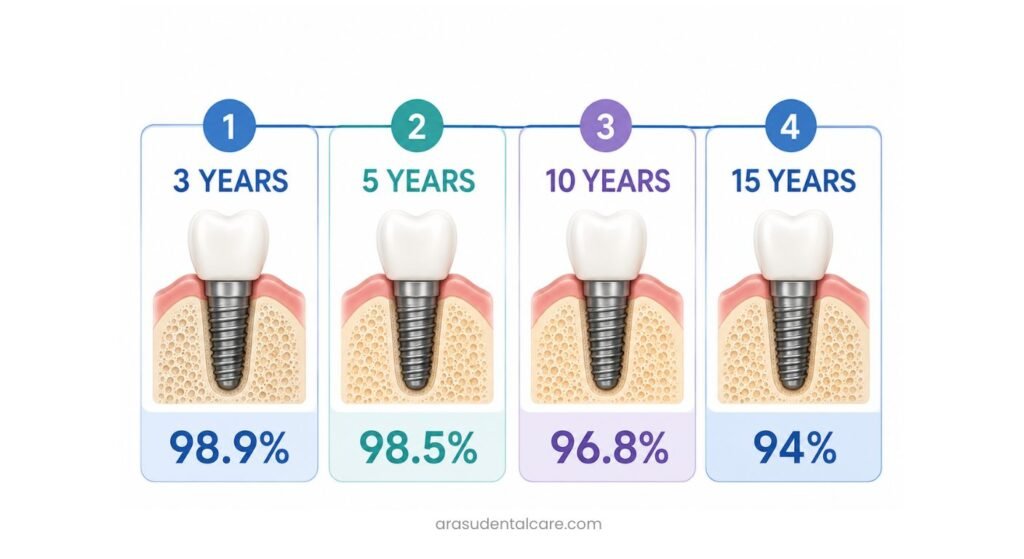
A large 22-year cohort study of 10,871 implants in 4,247 patients found cumulative implant survival of 98.9% at 3 years, 98.5% at 5 years, 96.8% at 10 years, and 94.0% at 15 years (Clinical Implant Dentistry and Related Research, 2021).
According to the Association of Dental Implantology, advances in implant design have pushed the 5-year survival rate of implant-supported prostheses to around 97.1% (ADI Aftercare Resources).
Success Rate by Implant Type
Different restorations have slightly different outcomes. The table below summarises commonly cited figures from peer-reviewed meta-analyses.
|
Implant Restoration Type |
5-Year Survival |
10-Year Survival |
|
Single crown implant |
~97.2% |
~95.2% |
|
Implant-supported bridge |
~95.6% |
~93.1% |
|
Full-arch fixed prosthesis |
~95.4% |
~93.9% (metal-ceramic) |
|
Mandibular overdenture |
93–100% |
High, attachment-dependent |
Figures adapted from systematic reviews (Jung et al., Pjetursson et al., Kim et al.).
The takeaway is reassuring: when planned and placed correctly, implants offer predictable, long-lasting outcomes across a wide range of situations.
Why Are Dental Implants So Successful?
Implants succeed because of a remarkable biological process and decades of refinement in materials and technique.
Osseointegration — The Foundation of Stability
The titanium implant fuses directly with your jawbone in a process called osseointegration. Once complete, the implant behaves almost like a natural tooth root, providing a firm, lasting base for your crown or bridge.
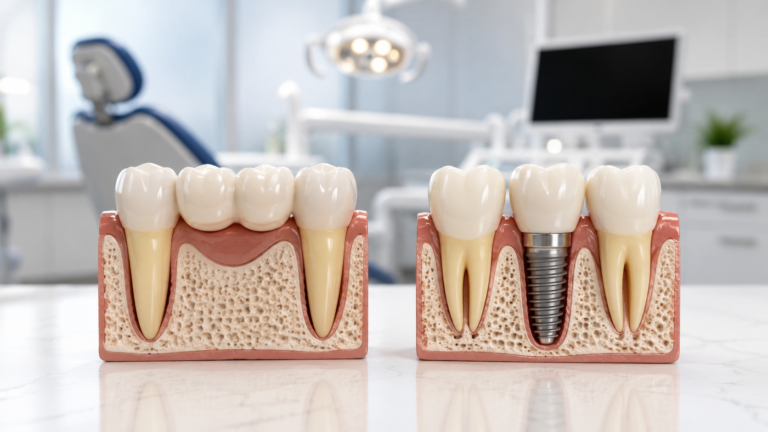
This biological bond is the single most important reason implants outperform older options like bridges and dentures.
Bone Preservation
Unlike other tooth replacements, implants stimulate the jawbone the way a natural root does. This helps prevent the bone loss that often follows tooth loss, supporting both function and facial structure over the long term.
Advanced Materials and Technology
Modern titanium alloys, improved surface coatings, and digitally guided placement have all contributed to better, more predictable results year after year.
Factors That Affect the Dental Implant Success Rate
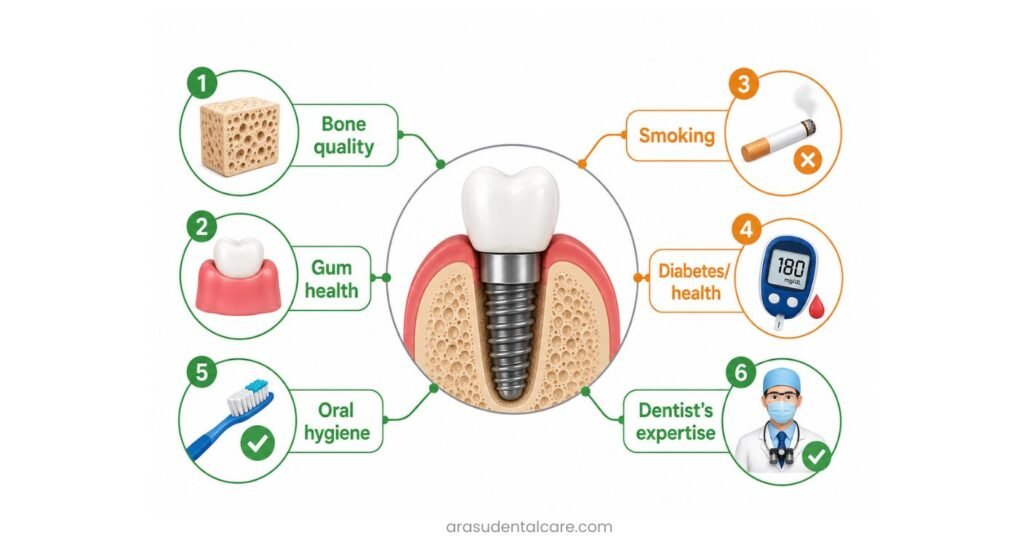
While the overall numbers are excellent, several factors influence whether an individual implant thrives. Understanding these helps you make an informed decision.
1. Bone Quality and Quantity
Implants need a healthy volume of bone for stability. Research consistently shows that low-density bone (type III/IV) and sites needing pre-implant grafting carry a higher risk.
A 6-year study found that implants in grafted bone — particularly after sinus lift surgery — had notably higher failure rates than those placed in native bone (Journal of Oral Medicine and Oral Surgery, 2022).
Where bone is insufficient, careful planning, bone grafting, or specialised techniques like basal implants can still deliver reliable outcomes.
2. Gum Tissue Health
It is not only about bone. Adequate gum thickness and a healthy band of keratinised tissue around the implant protect it from inflammation and bone loss.
Thin gum biotypes may benefit from soft-tissue augmentation to improve both health and appearance.
3. Smoking
Smoking reduces blood flow to the gums and supporting bone, slowing healing and increasing the risk of failure. Studies link heavy smoking to roughly double the failure risk.
If you smoke, reducing or quitting before surgery meaningfully improves your odds.
4. Uncontrolled Diabetes and Systemic Health
Well-managed diabetes is rarely a barrier to implants. However, uncontrolled diabetes impairs healing and raises infection risk. Conditions such as untreated gum disease also increase the chance of complications.
5. Oral Hygiene and Maintenance
Implants are not immune to disease. Peri-implantitis — gum infection and bone loss around an implant — is the most common late complication.
Consistent brushing, flossing, and regular professional check-ups are essential to long-term success.
6. The Skill of Your Implant Team
Precise diagnosis, correct implant positioning, appropriate sizing, and meticulous surgical technique are critical. This is why choosing an experienced, well-credentialed team genuinely matters.
How to Maximise the Success and Lifespan of Your Implant
The factors above are largely within your control. Here is a simple, practical roadmap.
Step 1: Choose an Experienced Implant Team
Look for a clinic with credentialed implantologists and a track record of varied cases, from single teeth to full-arch rehabilitation. A thorough evaluation with 3D imaging sets the foundation for success.
Step 2: Complete a Full Pre-Treatment Assessment
This includes checking your bone volume, gum health, medical history, and any habits like smoking. Treating gum disease and stabilising health conditions before surgery is key.
Step 3: Follow Post-Operative Care Carefully
Stick to your dentist’s instructions on diet, cleaning, and medication. Proper early healing protects osseointegration.
Step 4: Maintain Excellent Daily Hygiene
Clean around the implant just as you would a natural tooth, paying attention to the gumline.
Step 5: Attend Regular Reviews
Schedule check-ups and professional cleanings every 3–6 months so any early signs of trouble can be caught and managed promptly.
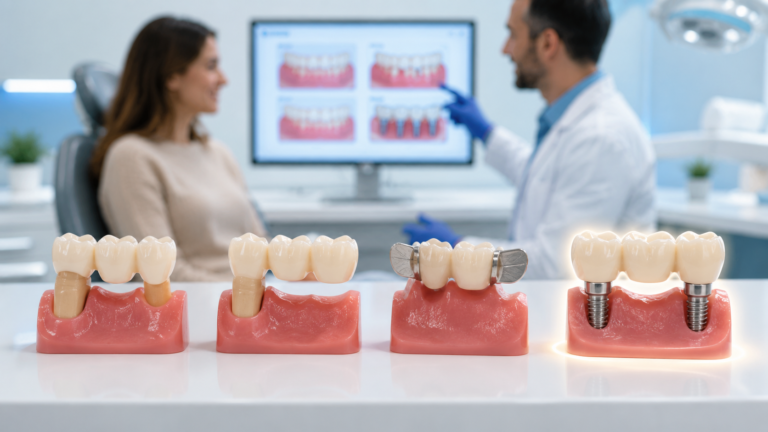
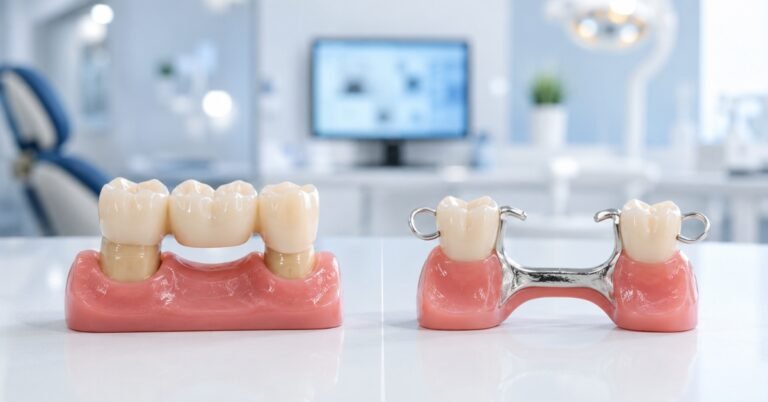
How Do Implants Compare to Bridges and Dentures?
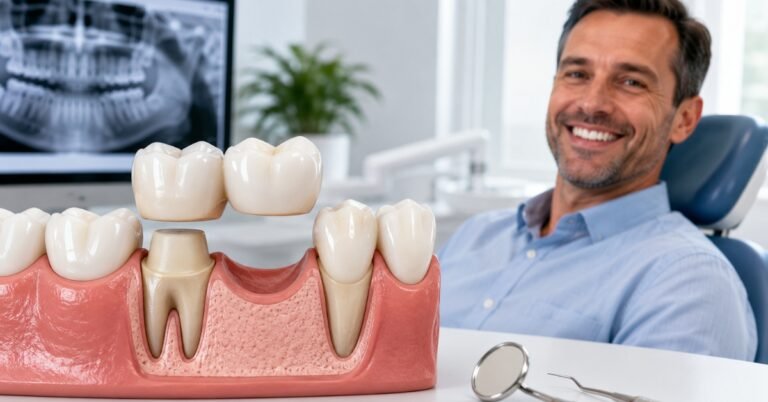
Implants consistently outperform alternatives in longevity and bone preservation.
|
Feature |
Dental Implants |
Fixed Bridge |
Dentures |
|
Typical lifespan |
Often decades |
~10–15 years |
5–10 years |
|
Preserves jawbone |
Yes |
No |
No |
|
Affects adjacent teeth |
No |
Yes (requires grinding) |
No |
|
Feels like natural teeth |
Closest match |
Good |
Variable |
|
Maintenance |
Like natural teeth |
Specialised cleaning |
Daily removal |
For most patients with good general health, implants represent the most durable and natural-feeling solution.
Frequently Asked Questions
What is the average dental implant success rate?
Most high-quality studies report success rates above 95% over five to ten years, with survival remaining around 94% even at 15 years when implants are well planned and maintained.
How long do dental implants last?
With proper care, implants frequently last 20 years or more, and many last a lifetime. The crown on top may need replacement sooner due to normal wear.
Can a dental implant fail years after placement?
Yes, though it is uncommon. Late failures are usually caused by peri-implantitis (gum infection and bone loss) or excessive biting forces. Regular maintenance greatly reduces this risk.
Does smoking really affect implant success?
Yes. Smoking reduces blood supply to healing tissues and is consistently linked to higher failure rates. Quitting before and after surgery improves your outcome significantly.
Are dental implants safe for older patients?
Absolutely. Age itself is not a barrier. What matters is bone quality, gum health, and overall medical condition — all of which can be assessed beforehand. Implants are an excellent option for many senior patients.
What is the most common reason for implant failure?
Peri-implantitis — infection and inflammation around the implant — is the leading cause of late failure, which is why ongoing hygiene and check-ups are so important.
Can I get an implant if I don’t have enough bone?
Often, yes. Techniques such as bone grafting, sinus lifts, or basal implants allow many patients with reduced bone to receive implants. A 3D scan will determine the best approach for you.
Is the implant procedure painful?
The procedure is performed under appropriate anaesthesia to keep you comfortable. Most patients report far less discomfort than expected, with mild soreness afterwards that is easily managed.
The Bottom Line
The evidence is clear and encouraging: dental implants are one of the most reliable, long-lasting solutions in modern dentistry, with success rates consistently exceeding 95%. Your individual outcome depends on healthy bone and gums, good habits, and — crucially — the expertise of the team caring for you.
At Arasu Dental Care, our experienced implantologists combine advanced technology with honest, evidence-based planning. We take time to explain your options clearly, so you can choose the treatment that genuinely suits your needs — never a one-size-fits-all answer.
Ready to find out if dental implants are right for you? Book a consultation with our specialist implant team in Coimbatore. We’ll assess your bone, gum health, and overall suitability, then walk you through every option with complete transparency — so you can decide with confidence.
📞 Call us at +91 88380 22157 or **WhatsApp +