What to Expect During Dental Implant Treatment
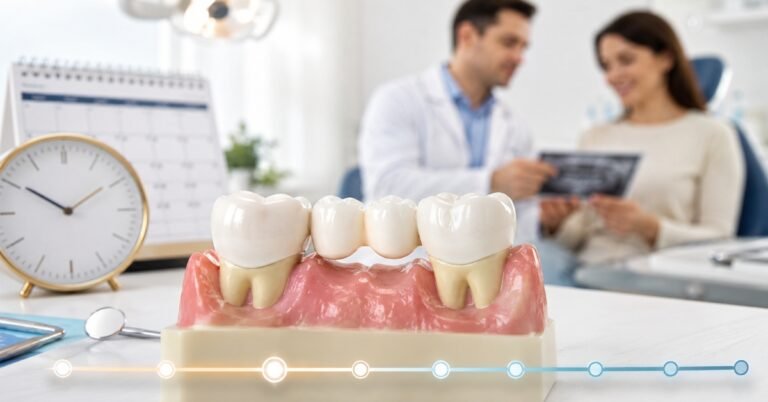
If you’re considering replacing a missing tooth, understanding the dental implant procedure before you begin can take away much of the uncertainty. At Arasu Dental Care, we believe patients make their most confident decisions when they know exactly what each step involves, how long it takes, and how comfortable the experience can truly be.
A dental implant is a small titanium or ceramic post that replaces the root of a missing tooth. Once it heals, your dentist places a natural-looking crown on top, restoring both function and appearance. The process is staged over several months, but each stage is gentle, predictable, and tailored to you.
In this guide, our implantologists walk you through the entire journey — from your first consultation to your final tooth — so you’ll know precisely what to expect.
What Is a Dental Implant? Understanding the Basics
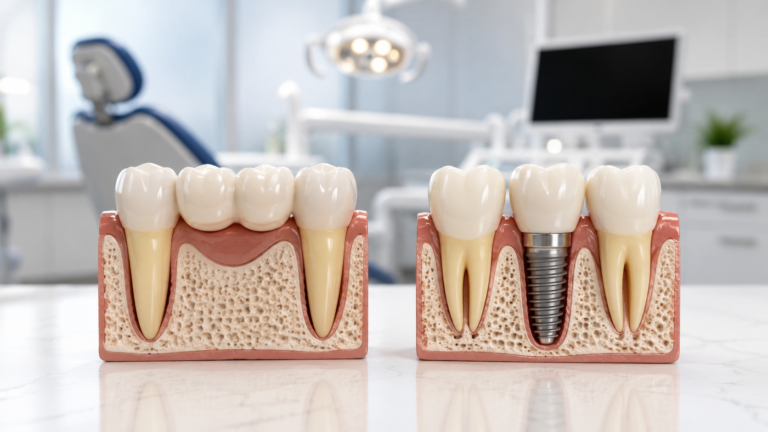
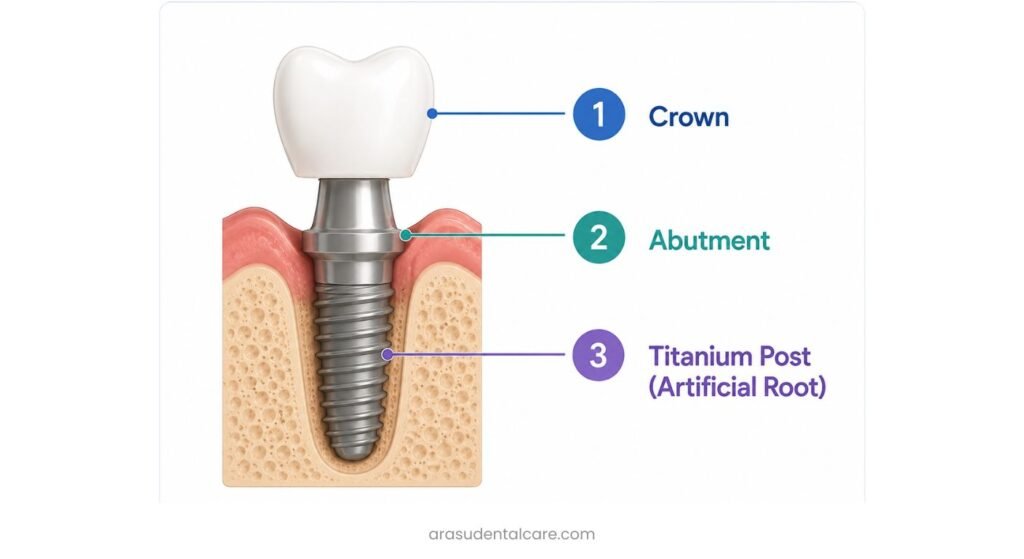
A dental implant in coimbatore is a permanent tooth-replacement solution made of three parts that work together:
|
Component |
What It Does |
|
Implant post |
A titanium or ceramic screw placed into the jawbone, acting as an artificial tooth root |
|
Abutment |
A small connector that links the post to the crown above the gumline |
|
Restoration (crown/bridge/denture) |
The visible, natural-looking artificial tooth that sits on top |
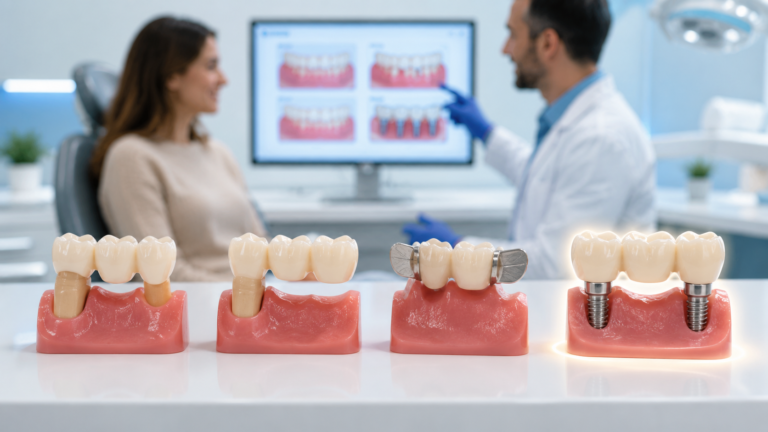
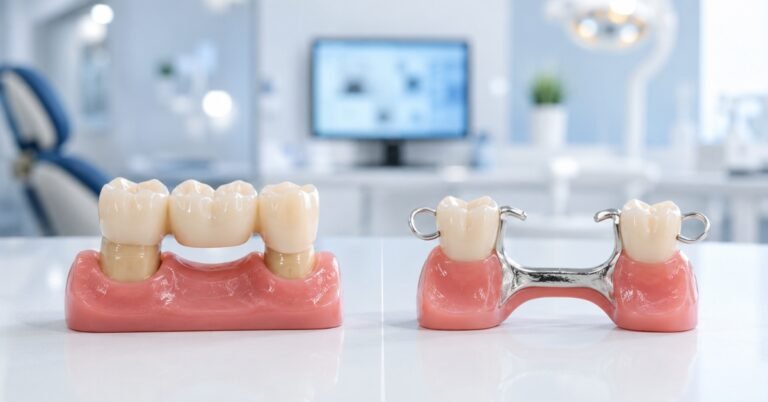
Unlike bridges, implants don’t require shaving down healthy neighbouring teeth. And because the titanium fuses with your jawbone, an implant stays firmly in place — it won’t slip or cause bone loss the way ill-fitting dentures sometimes do.
According to the American Academy of Periodontology, implants are intimately connected to both the soft gum tissue and underlying bone, which is why precise planning matters so much.
Are You a Good Candidate for Dental Implants?
Before any treatment begins, our specialists assess whether implants are the right choice for you. You may be a strong candidate if you:
- Have one or more missing teeth
- Have a jawbone that has finished growing (typically age 18+)
- Have enough healthy bone — or are willing to have a bone graft
- Have healthy gums free of active infection
- Maintain good oral hygiene
- Do not smoke, or are willing to stop during healing
Certain conditions — such as uncontrolled diabetes, active gum disease, or significant bone loss — may need to be addressed first. This doesn’t mean implants are off the table; it simply means we’ll create a plan that prepares your mouth for the best long-term outcome.
This is exactly why a personalised evaluation matters. After examining your condition, we’ll explain the available options and help you choose the treatment that genuinely suits your needs.
The Dental Implant Procedure: Step-by-Step
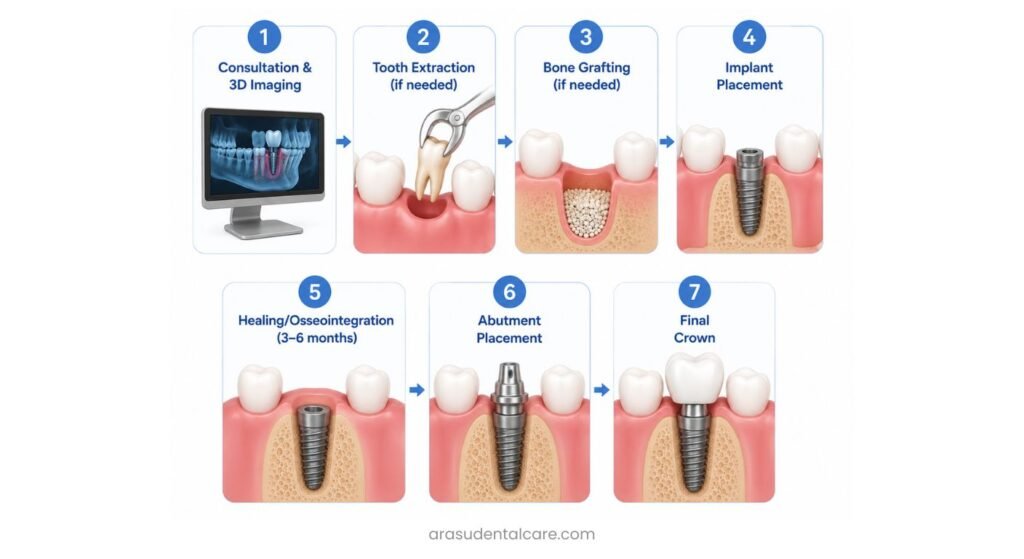
Dental implant treatment is usually performed in stages, with healing time between each one. While the overall journey can span several months, most of that time is simply your body doing its natural work — growing new bone around the implant.
Here’s the complete process broken down clearly.
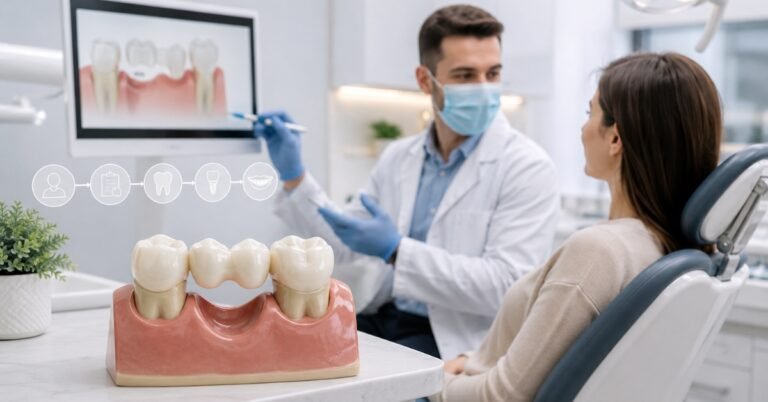
Step 1: Consultation, Imaging & Treatment Planning
Your journey begins with a thorough evaluation. We take digital X-rays and 3D imaging (CBCT scans) to assess your jawbone’s shape, density, and the position of nearby nerves and sinuses.
We also review your full medical history, including any medications or health conditions, since these can influence healing. From this, we build a personalised treatment plan — including how many teeth need replacing and whether any preparatory steps are required.
This planning stage is one of the most important. A well-planned implant is a predictable implant.
Step 2: Tooth Extraction (If Needed)
If the damaged tooth is still present, it may need to be removed first. This is performed comfortably under appropriate anaesthesia. In some cases, an implant can be placed immediately into the extraction socket — your specialist will tell you whether this is suitable for your situation.
Step 3: Bone Grafting (Only When Required)
Your jawbone needs to be strong enough to support the implant. If it’s too thin or soft — often due to long-term tooth loss or gum disease — a bone graft may be recommended to build a solid foundation.
Bone graft options include:
|
Graft Type |
Source |
|
Autogenous |
Bone from another site in your own body |
|
Allograft |
Processed bone from a human donor bank |
|
Xenograft |
Bone from an animal source (commonly bovine) |
|
Alloplast |
Synthetic, biocompatible bone substitute |
Minor grafting can sometimes be done at the same time as implant placement. Larger grafts may need a few months to heal first. Your specialist will explain which approach fits your case.
Step 4: Placing the Implant
During this minor surgery, your gum is gently opened to expose the bone. Your surgeon then prepares a precise channel in the jawbone and places the titanium implant post deep into it, where your tooth root used to be.
The area is numbed throughout, and sedation dentistry is available for patients who feel anxious. After placement, the gum is closed with stitches. If the gap is visible when you smile, a temporary tooth can be fitted so you’re never without a complete smile.
Step 5: Healing & Osseointegration
This is the stage that takes the most time — and it’s entirely natural. Osseointegration is the process where your jawbone gradually fuses with the surface of the implant, locking it firmly in place.
This healing typically takes three to six months, sometimes longer, depending on your body and bone quality. While you wait, you can continue your daily life normally. This biological fusion is what gives implants their remarkable strength and longevity.
Step 6: Placing the Abutment
Once your implant has fully integrated, a small connector called the abutment is attached. This is a minor procedure done under local anaesthesia. In some cases, the abutment is placed at the same time as the implant, removing the need for an extra step.
Your gums then heal around the abutment for about two weeks before the final tooth is fitted.
Step 7: Fitting Your New Tooth (The Restoration)
Finally, the moment you’ve been waiting for. We take impressions of your mouth to create a custom crown, bridge, or denture that matches your natural teeth in shape, size, and colour.
Your restoration can be:
- Fixed — permanently screwed or cemented in place, just like a natural tooth
- Removable — snaps securely onto the abutment and can be taken out for cleaning
Once fitted, we check your bite carefully to ensure everything feels comfortable and natural.
How Long Does the Whole Process Take?
The complete dental implant procedure can take anywhere from 3 to 9 months, occasionally longer if bone grafting is involved. Most of that time is healing, not treatment.
Here’s a realistic overview:
|
Stage |
Approximate Timeframe |
|
Consultation & planning |
1–2 visits |
|
Bone graft healing (if needed) |
3–6 months |
|
Implant placement |
1 appointment |
|
Osseointegration |
3–6 months |
|
Abutment + healing |
~2 weeks |
|
Final restoration |
1–2 visits |
While this may sound lengthy, remember that the result is designed to last a lifetime with proper care — far longer than most alternatives.
Is the Dental Implant Procedure Painful?
This is the question we hear most often, and it’s a fair one. The procedure itself is performed under appropriate anaesthesia, so you shouldn’t feel pain during placement.
Afterwards, it’s normal to experience mild, manageable symptoms for a few days:
- Slight swelling of the gums and face
- Minor bruising
- Tenderness at the implant site
- Small amounts of bleeding
These usually settle quickly and respond well to over-the-counter pain relief or any medication your dentist prescribes. For nervous patients or longer procedures, sedation options help ensure a calm, comfortable experience from start to finish.
If discomfort worsens rather than improves over the following days, contact your dental team promptly.
Risks and How We Minimise Them
Like any surgical treatment, implants carry small risks — but these are uncommon, especially when an experienced specialist performs the procedure. According to the U.S. Food and Drug Administration, possible complications include:
- Infection at the implant site
- Nerve injury causing numbness or tingling
- Sinus issues (for upper-jaw implants)
- Damage to nearby teeth or tissues
- Implant failure if the bone doesn’t fuse properly
The good news: thorough 3D planning, sterile surgical protocols, and careful technique dramatically reduce these risks. Choosing experienced implantologists is one of the most important decisions you can make for a predictable outcome.
Caring for Your Dental Implant
A dental implant can last decades — even a lifetime — with the right care. Research published via the National Library of Medicine reports implant success rates above 97% over 10 years when properly maintained.
To protect your investment:
- Brush and floss daily, including around the implant and gumline
- Use an interdental brush to clean hard-to-reach spaces
- Attend regular check-ups so we can monitor your implant’s health
- Avoid chewing very hard items like ice that could damage your crown
- Avoid tobacco, which significantly affects healing and long-term success
Think of your implant as you would a natural tooth — it deserves the same consistent care.
Frequently Asked Questions
1. How long does a dental implant last?With good oral hygiene and regular dental visits, the implant post can last a lifetime. The crown on top may need replacing after around 15 years due to normal wear.
2. Will my dental implant look natural?Yes. Your crown is custom-made to match the shape, size, and colour of your surrounding teeth, so it blends in seamlessly.
3. Can I get an implant if I’ve lost bone in my jaw?Often, yes. A bone graft or specialised techniques like basal implants can rebuild or work around compromised bone. A 3D scan will confirm what’s possible for you.
4. How soon can I eat normally after the procedure?You’ll need soft foods for a few days after each surgical stage. Once your final restoration is fitted and your jaw has healed, you can eat normally.
5. Is there an age limit for dental implants?There’s no upper age limit — many older adults are excellent candidates. The main requirement is healthy bone and gums. Implants are generally not placed before age 18, as the jaw must finish growing.
6. What happens if the implant doesn’t fuse with the bone?This is rare. If it occurs, the implant is gently removed, the area is allowed to heal, and the proc