How to Choose the Right Cosmetic Dentist
Your smile is often the first thing people notice — and when you decide to enhance it, the single most important decision you’ll make is how to choose a cosmetic dentist who truly understands your goals. The right cosmetic dentist doesn’t just whiten or reshape teeth; they study your face, your bite, and your personality to deliver a result that looks natural and lasts for years.
The challenge? In India, cosmetic dentistry isn’t a separately recognised dental specialty, which means almost any dentist can describe themselves as a “cosmetic dentist.” That makes informed, careful evaluation essential.
At Arasu Dental Care, we believe patients deserve clarity, not pressure. This guide walks you through exactly what to look for, what questions to ask, and how to make a confident, informed decision about your smile.
Why Choosing the Right Cosmetic Dentist Matters
Cosmetic dentistry is a blend of clinical science and artistry. While the procedures may sound simple — veneers, whitening, bonding, smile design — the difference between an average result and a beautiful, long-lasting one comes down to the dentist’s skill, planning, and aesthetic judgement.
Here’s why your choice carries so much weight:
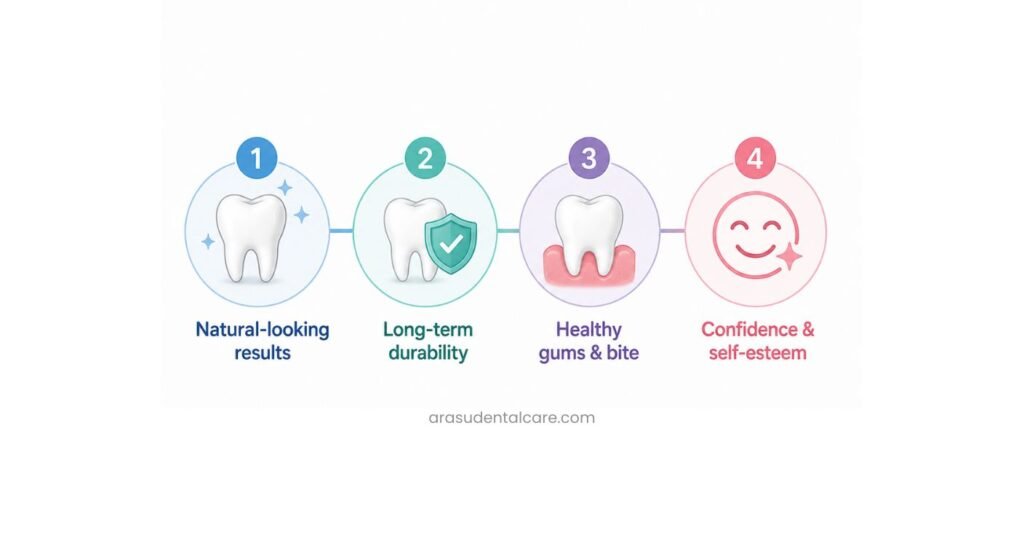
- Cosmetic treatments directly affect your appearance, confidence, and self-esteem.
- Results need to look natural, symmetrical, and proportionate to your face.
- Poorly planned makeovers can cause gum irritation, tooth sensitivity, bite problems, or mismatched shades.
- Corrective or “redo” treatments often cost more than getting it right the first time.
A skilled cosmetic dentist focuses on predictable outcomes — not flashy promises — so your transformation feels both safe and seamless.
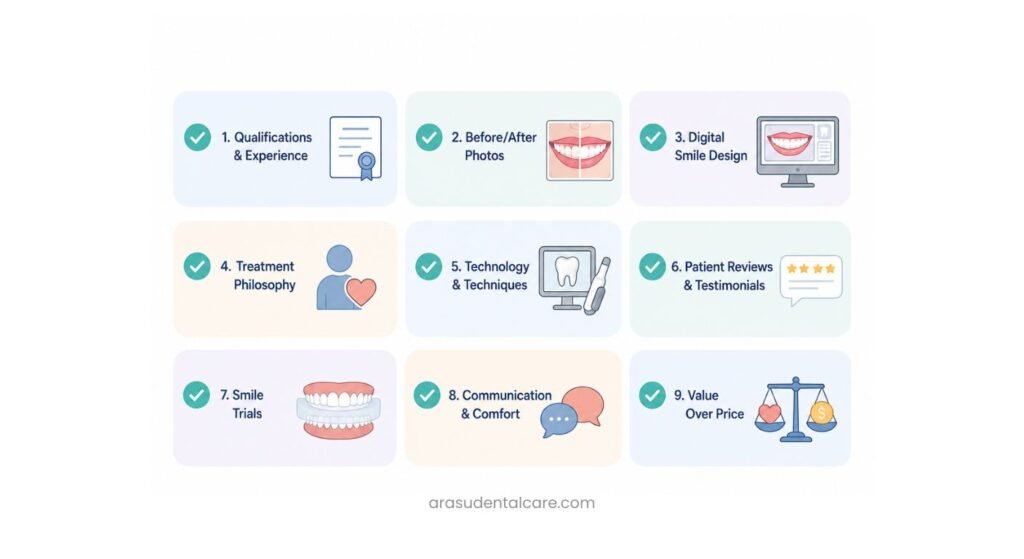
How to Choose a Cosmetic Dentist: 9 Key Factors to Evaluate
Below are the most important things to assess before committing to any cosmetic dental treatment.
1. Verify Qualifications and Specialised Training
Since cosmetic dentistry isn’t an official MDS specialty, training and credentials matter even more. Look for dentists who hold relevant postgraduate qualifications in disciplines that overlap with aesthetics — such as Conservative Dentistry & Endodontics, Prosthodontics, or Orthodontics — along with focused training in smile design.
Helpful credentials to look for:
- MDS in a relevant aesthetic discipline
- Certified training in smile design or digital smile planning
- Fellowships or memberships with recognised dental bodies
- Documented experience handling smile-makeover cases
For context on what cosmetic procedures actually involve, the American Dental Association is a reliable, neutral resource.
2. Review Real Before-and-After Results
A genuine portfolio of before-and-after photographs is one of the most honest indicators of a dentist’s skill. Don’t just glance — study them.
Pay attention to:
✔ Natural shape, size, and proportion of teeth✔ Symmetry and a consistent gum line✔ Accurate shade matching✔ Results that suit the patient’s face — not a “one-size-fits-all” look
If every smile in the gallery looks identical, the dentist may not be customising treatment to each individual.
3. Check Expertise in Digital Smile Design (DSD)
Modern cosmetic dentistry increasingly uses Digital Smile Design — a planning method that uses photographs, facial analysis, and 3D software to preview your new smile before treatment begins.
The benefits of working with a DSD-skilled dentist:
- You can visualise your results in advance
- The design is personalised to your face, lips, and proportions
- Communication between you, the dentist, and the lab improves
- Outcomes become more predictable and accurate
This preview-first approach removes much of the guesswork from a smile makeover.
4. Understand Their Treatment Philosophy
A consultation tells you a lot. The best cosmetic dentists listen more than they speak and ask about you — your lifestyle, your expectations, and how you want your smile to feel.
During your visit, notice whether the dentist:
- Asks about your goals and concerns
- Explains options clearly, without jargon
- Aims for natural results rather than overly “perfect” ones
- Designs a smile that fits you, not a template
A dentist who genuinely understands your vision is far more likely to deliver a result you’ll love.
5. Assess Technology and Clinic Infrastructure
High-quality cosmetic outcomes depend on modern tools and a well-equipped clinic. While technology alone doesn’t guarantee great results, it supports precision, comfort, and durability.
Look for clinics that use:
|
Technology |
What It Helps With |
|
Digital X-rays |
Lower radiation, instant diagnostics |
|
Intraoral scanners |
Accurate, comfortable digital impressions |
|
3D imaging |
Precise planning for complex cases |
|
Laser dentistry |
Gum contouring with minimal discomfort |
|
Shade-matching tools |
Natural, consistent tooth colour |
|
Quality dental lab support |
Lifelike veneers and crowns |
6. Read Patient Reviews and Testimonials
Patient feedback offers a window into both results and experience. Look beyond star ratings and read what patients say about:
- Comfort during procedures
- The dentist’s communication style
- Hygiene and clinic standards
- Long-term satisfaction with results
Video testimonials are especially valuable — they let you see real outcomes, not edited images.
7. Ask About Smile Trials, Mock-ups, and Previews
Before committing to permanent veneers or crowns, you should be able to preview your new smile. Reputable cosmetic dentists offer mock-ups, temporary trials, or digital simulations so you feel confident the final result will match your expectations.
8. Prioritise Communication and Comfort
Cosmetic treatment is a journey, not a single appointment. A dentist who explains each step, discusses options for different budgets, and respects your concerns makes the entire experience far less stressful.
This matters especially if you feel anxious. Ask whether the clinic offers sedation options and a comfort-first approach for longer procedures.
9. Don’t Choose Based on Price Alone
It’s tempting to pick the cheapest option, but cosmetic dentistry is an investment in your long-term confidence and dental health. Very low-cost work can lead to:
- Sensitivity
- Chipping or staining
- Gum recession
- Dark margins around veneers
Instead of “cheapest,” think comfortable, durable, and well-made. Transparent pricing — where you understand exactly what’s included — is a far better sign of a trustworthy clinic than a rock-bottom quote.
Common Cosmetic Dental Treatments to Understand
Knowing the basics helps you communicate better with your dentist and ask sharper questions during your consultation.
|
Treatment |
Best For |
Key Point |
|
Teeth Whitening |
Stains from coffee, tea, smoking |
Quick, non-invasive; needs touch-ups |
|
Veneers |
Chips, gaps, discolouration, shape |
Porcelain is durable and natural-looking |
|
Composite Bonding |
Minor chips and small gaps |
Affordable; may stain over time |
|
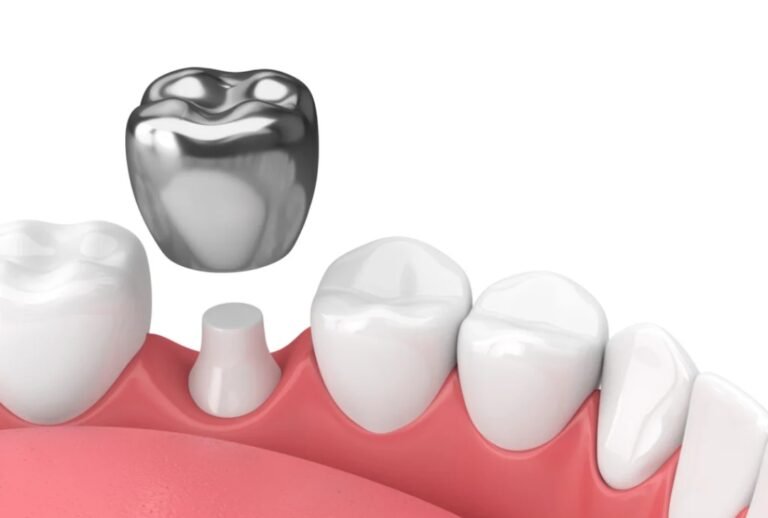
Ceramic Crowns |
Damaged or weakened teeth |
Restores both look and function |
|
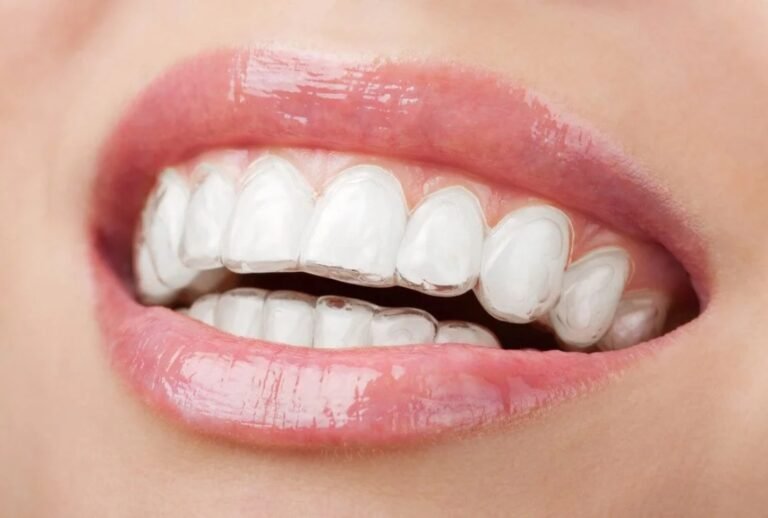
Clear Aligners |
Mild to moderate misalignment |
Discreet alternative to braces |
|
Gum Contouring |
Gummy smiles, uneven gum line |
Often done with laser for comfort |
|
Smile Design / Makeover |
Complete transformation |
Combines multiple treatments |
For trustworthy, patient-friendly information on individual procedures, WebMD’s Oral Care guide and the National Health Service (NHS) offer balanced overviews.
How to Evaluate a Cosmetic Dentist Step-by-Step
Use this simple process to make your decision easier:
Step 1 — Shortlist: Gather 2–3 clinics through referrals, online reviews, and credentials.
Step 2 — Research credentials: Confirm qualifications, training, and relevant experience.
Step 3 — Review portfolios: Study before-and-after photos for natural, varied results.
Step 4 — Book a consultation: Assess communication, listening, and proposed treatment plan.
Step 5 — Ask for a preview: Request a mock-up or digital simulation where possible.
Step 6 — Understand the costs: Get a transparent breakdown of fees, materials, and follow-ups.
Step 7 — Decide with confidence: Choose the dentist who balances expertise, comfort, and clear communication.
Red Flags to Watch Out For
Even a polished website can hide problems. Be cautious if you notice:
- No before-and-after photos or hidden credentials
- Pressure to commit immediately or unnecessary upselling
- “Social media” veneers at suspiciously low prices
- Vague pricing with hidden costs
- Poor hygiene or no clear follow-up plan
- Absolute “guarantees” of a perfect smile
A trustworthy clinic offers predictable outcomes, honest discussions, and time to make your decision.
Frequently Asked Questions (FAQs)
1. What qualifications should a cosmetic dentist have?Look for relevant postgraduate training (such as MDS in Conservative Dentistry, Prosthodontics, or Orthodontics), focused smile-design training, and documented experience with cosmetic cases. Since cosmetic dentistry isn’t a formal specialty, real credentials and a strong portfolio matter most.
2. How do I know if a cosmetic dentist is experienced enough?Ask to see before-and-after photos of cases similar to yours. If the dentist can show varied, natural-looking results for your specific concern — and explain their approach clearly — that’s a strong sign of genuine experience.
3. Is choosing a cosmetic dentist based on price a good idea?No. Very low prices can mean lower-quality materials or rushed work, which often leads to expensive corrections later. Prioritise durability, comfort, and transparent pricing over the lowest quote.
4. What is Digital Smile Design (DSD)?DSD is a planning method that uses photographs, facial analysis, and 3D software to design and preview your new smile before treatment begins. It improves accuracy, communication, and the predictability of your final result.
5. Are cosmetic dental treatments comfortable?Most cosmetic procedures are minimally invasive and performed under appropriate anaesthesia when needed. A comfort-first clinic with sedation options can make the experience smooth, especially for anxious patients.
6. Will my smile look natural after cosmetic dentistry?Yes — with a skilled cosmetic dentist. Natural results come from careful attention to tooth shape, proportion, shade, and how the smile suits your face. This is exactly why evaluating a dentist’s portfolio is so important.
7. How long do veneers last?Porcelain veneers can last 10–15 years or longer with good care, while composite veneers typically last around 5–7 years. Regular check-ups, good oral hygiene, and avoiding habits like nail-biting help extend their lifespan.
8. Can a cosmetic dentist fix crooked teeth?Yes. Depending on severity, options include clear aligners, veneers, or a combination of orthodontic and cosmetic treatments. A multispecialty clinic can recommend the most suitable approach for your case.
9. How many consultations should I do before deciding?There’s no fixed number, but visiting 2–3 clinics helps you compare communication styles, treatment plans, and pricing. The goal is to feel informed and confident — never rushed.
Final Thoughts: Choose Confidence, Not Just a Clinic
Choosing the right cosmetic dentist comes down to a balance of expertise, artistry, technology, and genuine care. Take the time to check qualifications, study real results, ask thoughtful questions, and prioritise a dentist who listens and explains your options honestly.
Remember: the best cosmetic dentist isn’t the one with the flashiest promises — it’s the one who understands your goals and works toward safe, natural, predictable outcomes.
At Arasu Dental Care, our multispecialty team — including experienced specialists in cosmetic dentistry, smile design, and orthodontics — combines advanced techniques with a patient-first, transparent approach. We help you understand all your options so you can make a confident, informed decision about your smile.
📞 Ready to explore your smile makeover? Book a consultation at Arasu Dental Care, Coimbatore (R.S. Puram & Saibaba Colony). Open all seven days, 10:00 AM – 8:30 PM. Call +91 88380 22157 or WhatsApp +91 96007 56297 — and let’s plan a smile you’ll feel confident about.